When Shepherds Become Merchants: A Call for Integrity in Ghana's Churches
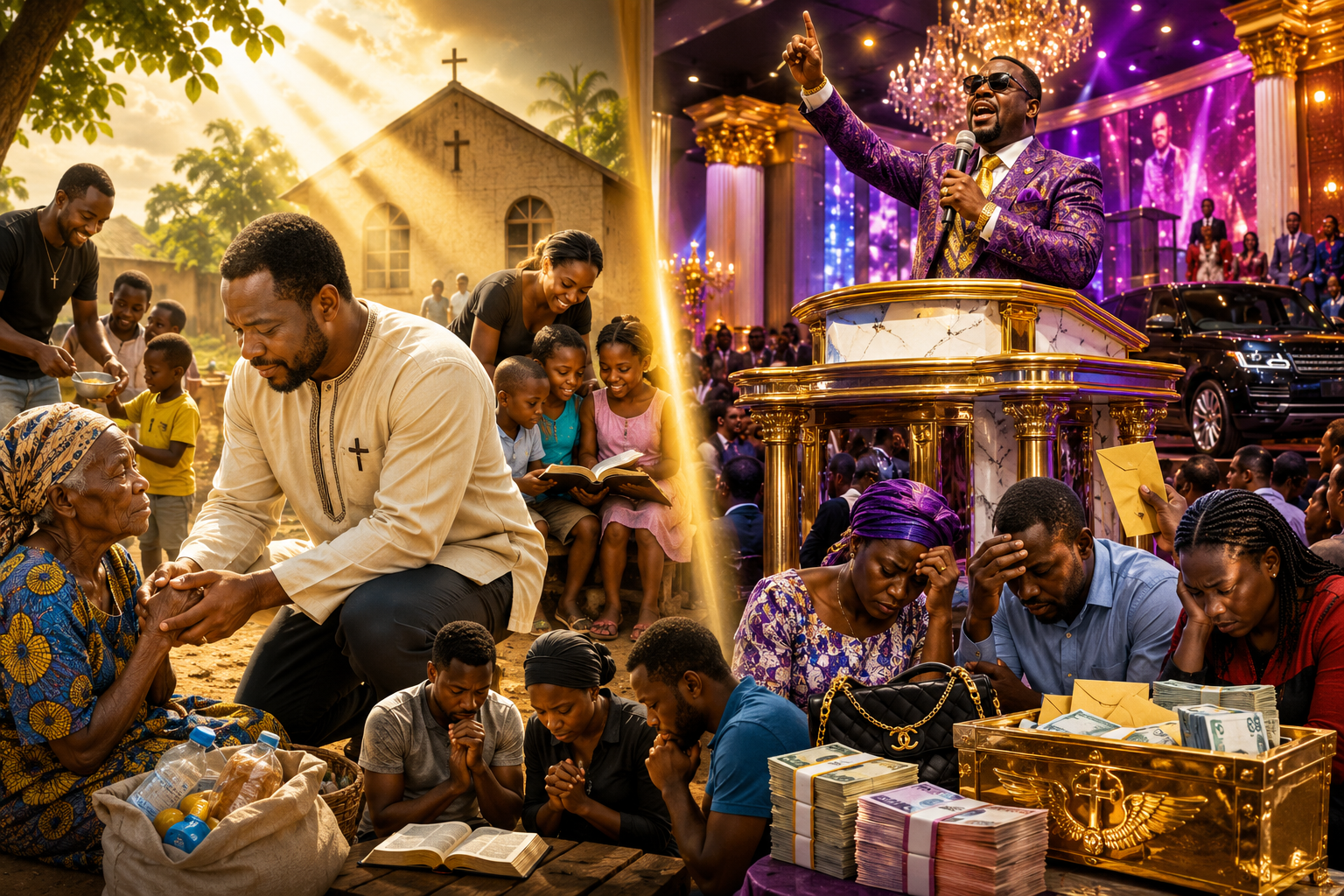
For generations, Ghana has been blessed with devoted pastors, evangelists, prophets, missionaries and Christian workers who sacrificed their comfort to spread the Gospel of Jesus Christ. Many travelled from village to village, often with very little, preaching hope, healing broken lives, strengthening families and leading countless people to faith. Their work helped transform communities, encouraged honesty, inspired forgiveness and brought light into places that had long been overwhelmed by fear, hatred and despair.
Many of these men and women served quietly. They did not seek fame or wealth. They measured success not by the size of their buildings or bank accounts, but by the lives that were changed through the love of Christ. Ghana owes much to these faithful servants.
Yet alongside these genuine ministers has emerged another troubling reality. Some individuals have turned the ministry into a business whose primary purpose appears to be personal enrichment rather than service to God. They speak constantly about prosperity while placing heavy financial demands upon ordinary church members who are themselves struggling to survive.
Some congregants are encouraged to give repeatedly through tithes, offerings, harvest contributions, special seeds, pledges and countless fundraising exercises. While generosity has always been part of Christian worship, giving should never become a burden that leaves families unable to meet their basic needs. A church should never pressure people into giving beyond their means or make them believe that God's love can be purchased with money.
Sadly, some believers feel compelled to maintain appearances or satisfy expectations despite financial hardship. When religious pressure contributes to poor financial decisions or encourages unethical behaviour in the pursuit of money, something has gone seriously wrong. The Gospel of Christ should free people from unnecessary burdens, not create new ones.
There is also growing concern about the increasing emphasis on expensive buildings, luxurious lifestyles and personal status. Beautiful places of worship are not wrong in themselves, but the true Church is ultimately made up of people, not concrete and glass. A ministry that spends more energy displaying wealth than serving widows, caring for the poor, educating children and helping struggling families risks losing sight of Christ's example.
Jesus consistently taught humility, sacrifice and service. He warned against those who use religion for personal gain. He identified with the poor, welcomed the forgotten and challenged religious leaders whose outward appearance concealed inward corruption. The New Testament presents leadership as an act of service rather than domination.
None of this should diminish the many faithful pastors across Ghana who continue to serve with integrity. Every day, sincere ministers pray with the sick, counsel troubled families, mentor young people, care for vulnerable members of society and preach the Gospel with genuine love. They deserve gratitude, encouragement and respect. They should never be judged by the failures of those who misuse the pulpit.
At the same time, churches must be willing to examine themselves honestly. Spiritual accountability is not an attack on Christianity; it is part of preserving its credibility. Congregations should ask questions, expect transparency in financial matters and support leaders who demonstrate humility, honesty and faithful stewardship.
The future of Christianity in Ghana will not depend upon who builds the largest auditorium or attracts the biggest crowds. It will depend upon whether churches reflect the character of Christ. People are increasingly able to distinguish between authentic spiritual leadership and religious performance. Trust cannot be demanded; it must be earned.
If the Church is to remain a powerful force for good in Ghana, it must continually return to the teachings of Jesus Christ. The Gospel is about salvation, truth, compassion, justice and love. It is not a business model or a pathway to personal luxury.
There is reason for hope. Throughout history, whenever faith has drifted from its foundations, God has raised up men and women of integrity to restore its purpose. The same can happen again. As people become better informed and spiritually discerning, ministries built upon service, humility and genuine love will continue to flourish, while those sustained primarily by manipulation and greed will find it increasingly difficult to retain the trust of the people.
The Church in Ghana has given this nation much to celebrate. Its future will be brightest when its leaders remember that the greatest among them are those who serve.
Reader's Question
Do you believe Ghana's churches today are moving closer to the example of Christ, or do you think financial pressures and personal ambition are weakening the Church's witness? Why?