The Proposed Ghanafo Compact
The Ghanafo Compact is a proposed 25-year national development plan to mobilise and invest at least GH₵5 trillion in Ghana’s economy to create jobs, raise incomes and improve everyday life.
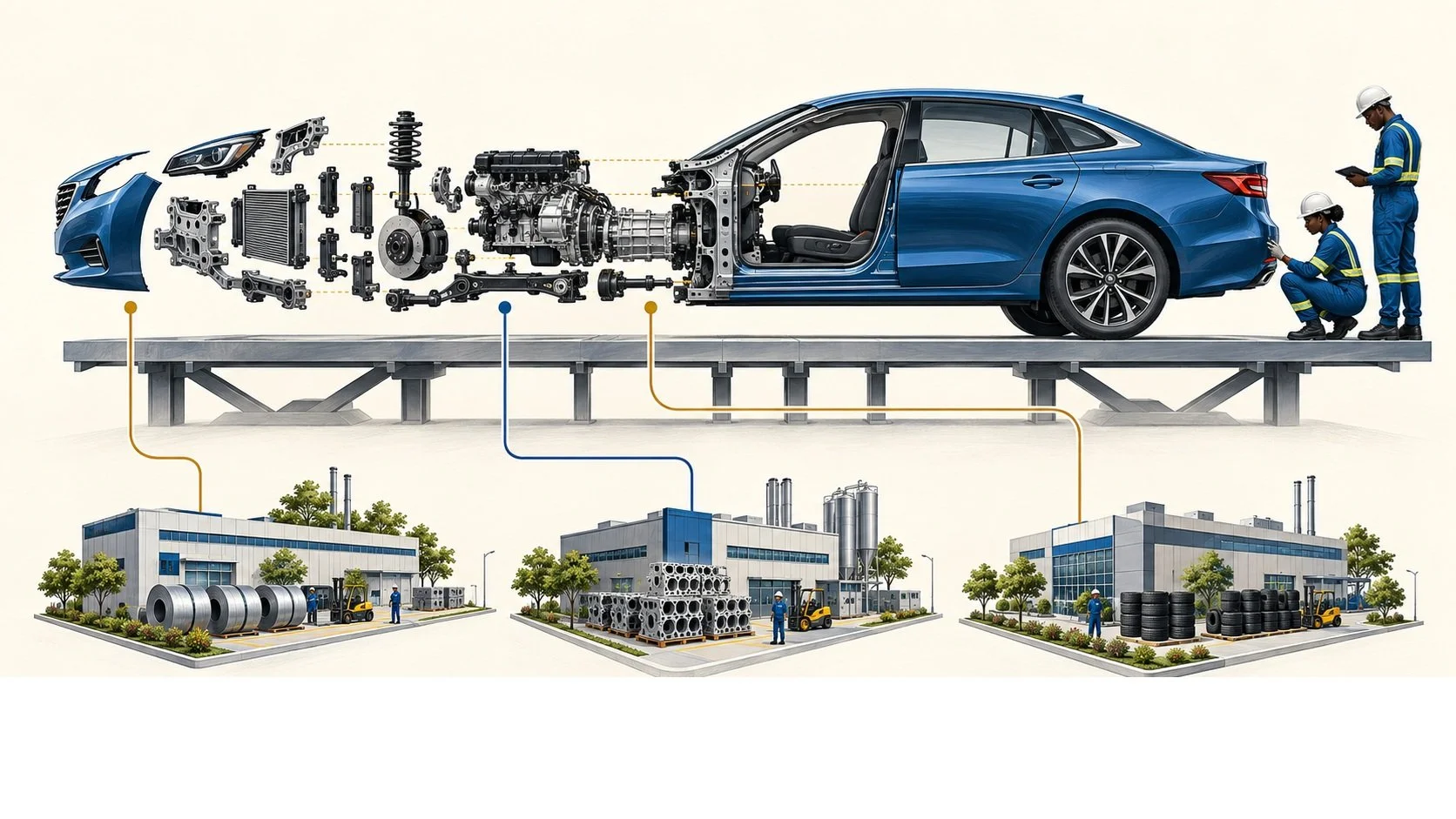
Ghana’s New Car Plants Should Help Build a Parts Industry
Zonda Tec’s new assembly investment offers Ghana an opportunity to attract dedicated automotive component manufacturers. Technical partnerships, dependable orders and competitive production could help turn assembly into a wider industry of factories and skilled jobs.
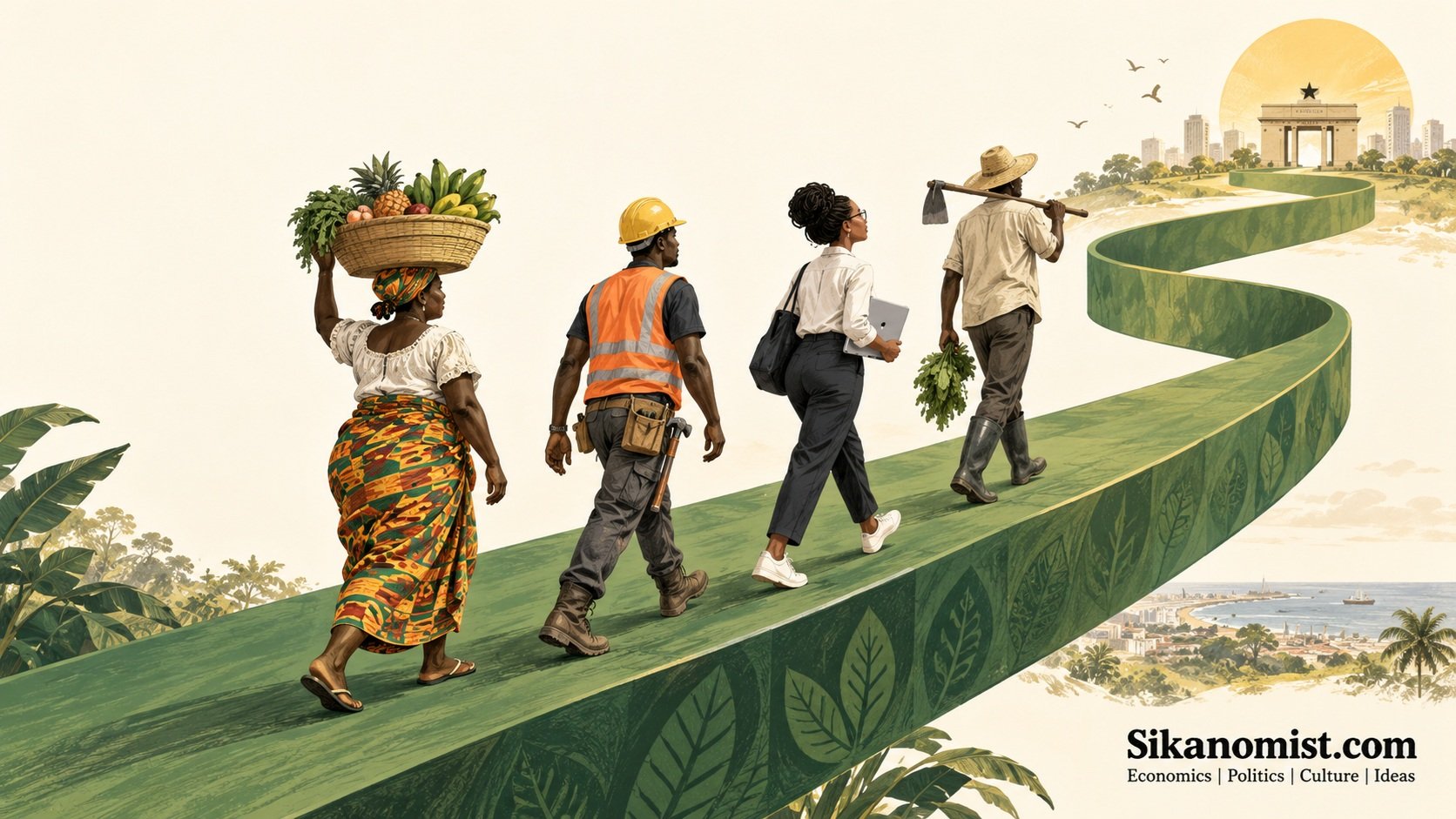
Ghana’s Economy Is Growing. How Can More Ghanaians Grow With It?
Ghana’s economy grew by 6.0% in the second quarter of 2026. Turning that expansion into wider prosperity requires productive jobs, stronger small businesses and investment in food, housing, transport and the everyday needs of people living in Ghana.
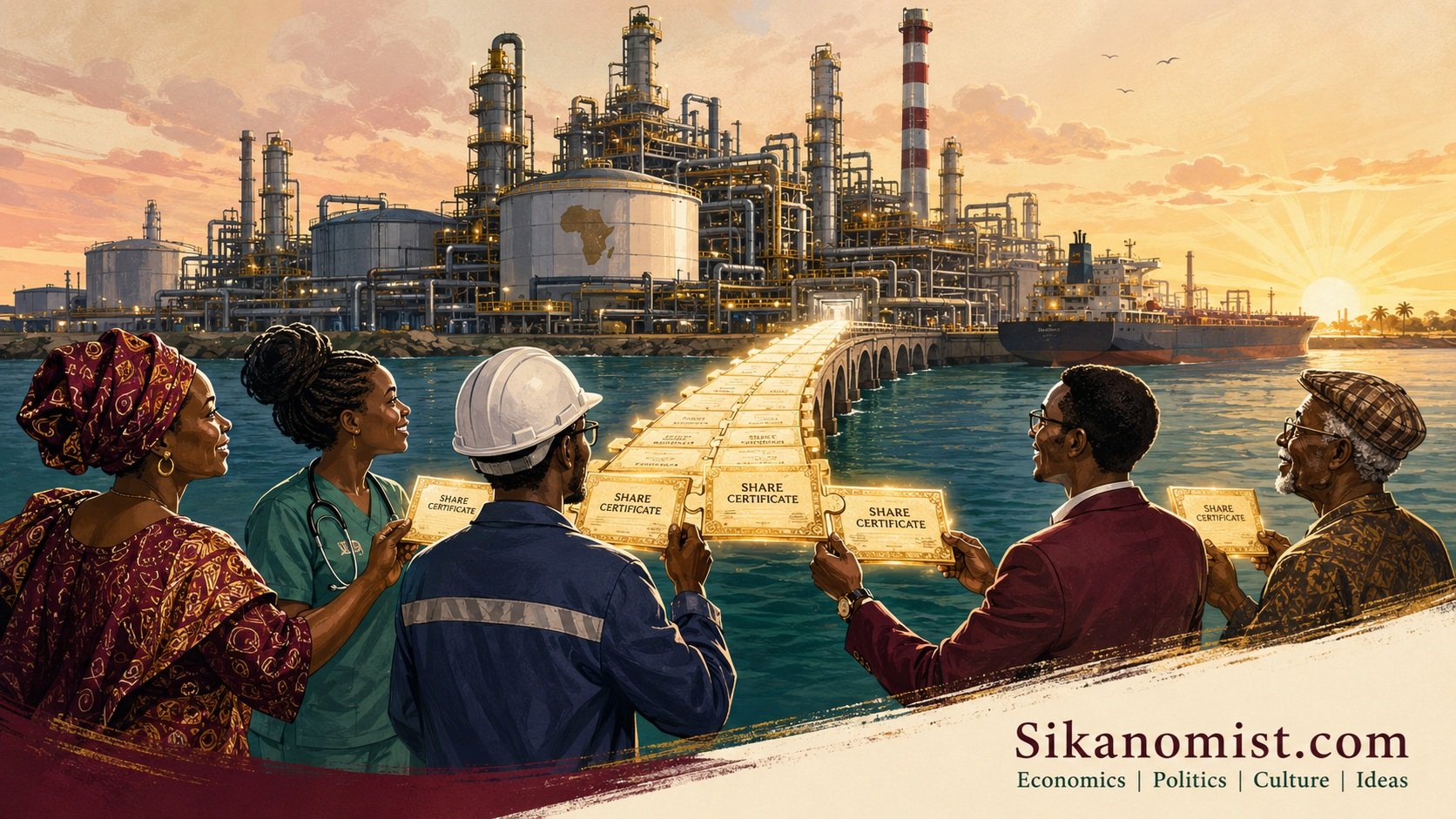
Dangote’s IPO Could Open a New Age of African Industrial Ownership
Dangote Group has demonstrated that African enterprise can build industry on a global scale. Its proposed refinery IPO could now broaden public ownership, mobilise African savings for productive investment and challenge Ghana to build industrial companies that other Africans will also want to own.
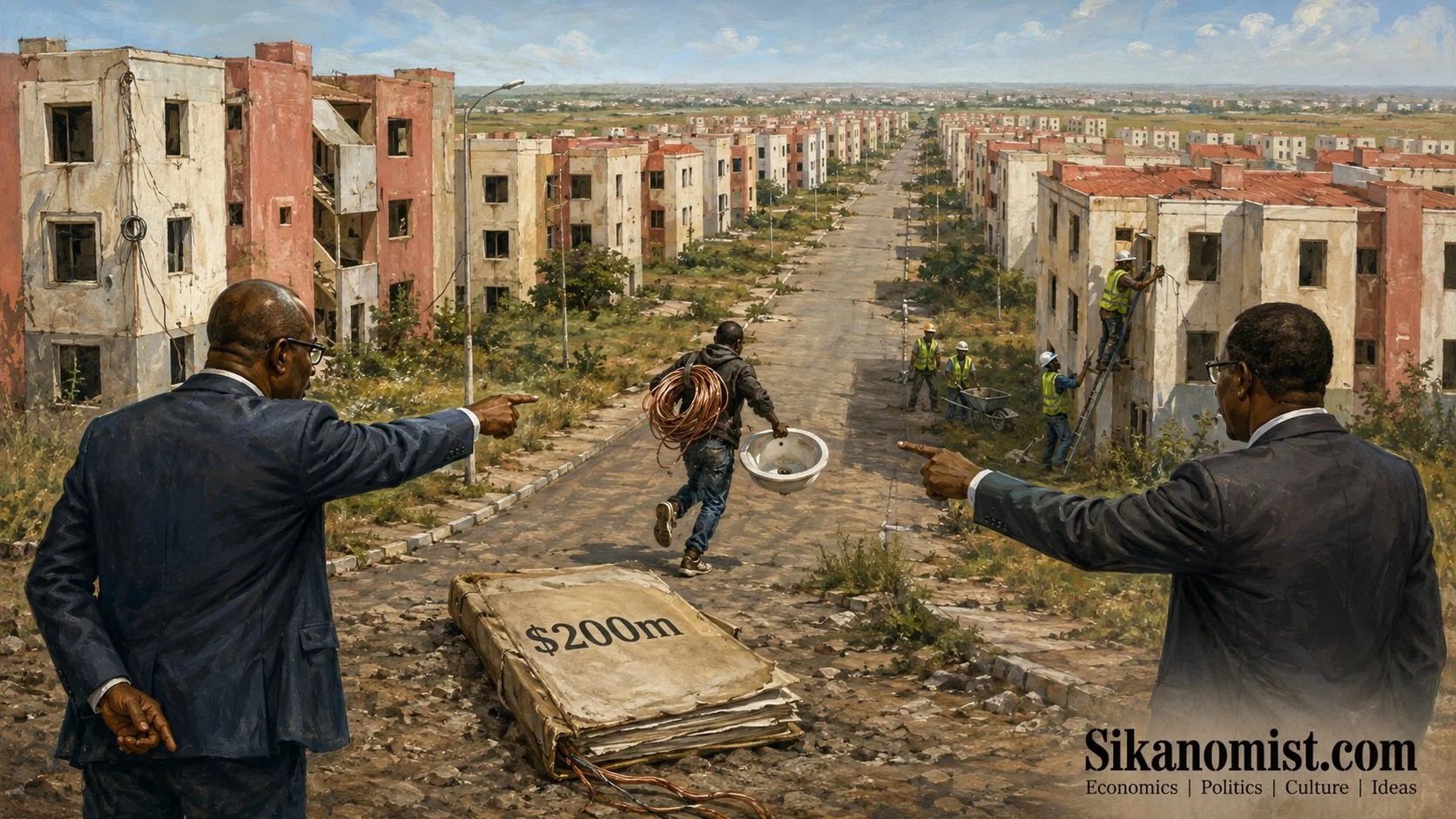
Saglemi and the Blame Game: The State Failed Before the Looters Arrived
Completing Saglemi is welcome, but blaming those who stole fittings cannot conceal the political and administrative failures that left a US$200 million public investment unfinished and exposed. Both NDC and NPP administrations must account for the project, its loan repayments and years of abandonment.
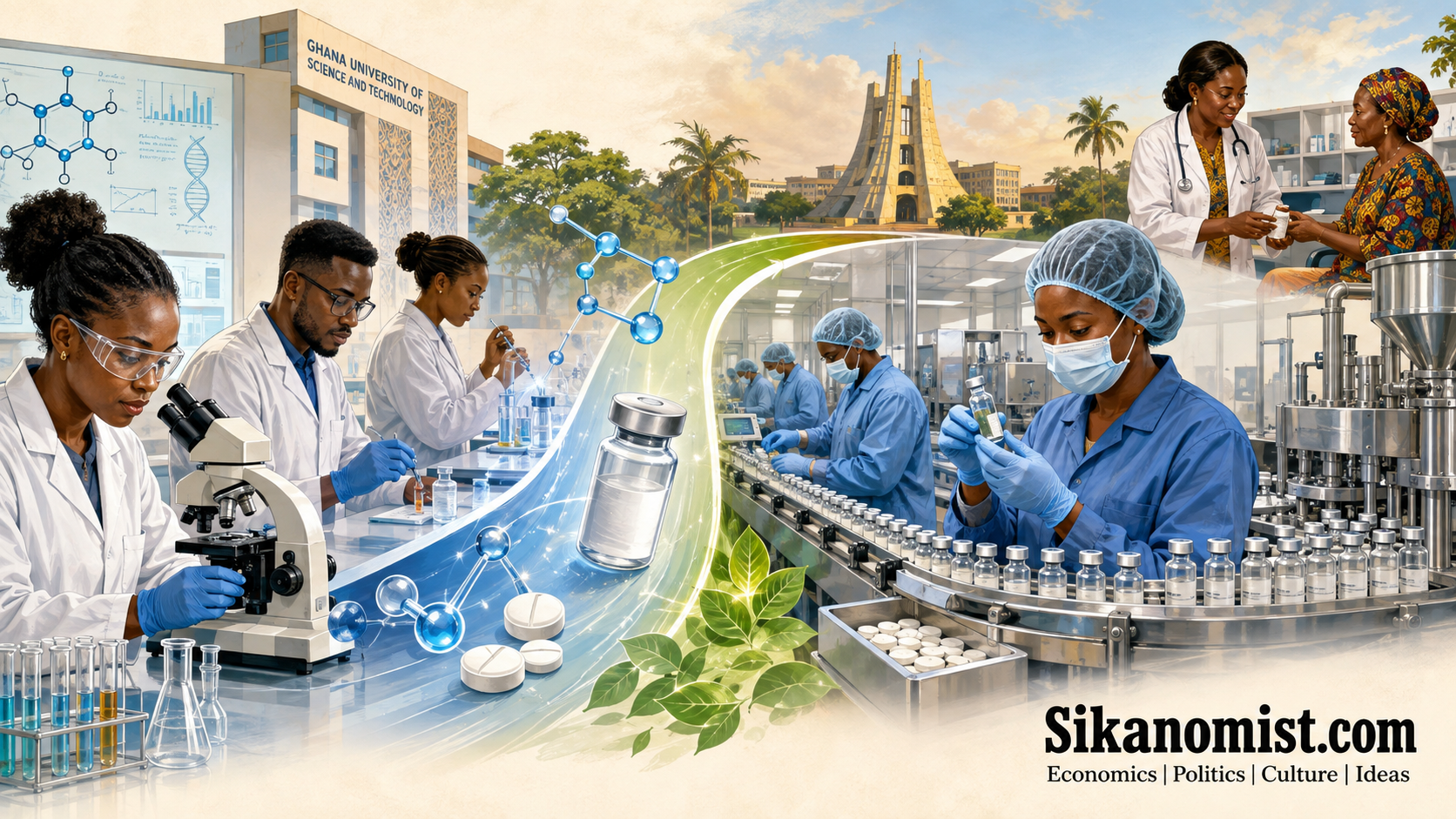
Ghana Must Turn Research into Medicines, Jobs and Industry
Ghana possesses the scientists, universities and pharmaceutical companies needed to solve important health problems. The country must now build a reliable path that turns promising research into approved medicines, competitive factories, skilled employment and better healthcare.
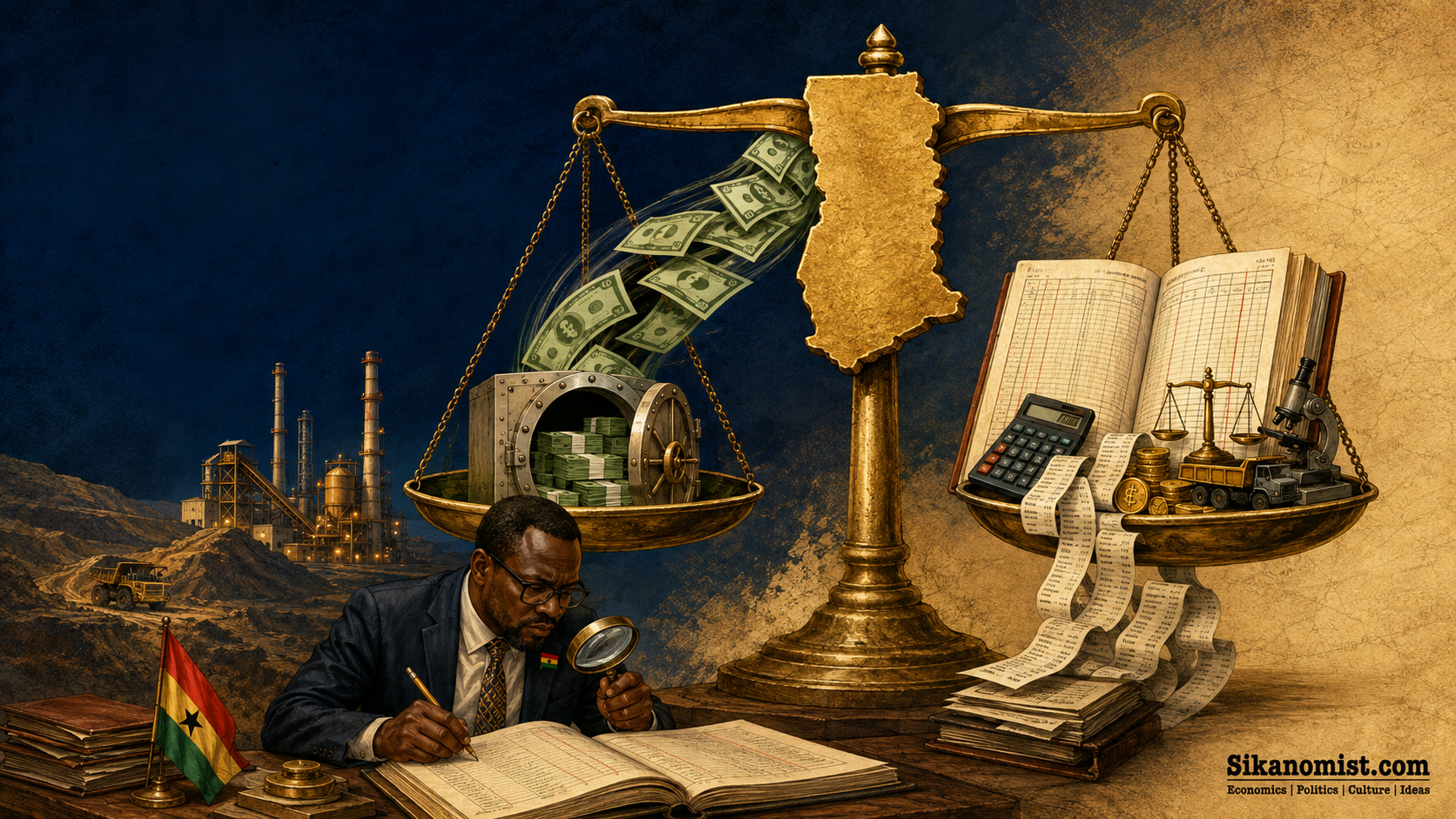
GoldBod Has Brought the Dollars—Now Ghana Must Count the Cost
GoldBod has helped bring more of Ghana’s gold trade and foreign exchange into the formal economy. But export earnings are not profits, GoldBod’s accounts are not the Bank of Ghana’s accounts, and economic stability does not eliminate the need to establish the programme’s complete public cost.
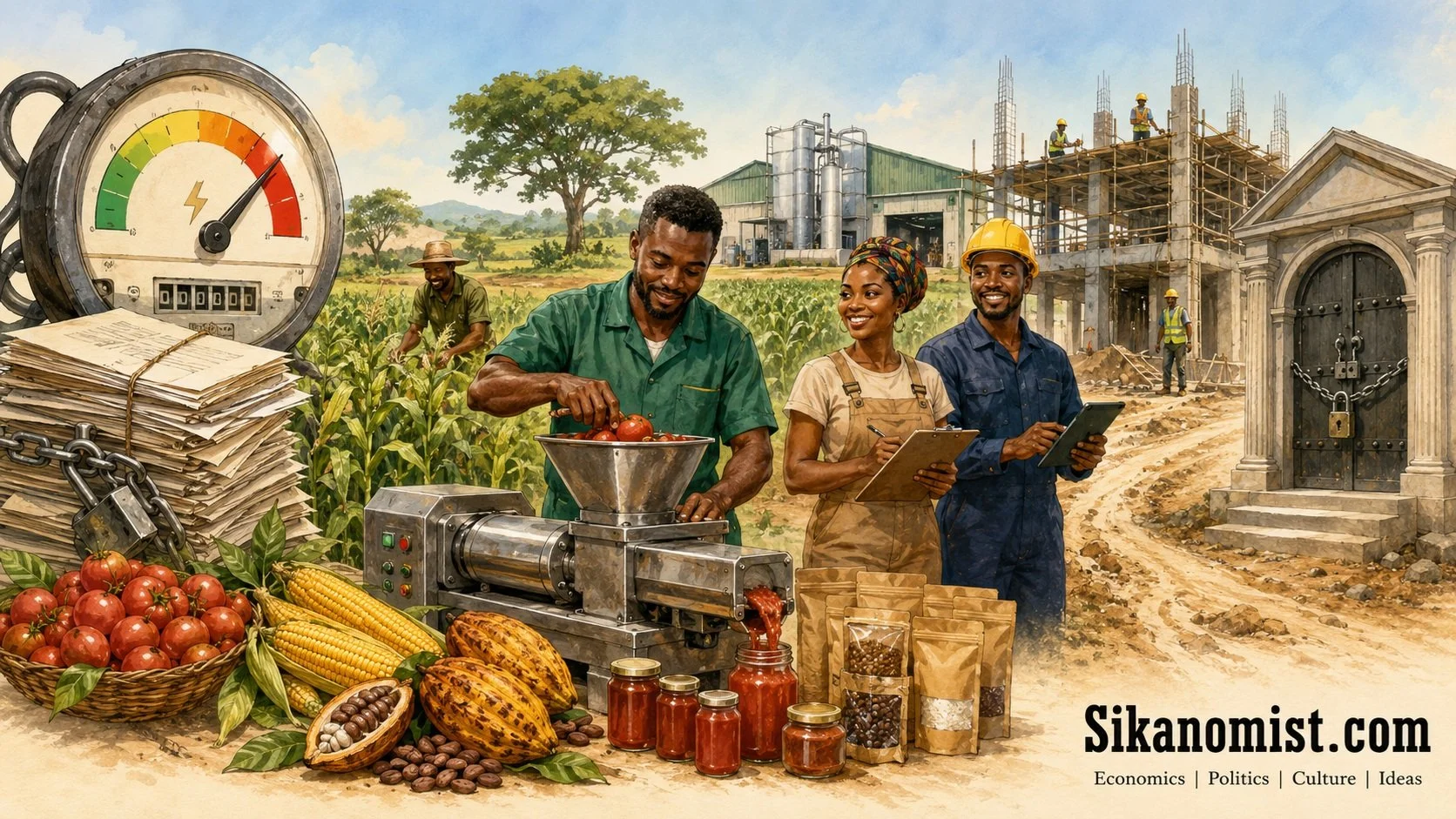
Ghana Cannot Create Jobs While It Remains Expensive to Produce
Ghana’s improving inflation, currency stability and economic indicators are important, but they will mean little unless they reduce the cost of farming, manufacturing and doing business. The country’s next economic test is to transform stability into greater production, stronger businesses and quality employment.
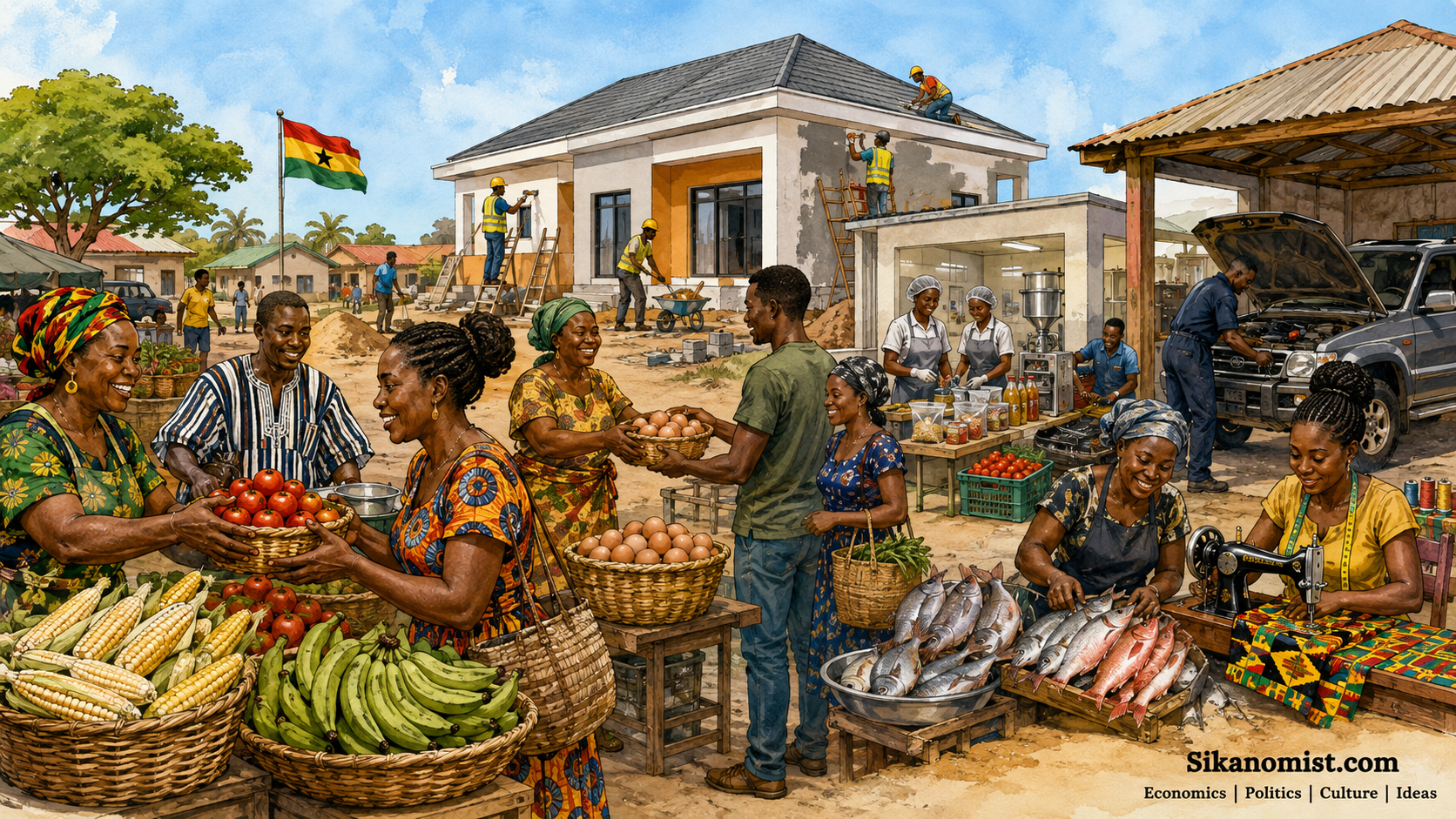
Ghana’s Economy Is More Than What It Exports
Ghana’s exports are important, but they are not the whole economy. The country’s economic strength must also be judged by the homes it builds, the food it produces, the services it provides and the opportunities it creates for everyone living within its borders.
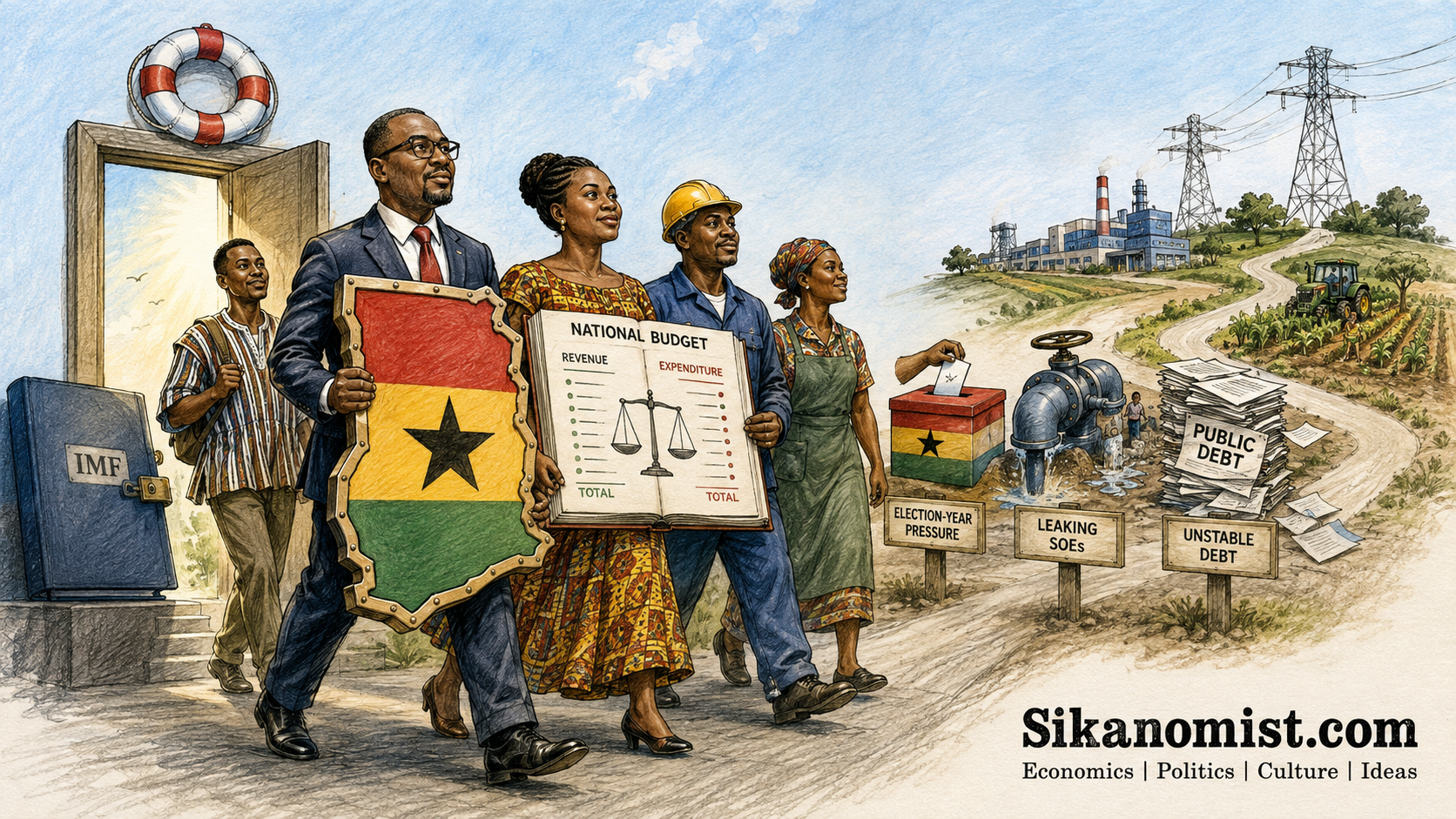
Ghana Has Completed Its IMF Bailout—But the Hardest Test Begins Now
Ghana has completed the final review of its US$3 billion IMF-supported programme after achieving lower inflation, stronger growth, improved reserves and a better debt outlook. But leaving the lending programme does not mean the country has escaped the habits that caused the crisis. The true test is whether Ghana can maintain discipline, protect institutions and create jobs without waiting for another economic emergency.
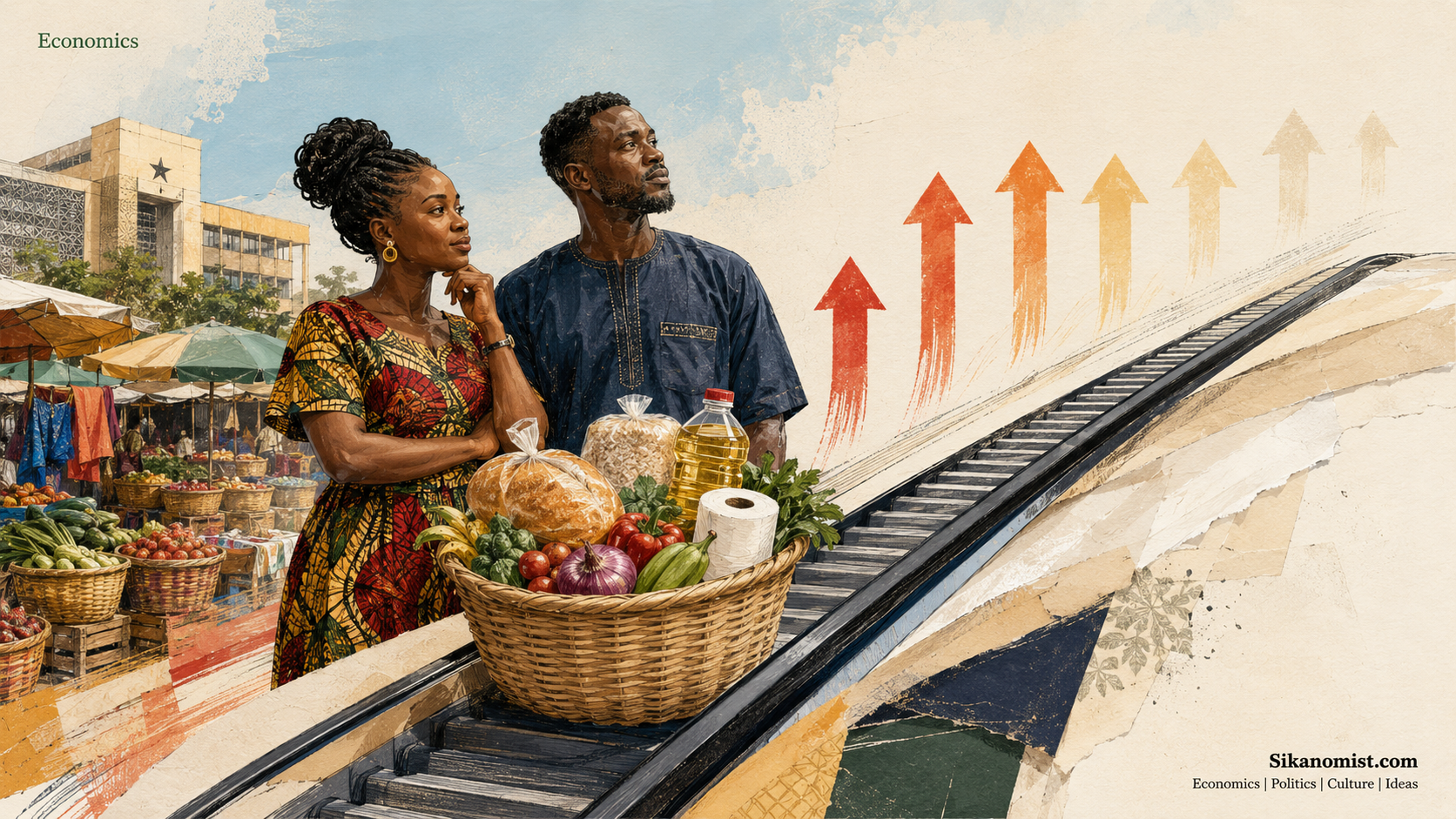
Inflation Is Falling, but Prices Are Not Going Backwards
Ghana’s falling inflation is encouraging, but it does not mean prices are returning to their previous levels. This article explains the difference between slower price increases and falling prices—and why the real recovery will be measured by stronger purchasing power, affordable borrowing, better jobs and improved household living standards.
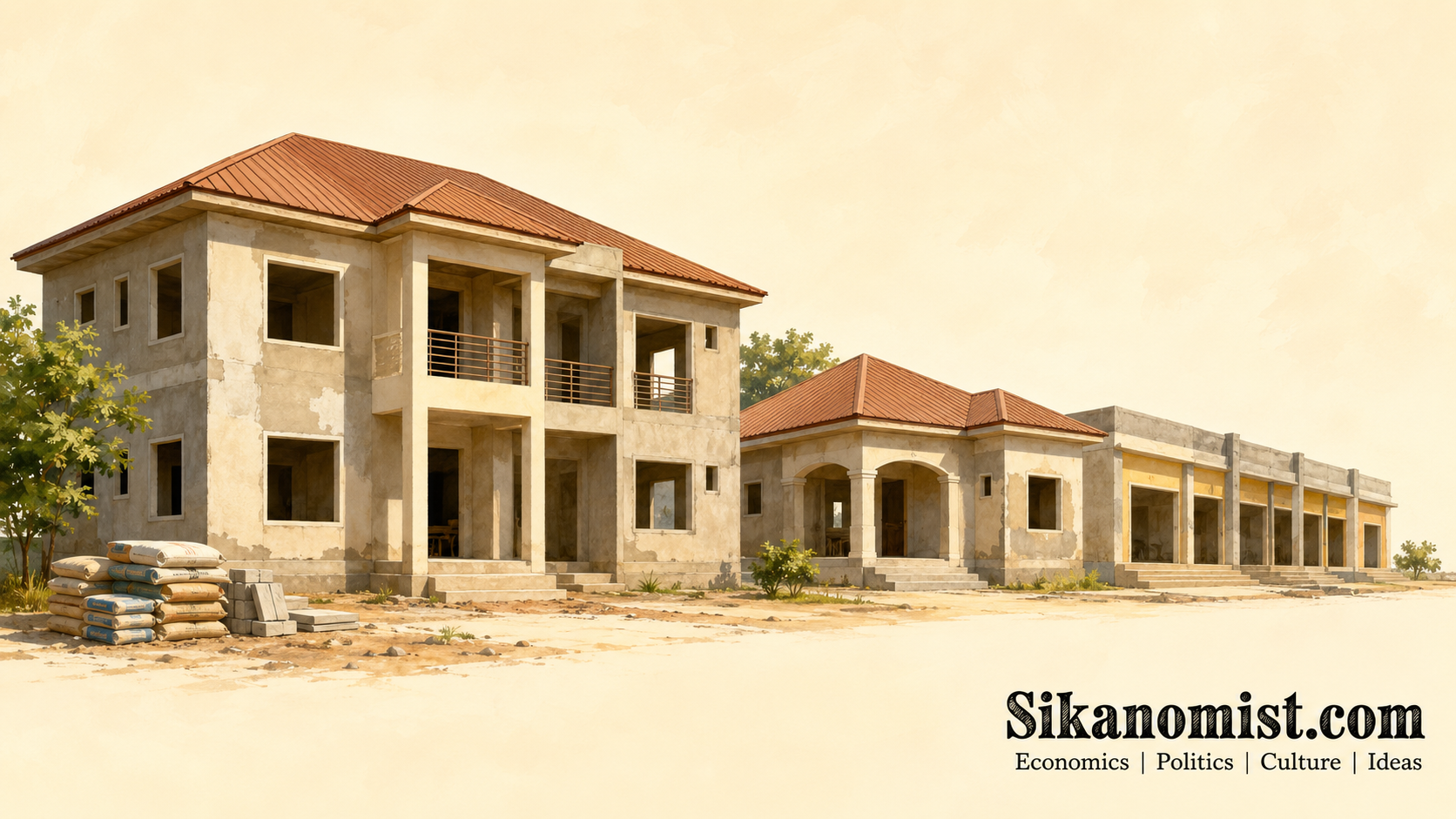
The Locked Capital in Ghana’s Economy
Across Ghana, hundreds of thousands of uncompleted buildings hold enormous private and public investment without providing accommodation or generating income. A disciplined completion-finance programme could unlock these dormant assets, increase housing supply, reduce pressure on rents and create thousands of jobs.
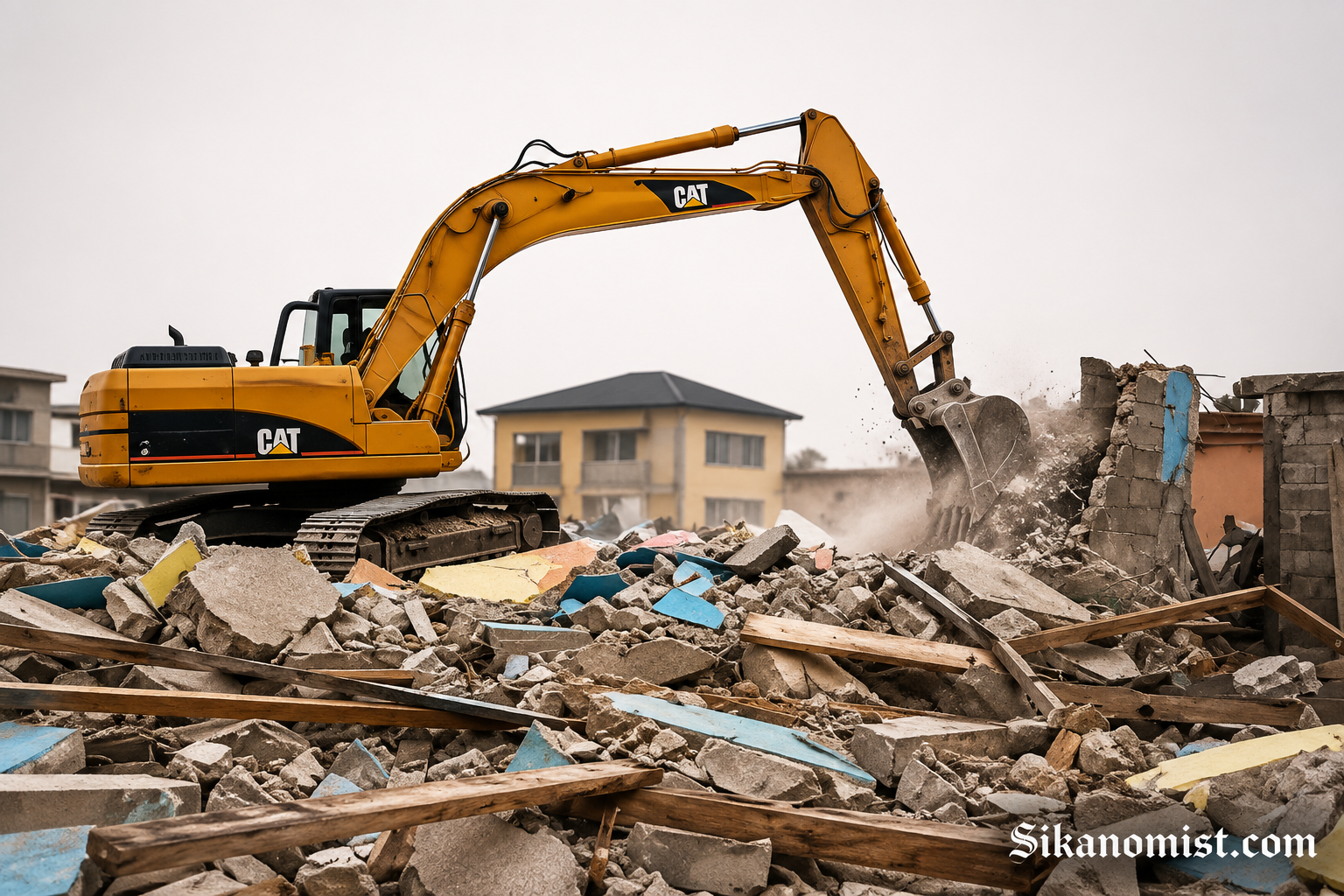
Why Does Ghana Wait Until Buildings Are Finished Before Taking Action?
Ghana loses billions of cedis when completed buildings are demolished for violating planning regulations. While enforcement is necessary, a more important question remains: why are many illegal developments allowed to reach completion before action is taken? Preventing unlawful construction early would protect lives, strengthen investor confidence and avoid unnecessary economic waste.

Ghana Needs a Strong and Independent Civil Service Again
Strong democracies are built on strong institutions. As Ghana seeks faster development, strengthening the professionalism, integrity and independence of the Civil Service could be one of the country's most important long-term investments.
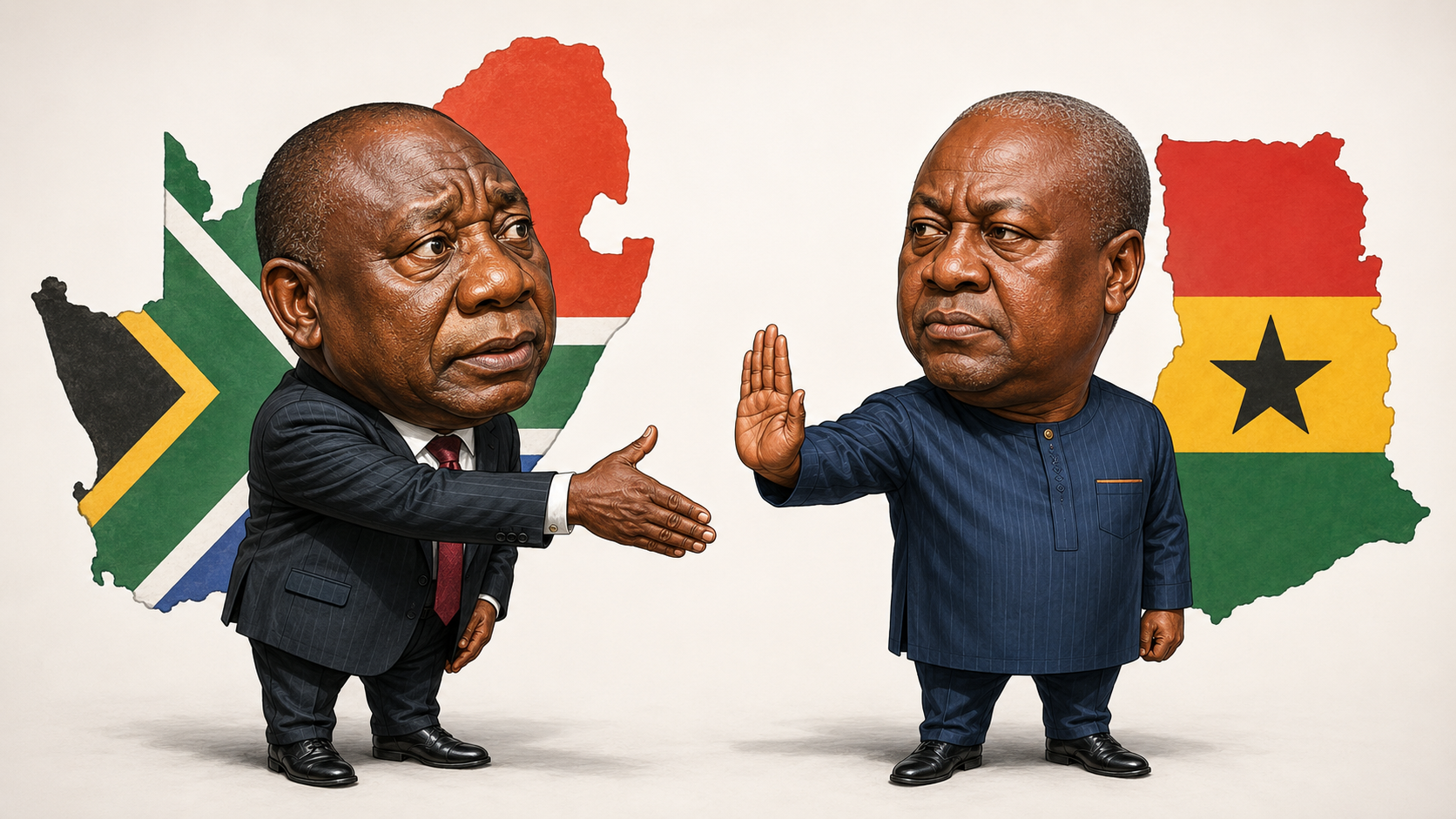
Ghana, South Africa and the Diplomacy We Should Not Abandon
Ghana’s reported decision to decline a proposed visit by South African President Cyril Ramaphosa raises a serious question about diplomacy, citizen protection and African unity. While Ghana must defend the safety and dignity of its citizens in South Africa, the moment could also have been used to speak firmly, allow peaceful public expression and strengthen cooperation between two important African nations.
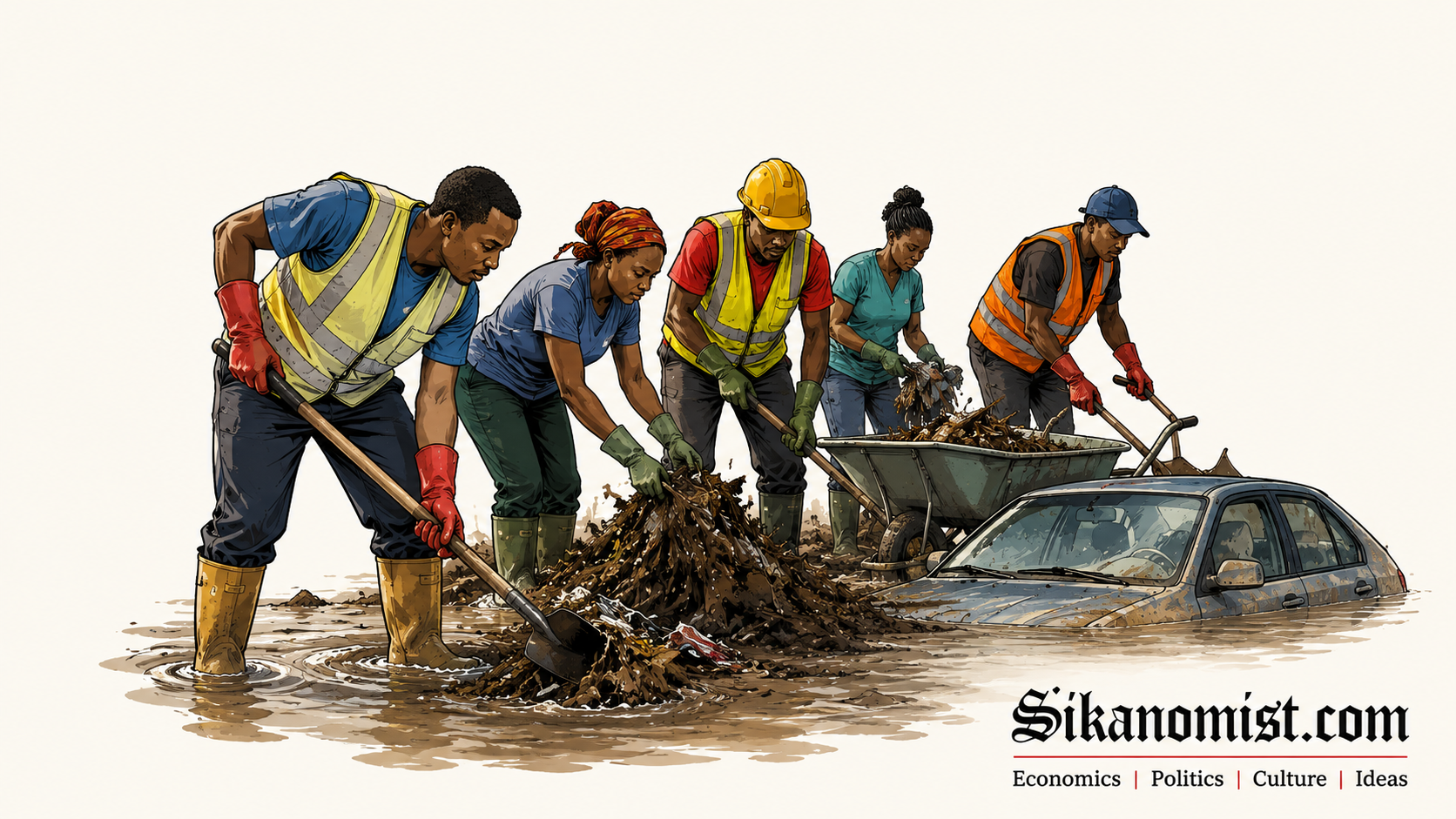
One Week After the Accra Floods: Counting the Cost and Building a More Resilient Ghana
One week after the Accra floods, families are mourning, businesses are counting their losses and communities are rebuilding. This article explores the economic cost of flooding and why Ghana must invest in resilient infrastructure, better urban planning and long-term prevention rather than repeatedly paying the price of avoidable disasters.
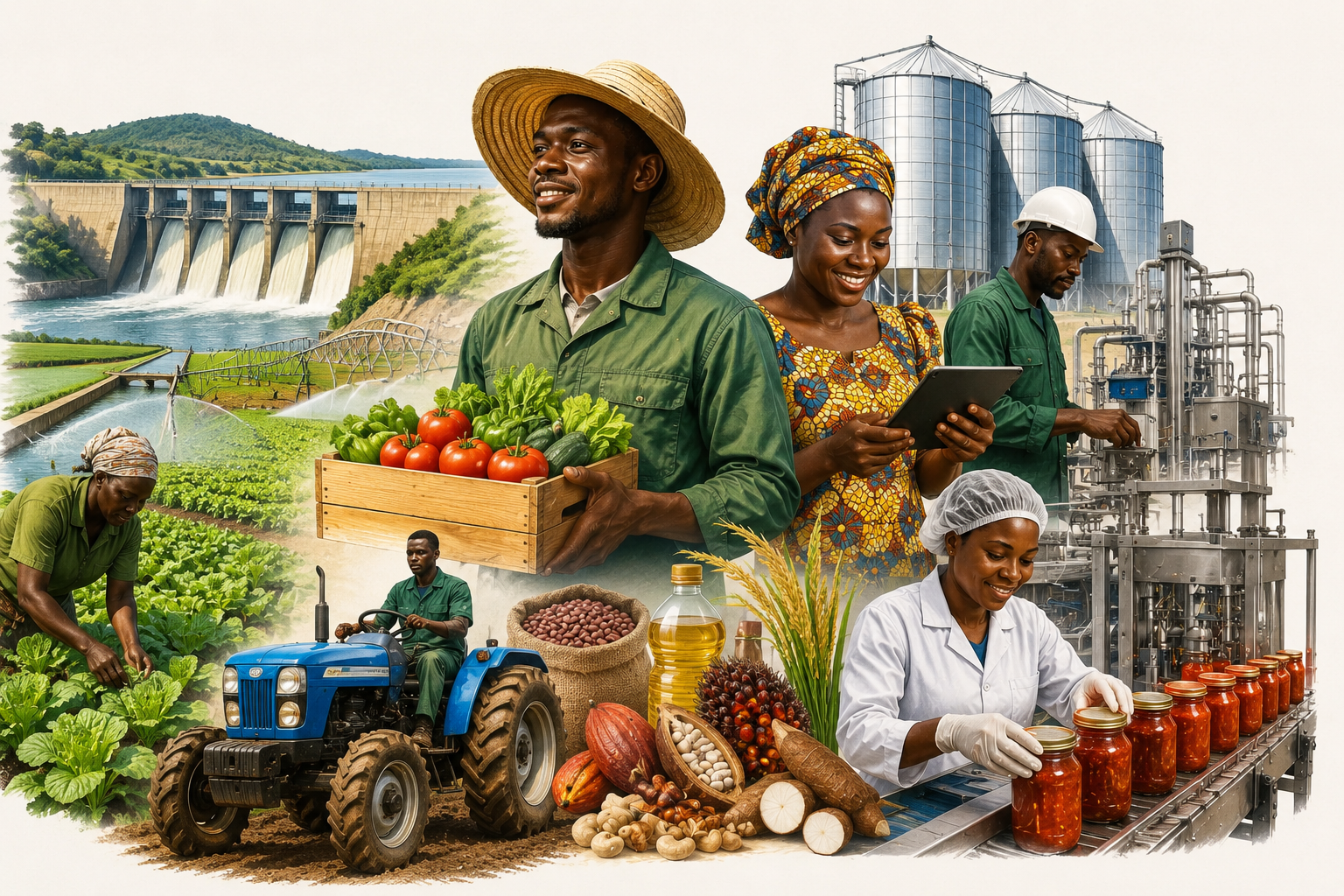
Burkina Faso's Agriculture and Agro-Industry, the game changer.
Burkina Faso's growing investment in dams, irrigation and agro-industry offers practical lessons for Ghana. This article explores how better water management, value addition and modern farming can help Ghana build a stronger agricultural economy, create jobs and improve food security.
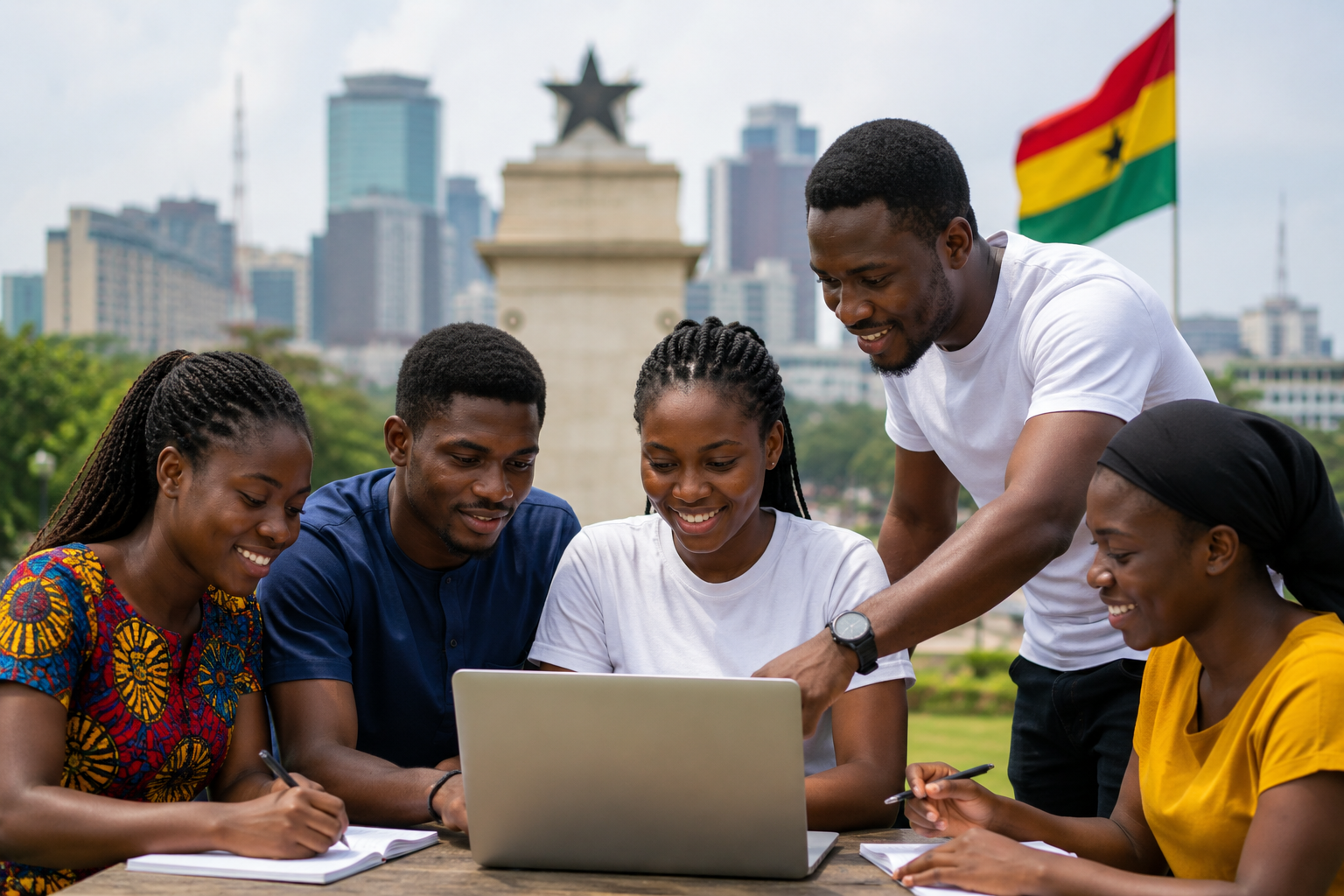
Why Ghana's Young Population Could Become Its Greatest Economic Advantage
Ghana's greatest natural resource may not be found beneath the ground, but within its people. This article explores how investing in the country's young population through education, skills, entrepreneurship and opportunity could transform Ghana into one of Africa's most prosperous and innovative economies.
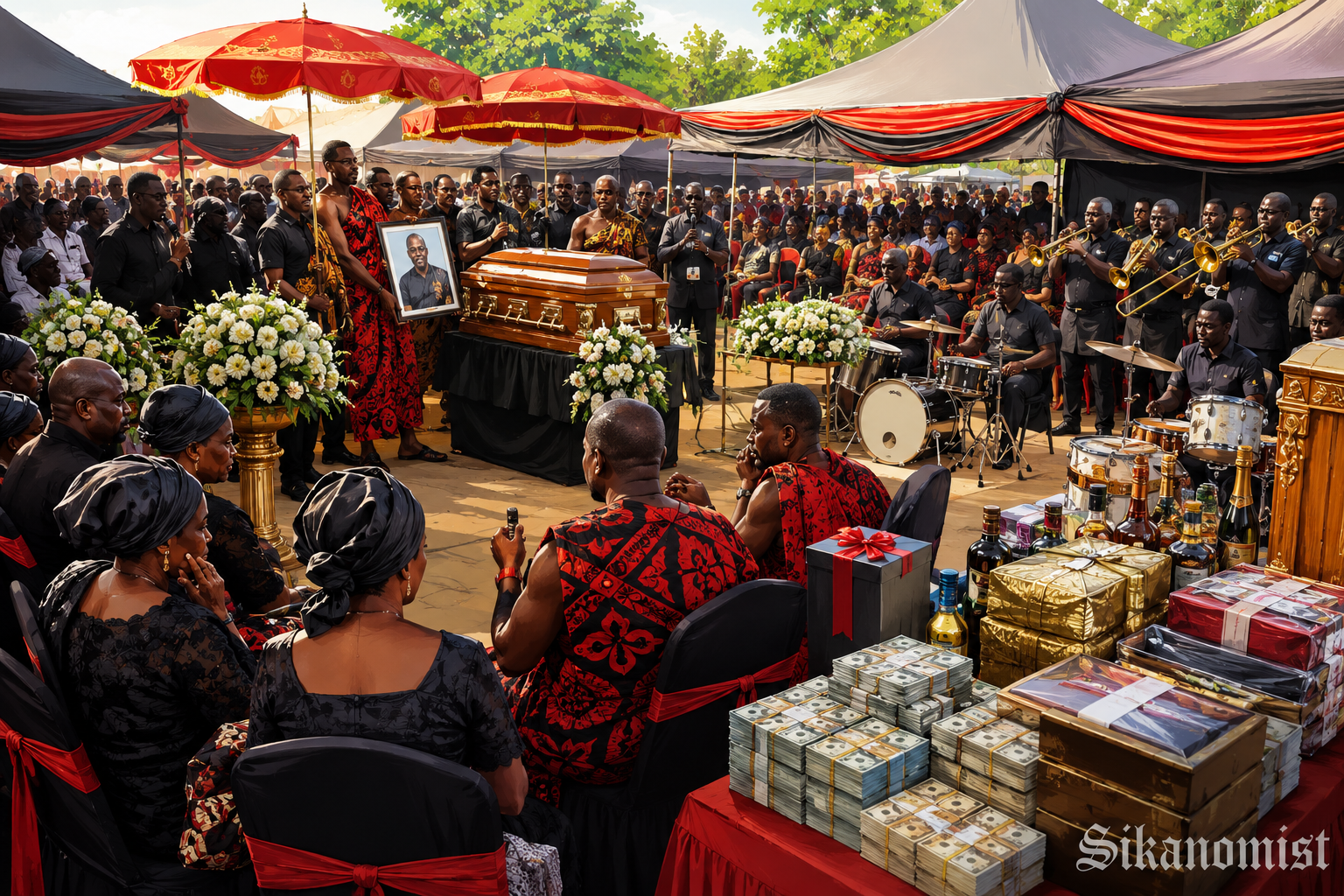
Can Ghana Honour Its Dead While Investing More in the Living?
Ghana's funeral traditions are among the richest and most respected in the world, reflecting our deep sense of family, community and respect for those who have passed away. Yet as funeral costs continue to rise, an important question emerges: can we preserve the dignity of these traditions while investing more in businesses, education, jobs and the future of the living?
Welcome to Sikanomist.com: A New Voice for Ghana. A New Conversation for Our Future.
A new voice for Ghana has arrived. Sikanomist.com is a media platform dedicated to Economics, Politics, Culture and Ideas, helping Ghanaians learn from the world's best practices while showcasing the best of Ghana to the world. Join a growing community committed to knowledge, constructive debate and practical solutions for a brighter future. Read, contribute and help shape the next chapter of our nation.
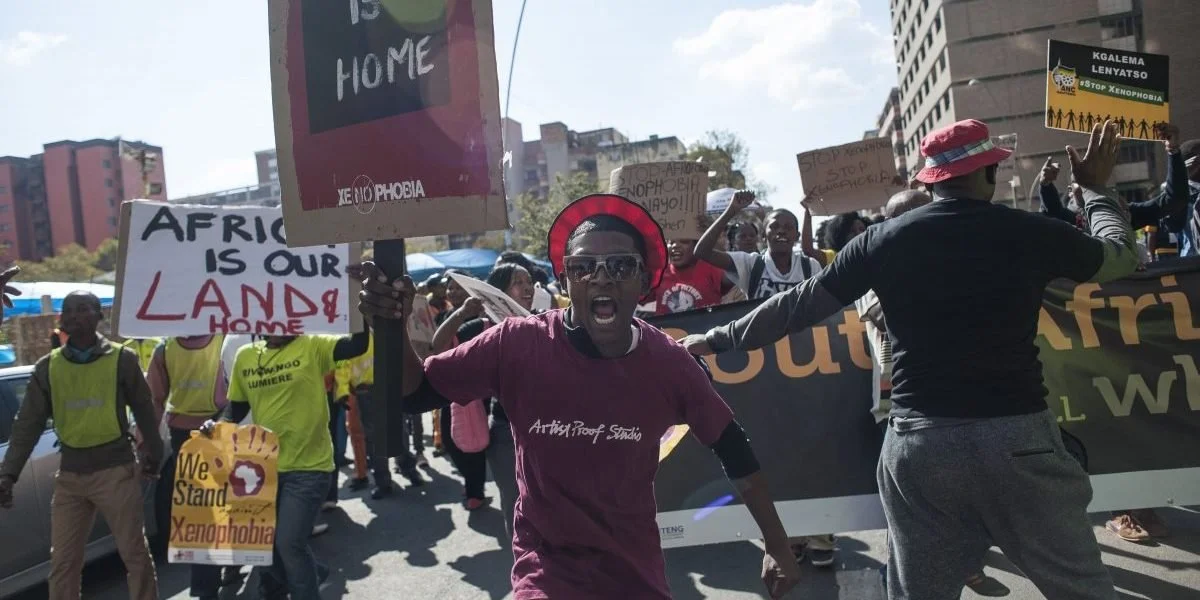
When Economic Frustration Turns Against Foreigners
South Africa is often described as Africa's most industrialized economy. For decades, it has attracted migrants from across the continent seeking opportunity, education, safety, and a better future.
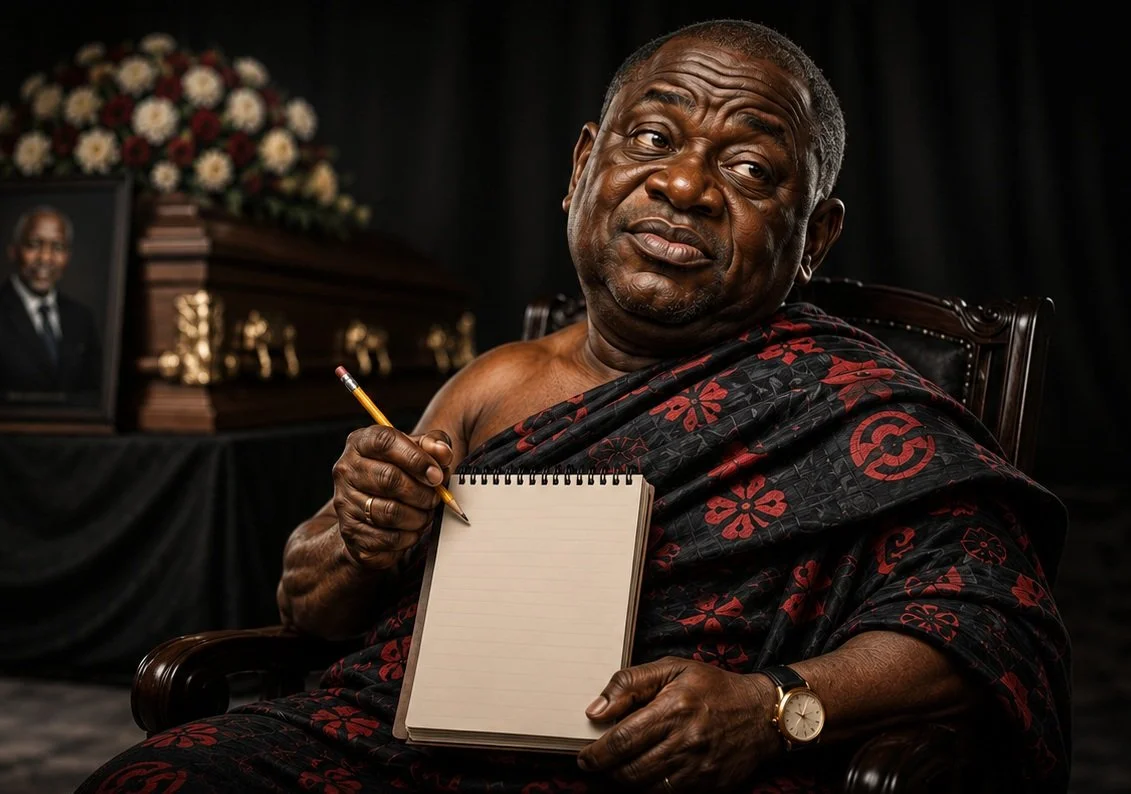
Are Ghana's Large Funerals a Cultural Asset or an Economic Burden?
.Ghana's funeral culture is admired across Africa. But is it becoming too expensive for the country's future?
Subscribe to our newsletter.
Sign up with your email address to receive news and updates.