
The Proposed Ghanafo Compact
The Ghanafo Compact is a proposed 25-year national development plan to mobilise and invest at least GH₵5 trillion in Ghana’s economy to create jobs, raise incomes and improve everyday life.
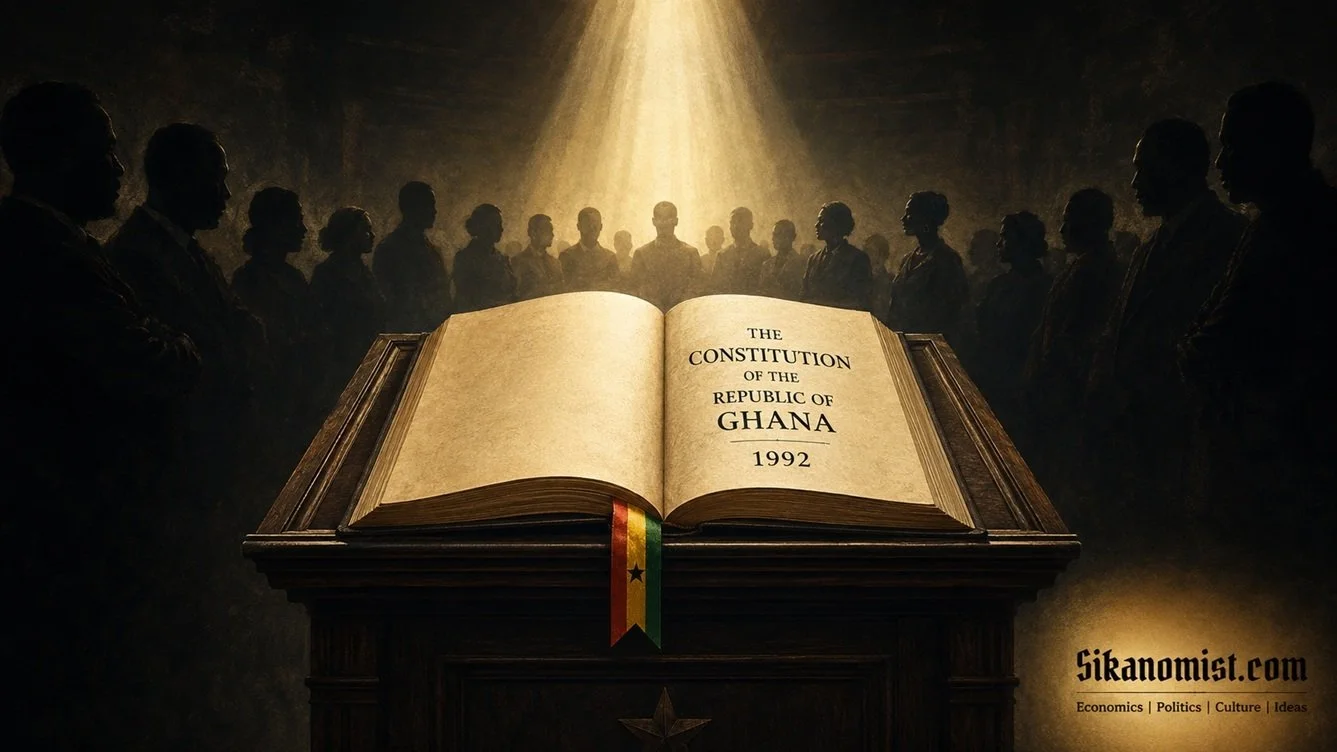
Ghana’s Constitution Must Not Be Changed in the Dark
Ghana’s proposed constitutional referendum must not become another contest between the NDC and NPP. The governing party must not control the process, and the opposition must not reject reforms merely for political advantage. Before voting, every Ghanaian must understand what is being changed, why it matters and how it could affect the country for generations.
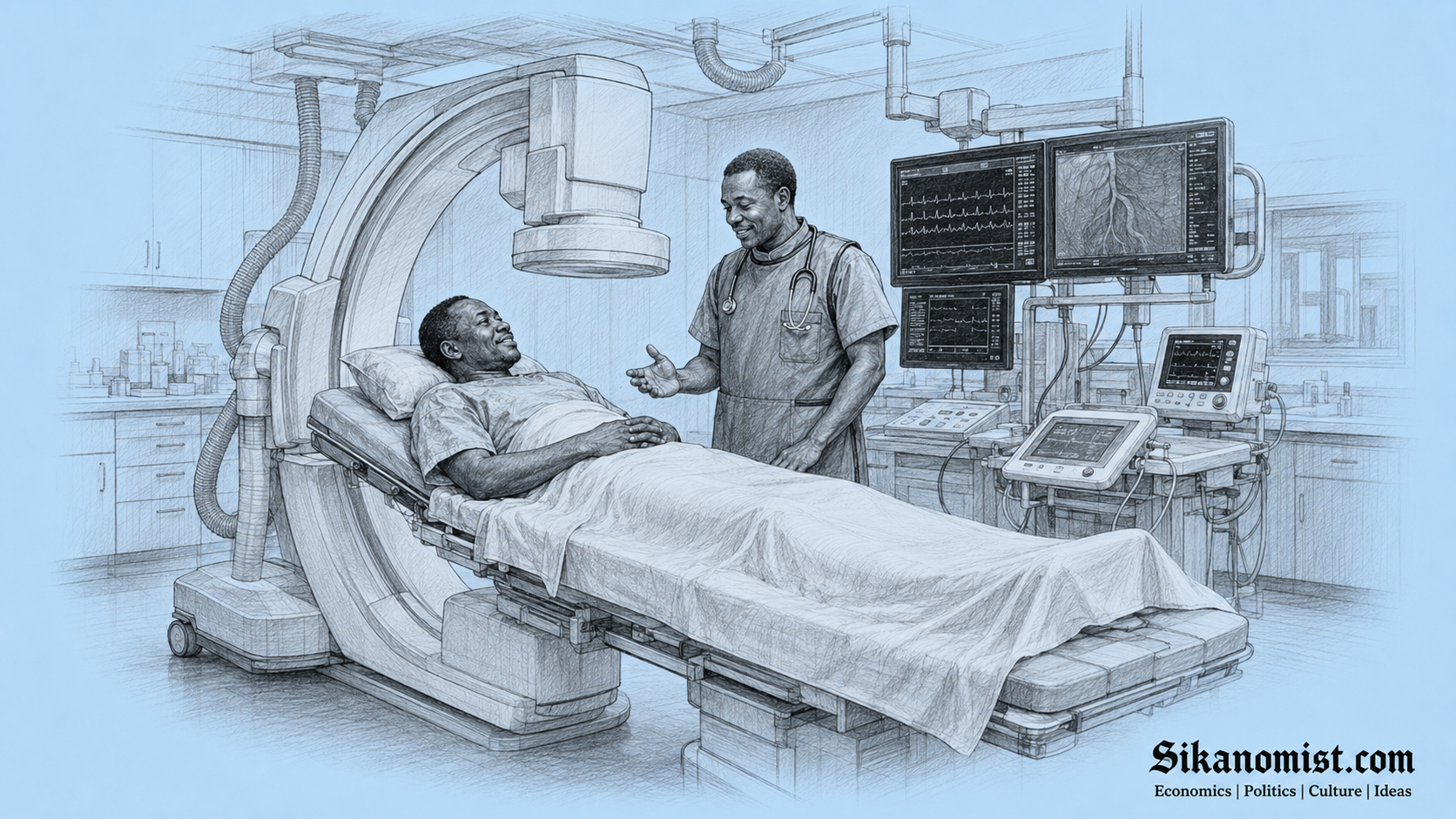
Save the Ghana Medical Trust Fund from Political Branding
The Ghana Medical Trust Fund could save thousands of lives, but the “MahamaCares” nickname risks politicising it. Here is why Ghana should retire the nickname and protect this vital national initiative.
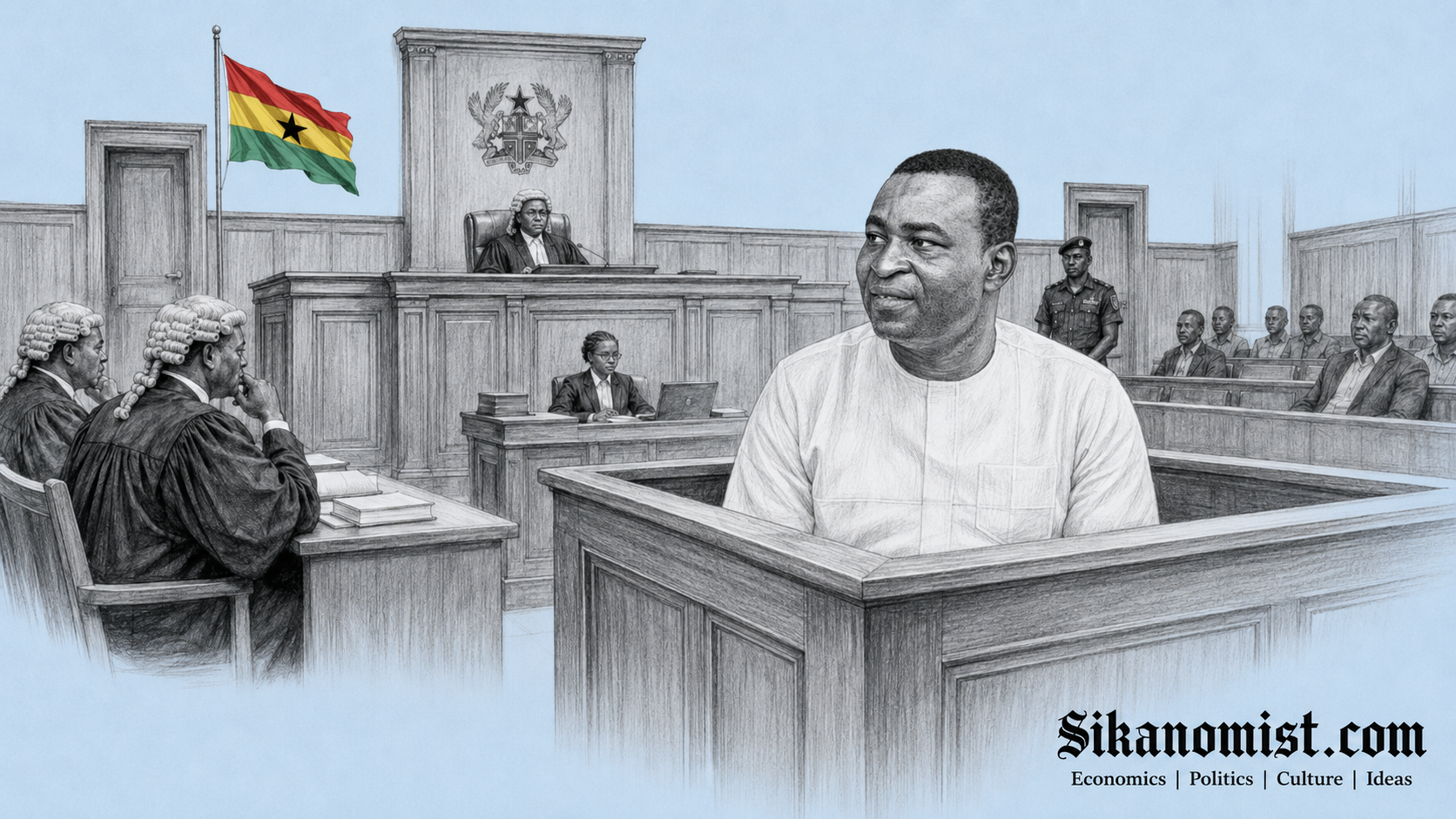
What the Wontumi Judgment Actually Says—and What It Means for Ghana
The High Court judgment against Chairman Wontumi is more complex than the political slogans surrounding it. It explains how the court used circumstantial evidence, mining law and Akonta Mining’s weak corporate governance to connect him personally to unlicensed mining activities. The wider test for Ghana is whether the same law will be applied consistently to every powerful and politically connected person.
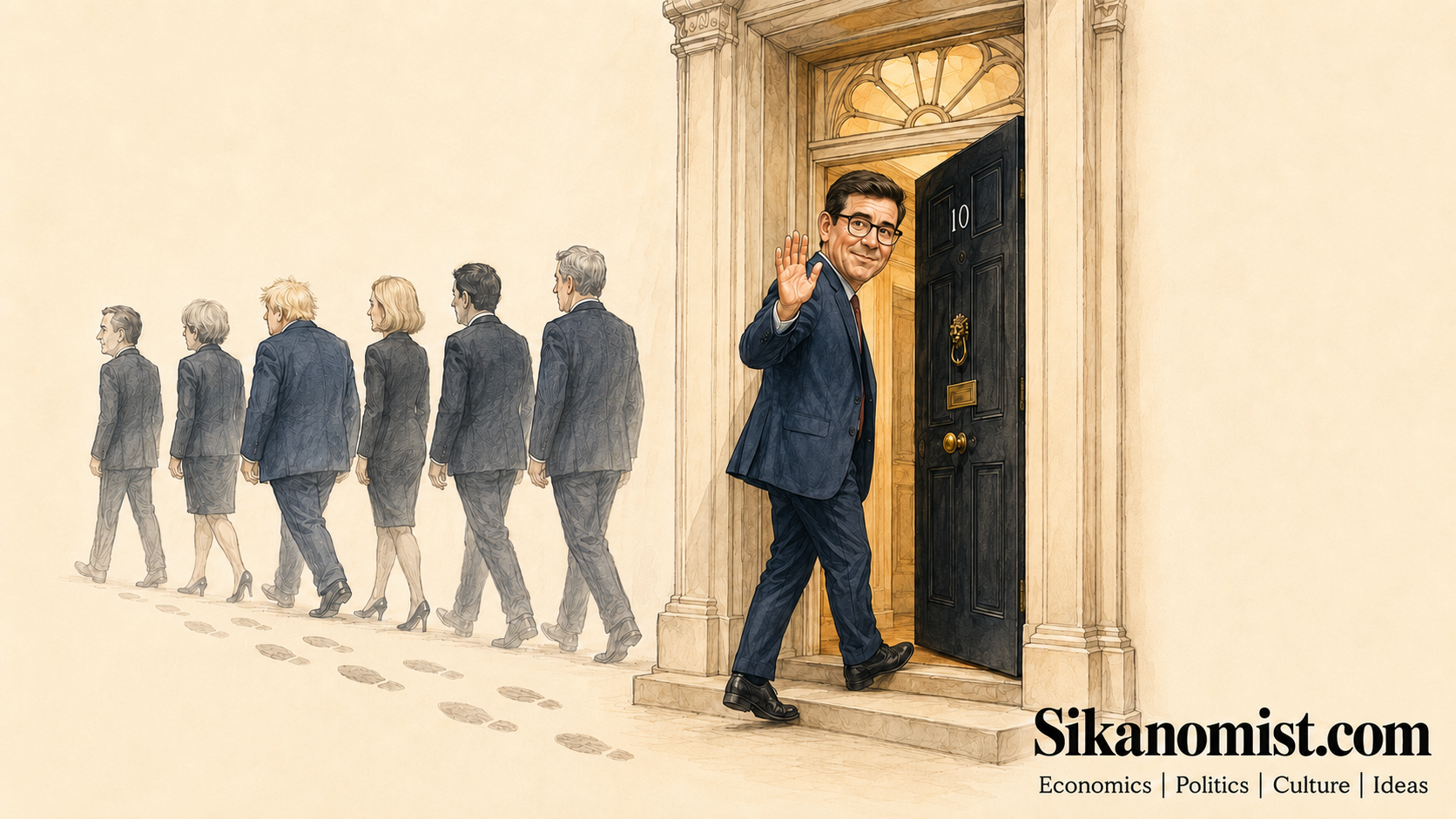
Seven Prime Ministers in Ten Years: Will Britain Give Andy Burnham a Chance?
Andy Burnham has become Britain’s seventh Prime Minister in ten years. Can his promise of economic renewal, regional empowerment and practical government finally bring stability to a country exhausted by political change?
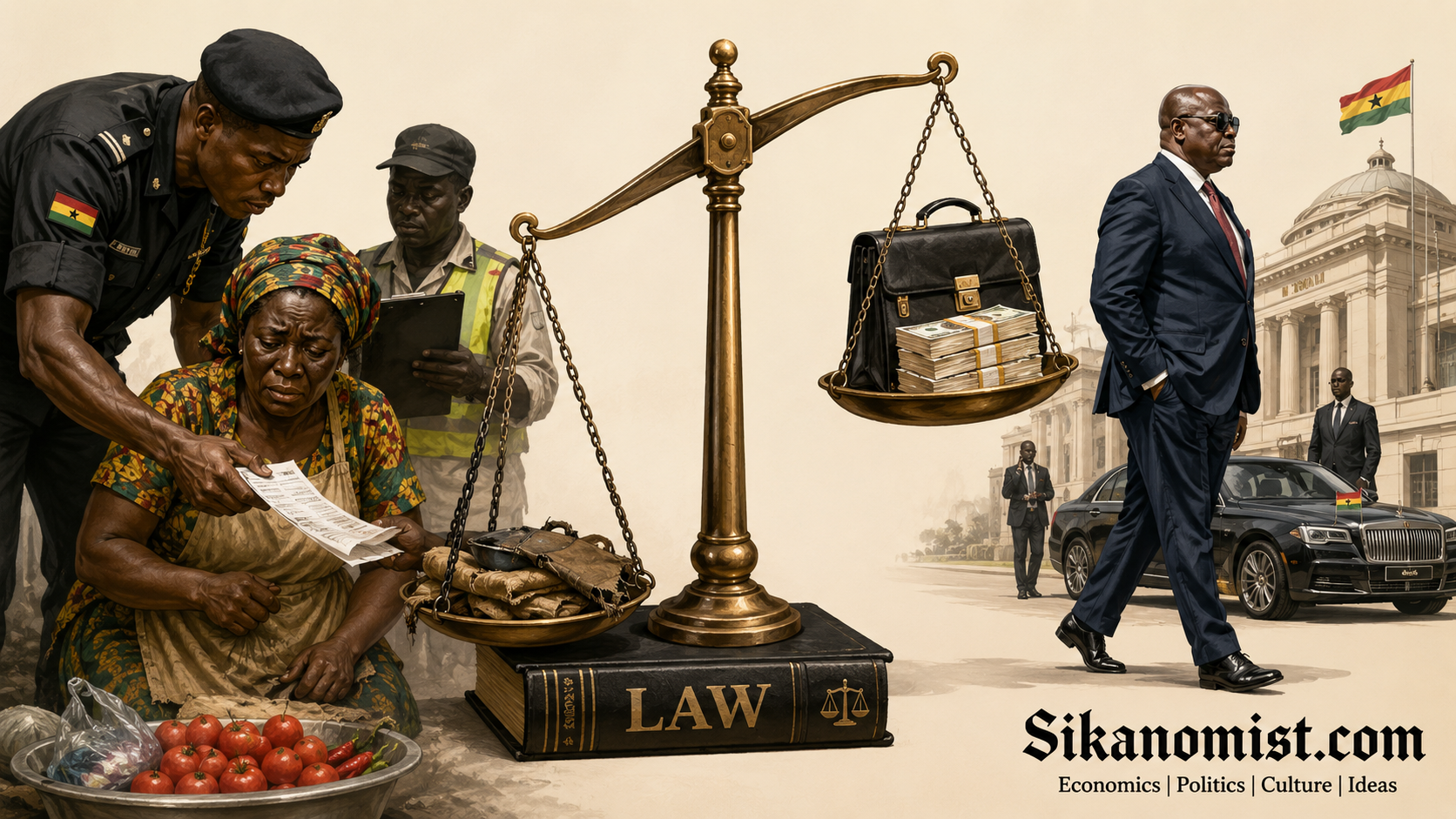
When the Law Is Strong Against the Weak but Weak Against the Powerful
When ordinary citizens are punished quickly but wealthy, connected or politically influential people receive special treatment, the law loses its moral authority. Ghana must build institutions that apply rules fairly, protect honest public officers and ensure that influence never becomes a licence to break the law.
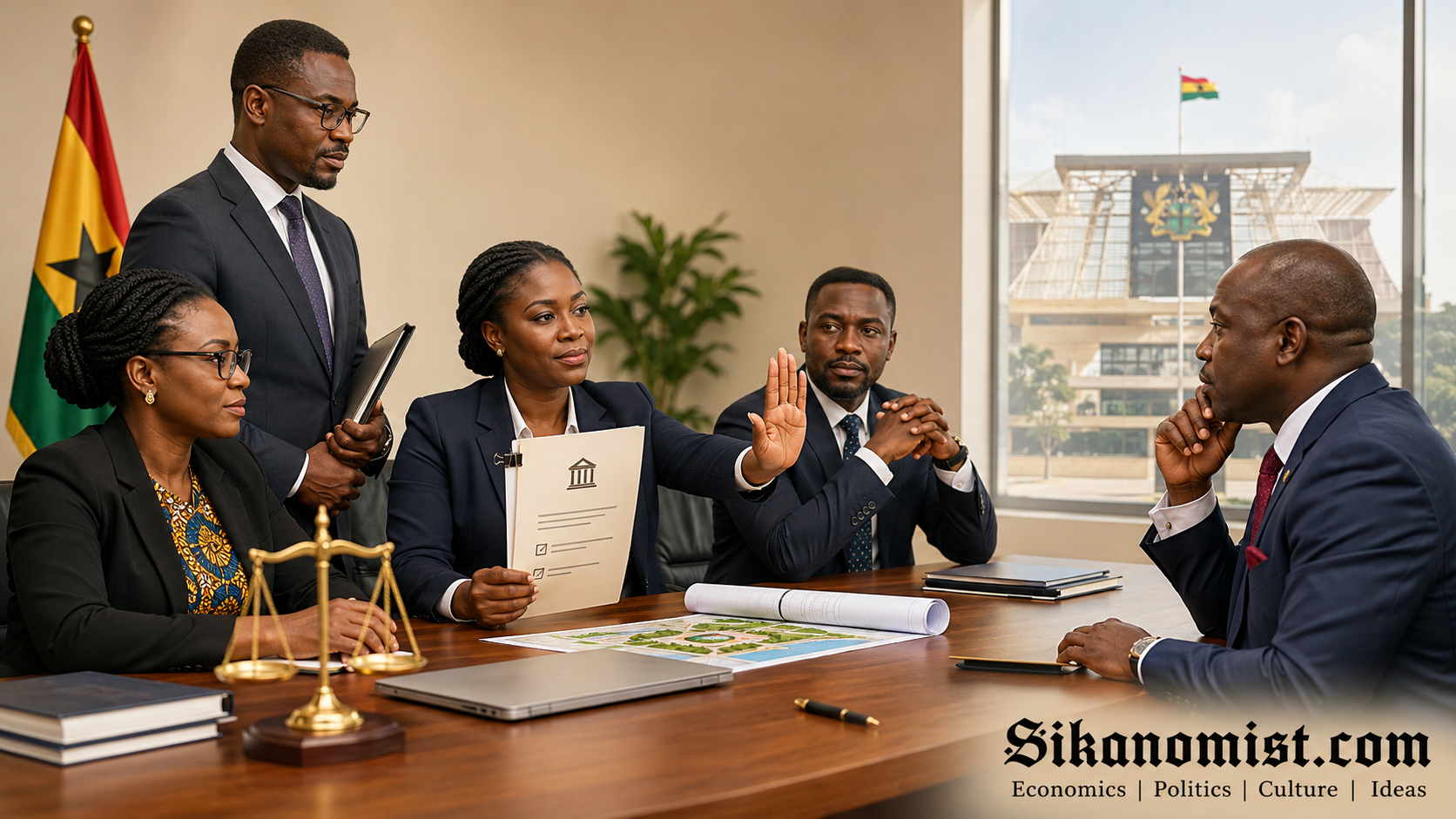
No, Mr Politician, the Law Does Not Permit This
Ghana’s democracy will remain incomplete until public institutions are strong enough to enforce the law without fear of presidents, ministers, party officials or influential citizens. Strong institutions do not weaken political leadership; they protect the country from costly mistakes, abuse of power and government by personal influence.
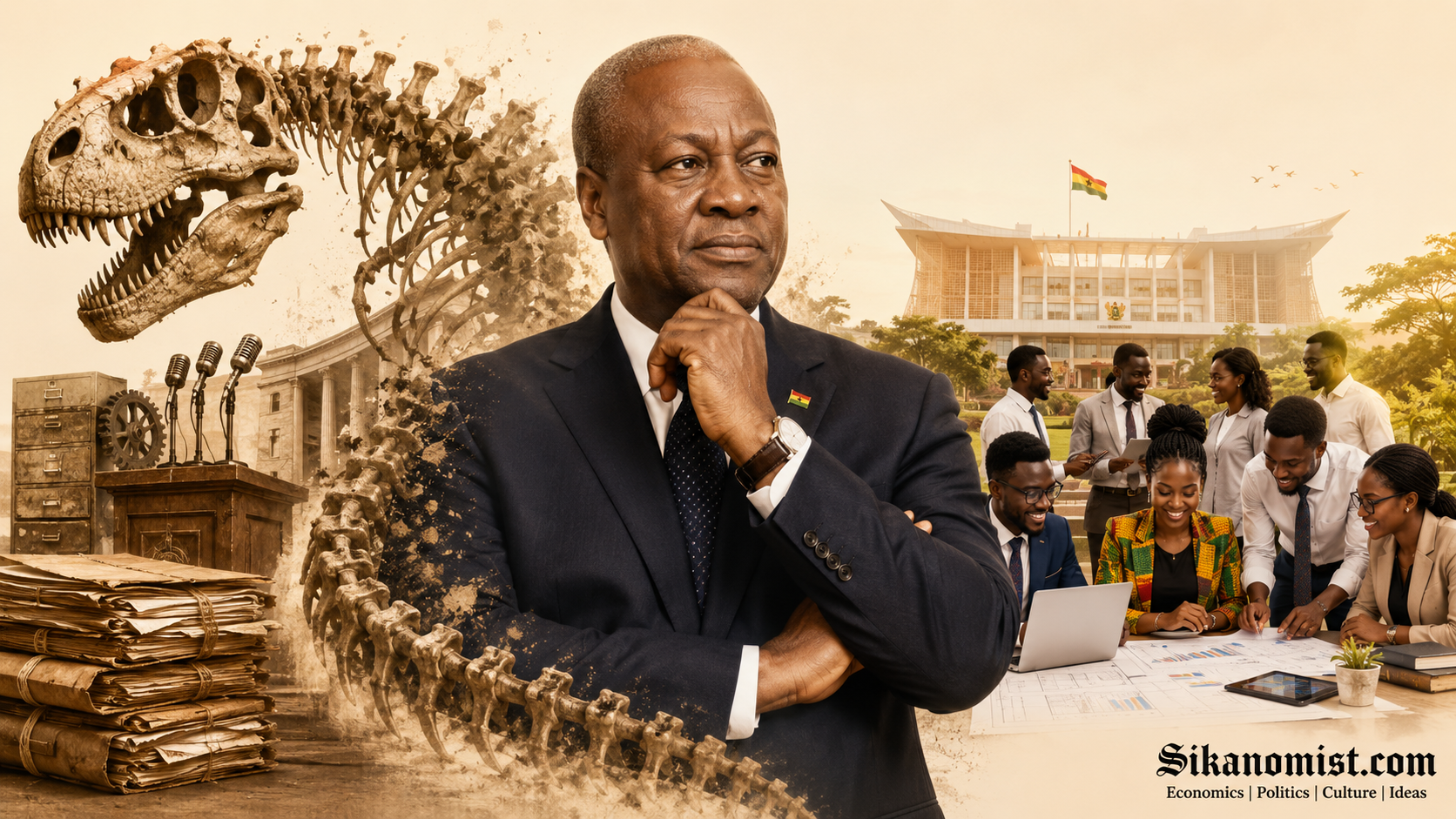
Is Mahama’s Government the End of Ghana’s Dinosaur Era?
Can President Mahama end Ghana’s outdated style of governance? This article examines political revenge, party loyalty, weak institutions and the need for professional, patriotic and modern leadership

Ministers Must Lead Politically—Civil Servants Must Lead Professionally
Ghana’s ministers should provide political direction, while professional civil servants should provide honest advice, lawful administration and competent implementation.
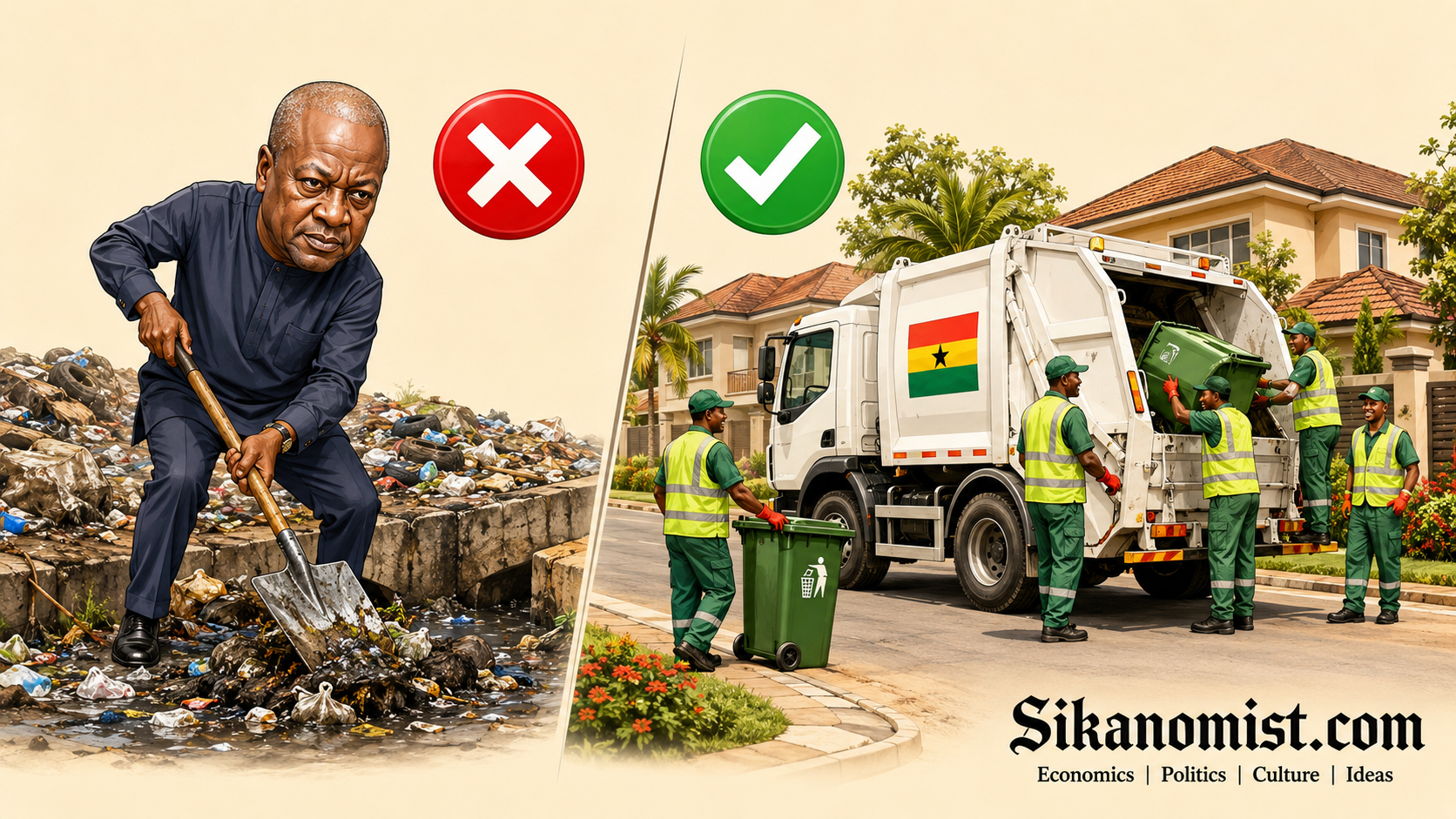
Ghana’s Waste Crisis Needs Systems, Not Symbolism.
Ghana’s recent flooding has exposed more than blocked drains; it has exposed a weak waste management system. A President clearing rubbish may show concern, but Ghana needs reliable collection, district accountability, routine drainage maintenance and a national sanitation strategy that works even when no camera is present.

Ghana Cannot Develop with a Silent Civil Service
Ghana cannot develop when professional civil servants are paid to occupy offices but denied the authority to advise honestly, enforce regulations and protect the public interest.
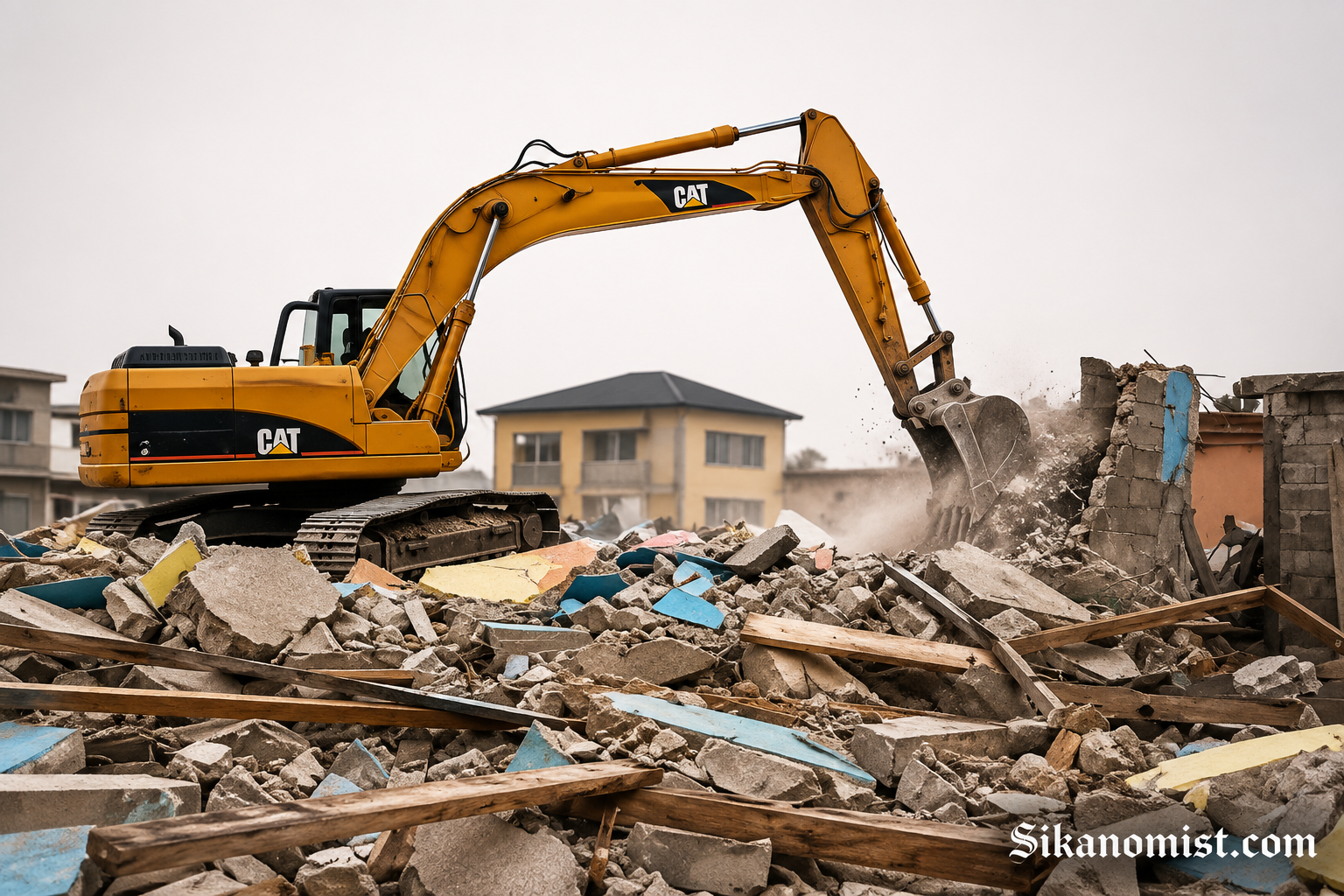
Why Does Ghana Wait Until Buildings Are Finished Before Taking Action?
Ghana loses billions of cedis when completed buildings are demolished for violating planning regulations. While enforcement is necessary, a more important question remains: why are many illegal developments allowed to reach completion before action is taken? Preventing unlawful construction early would protect lives, strengthen investor confidence and avoid unnecessary economic waste.
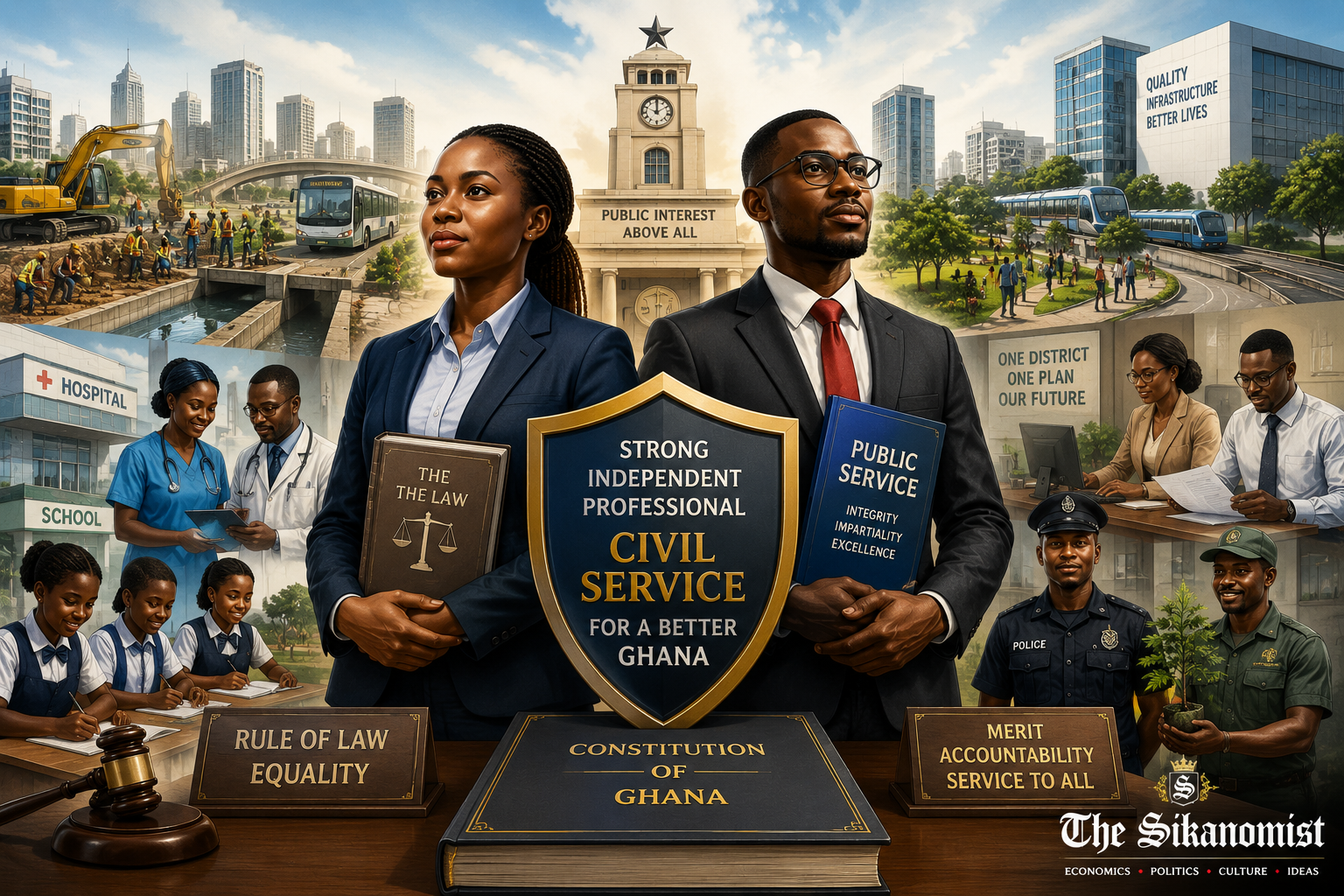
Ghana Needs a Strong and Independent Civil Service Again
Strong democracies are built on strong institutions. As Ghana seeks faster development, strengthening the professionalism, integrity and independence of the Civil Service could be one of the country's most important long-term investments.
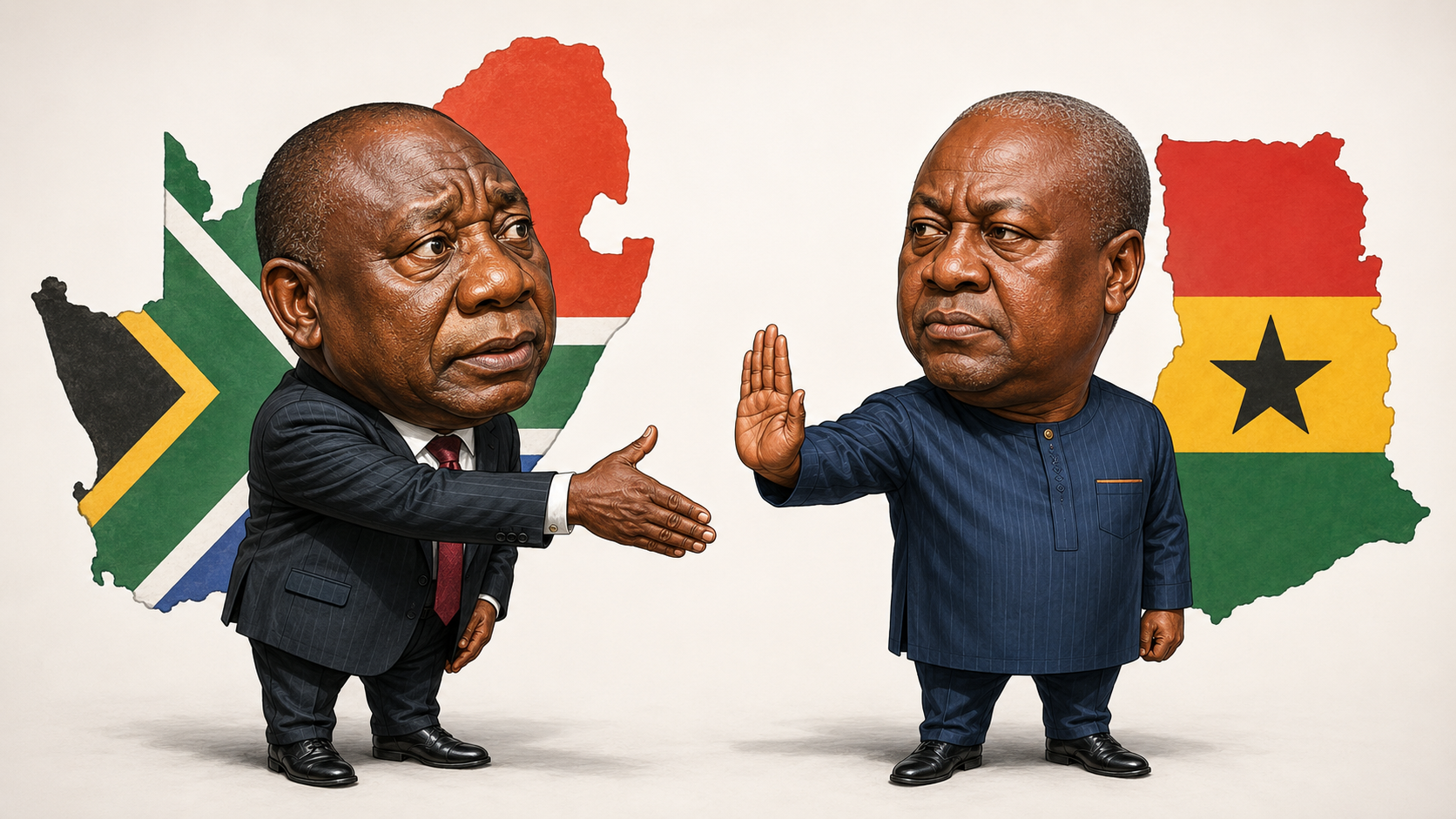
Ghana, South Africa and the Diplomacy We Should Not Abandon
Ghana’s reported decision to decline a proposed visit by South African President Cyril Ramaphosa raises a serious question about diplomacy, citizen protection and African unity. While Ghana must defend the safety and dignity of its citizens in South Africa, the moment could also have been used to speak firmly, allow peaceful public expression and strengthen cooperation between two important African nations.
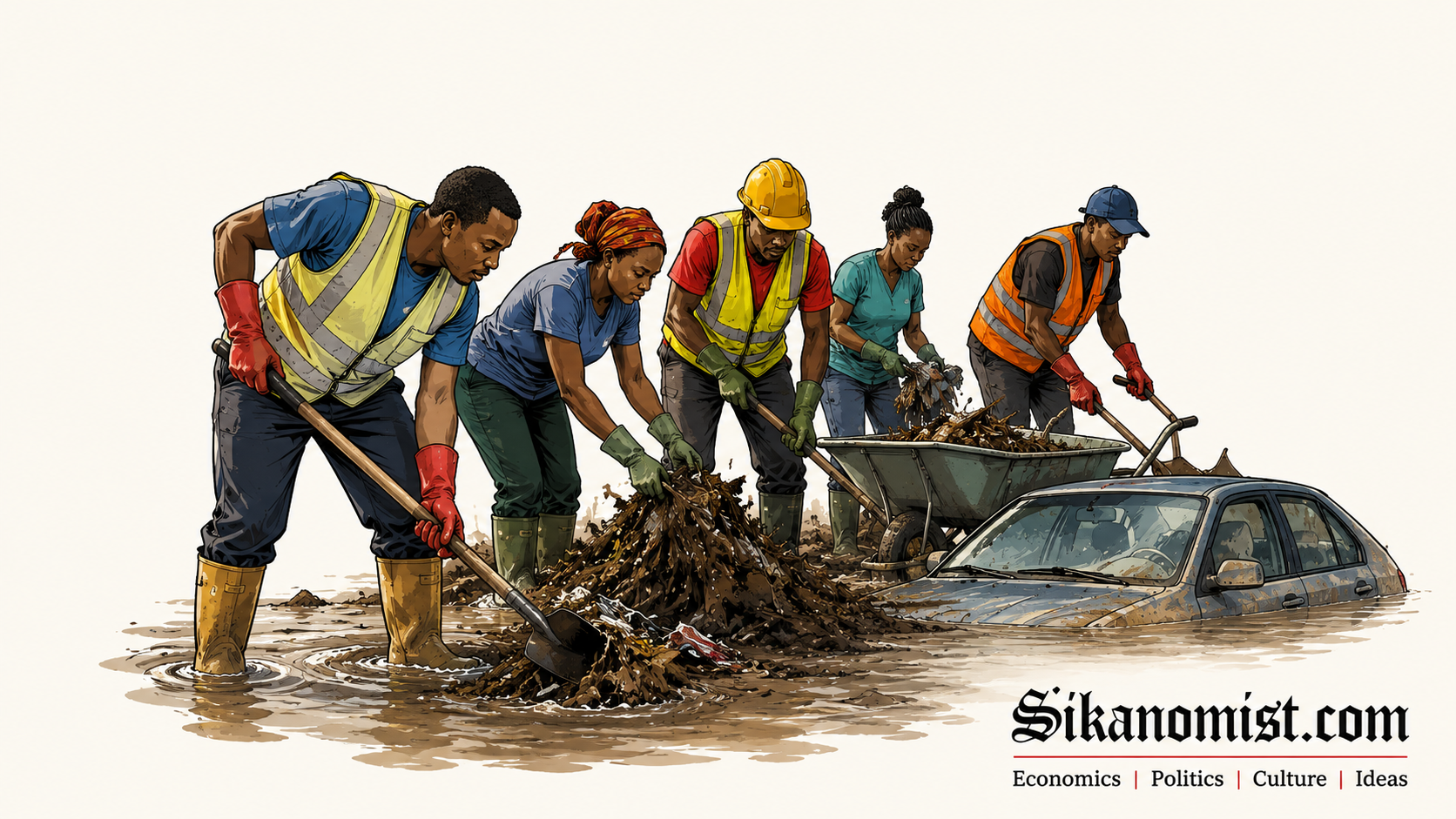
One Week After the Accra Floods: Counting the Cost and Building a More Resilient Ghana
One week after the Accra floods, families are mourning, businesses are counting their losses and communities are rebuilding. This article explores the economic cost of flooding and why Ghana must invest in resilient infrastructure, better urban planning and long-term prevention rather than repeatedly paying the price of avoidable disasters.
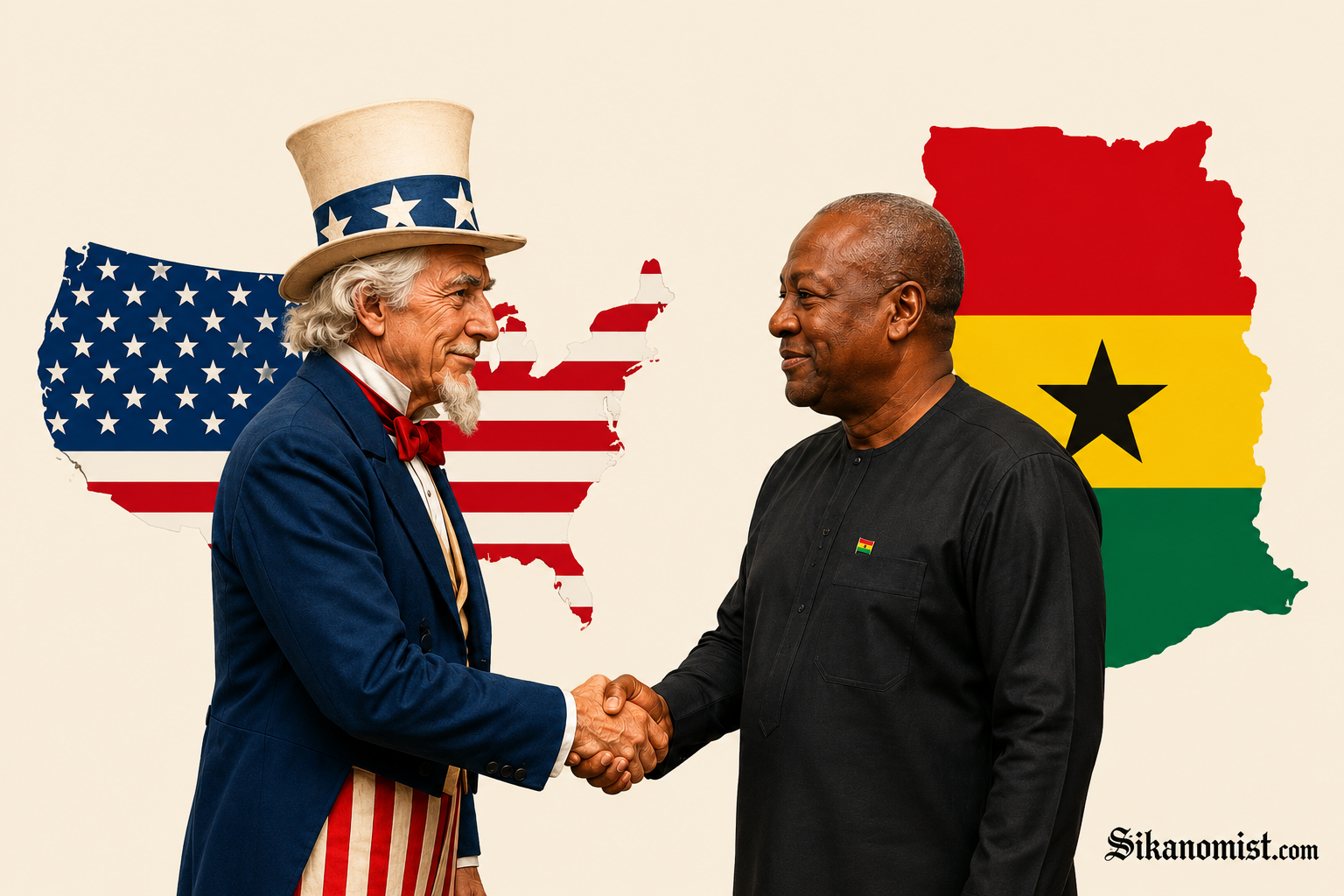
America at 250: What Can Ghana Learn from Two and a Half Centuries of Nation-Building?
As the United States marks 250 years of nation-building, Ghana has an opportunity to reflect on the lessons that have helped one of the world's oldest republics endure. From strong institutions and long-term planning to innovation, entrepreneurship and national confidence, what practical ideas can Ghana adopt to build a more prosperous future for generations to come?

What Kind of Republic Will Today's Generation Leave for Ghana's Children?
Republic Day is more than a celebration of Ghana's past—it is a reminder that every generation has a duty to strengthen the nation for those who come after it. The Republic our children inherit will be shaped by the choices we make today.
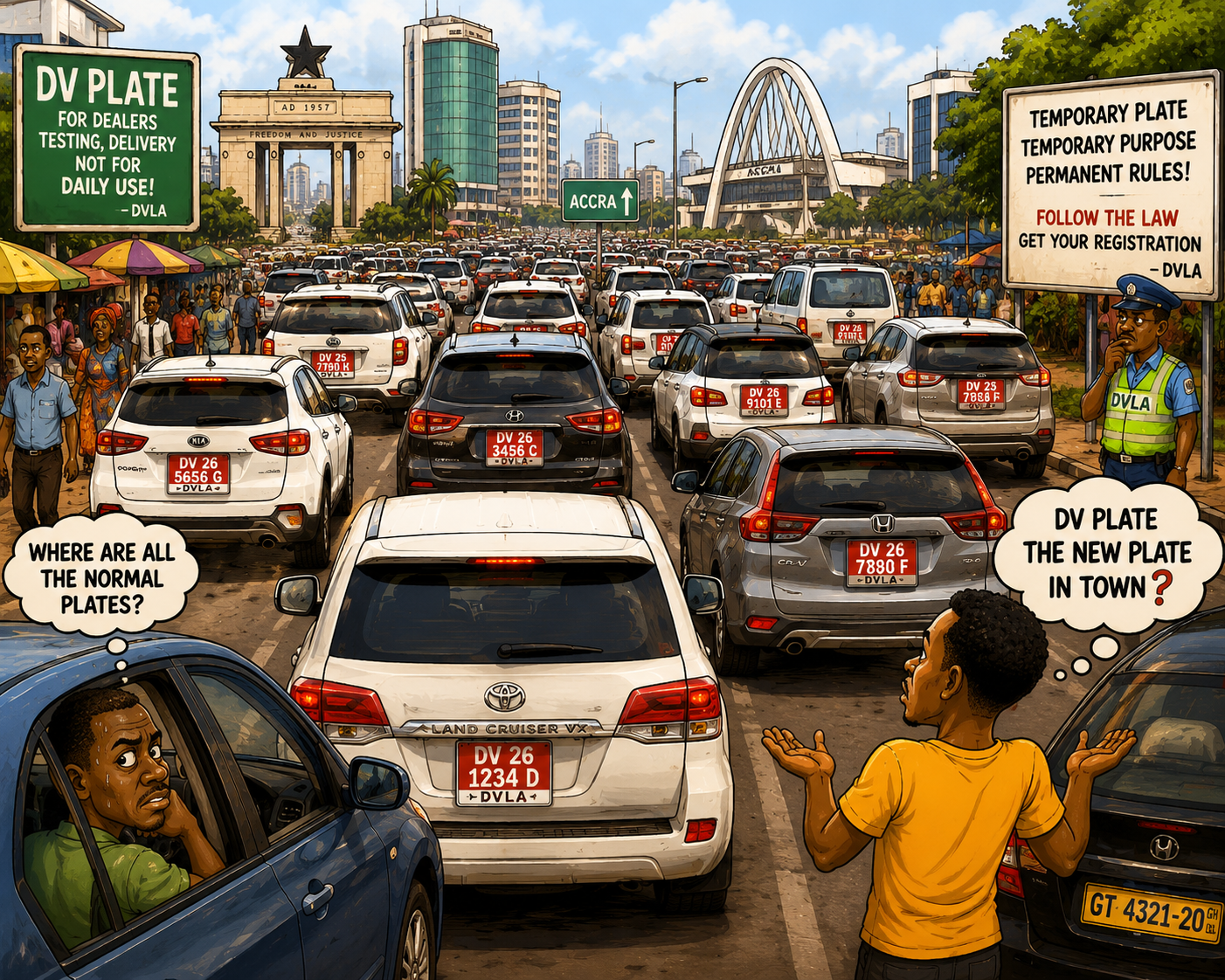
Are DV Number Plates the New Car Number Plates in Ghana?
Why are DV number plates appearing on so many vehicles in Ghana? The Sikanomist examines their purpose, growing use, and what it could mean for regulation, road safety and public confidence.
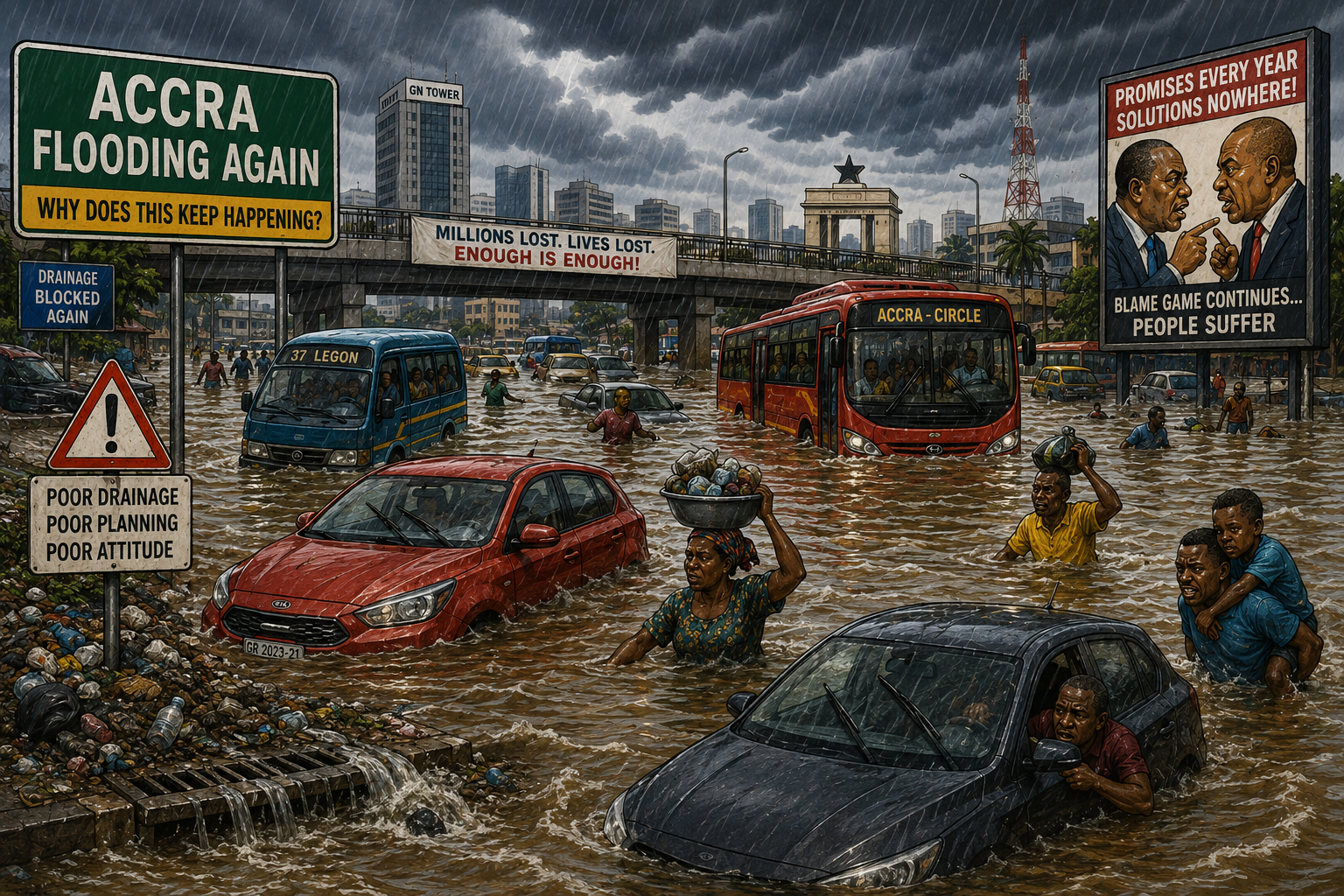
Accra's Flooding Can Be Stopped. Let's Do It Now.
Accra's annual floods are not an unavoidable fact of life. They are a challenge that can be overcome through engineering excellence, effective urban planning, consistent law enforcement and responsible citizenship.
Welcome to Sikanomist.com: A New Voice for Ghana. A New Conversation for Our Future.
A new voice for Ghana has arrived. Sikanomist.com is a media platform dedicated to Economics, Politics, Culture and Ideas, helping Ghanaians learn from the world's best practices while showcasing the best of Ghana to the world. Join a growing community committed to knowledge, constructive debate and practical solutions for a brighter future. Read, contribute and help shape the next chapter of our nation.
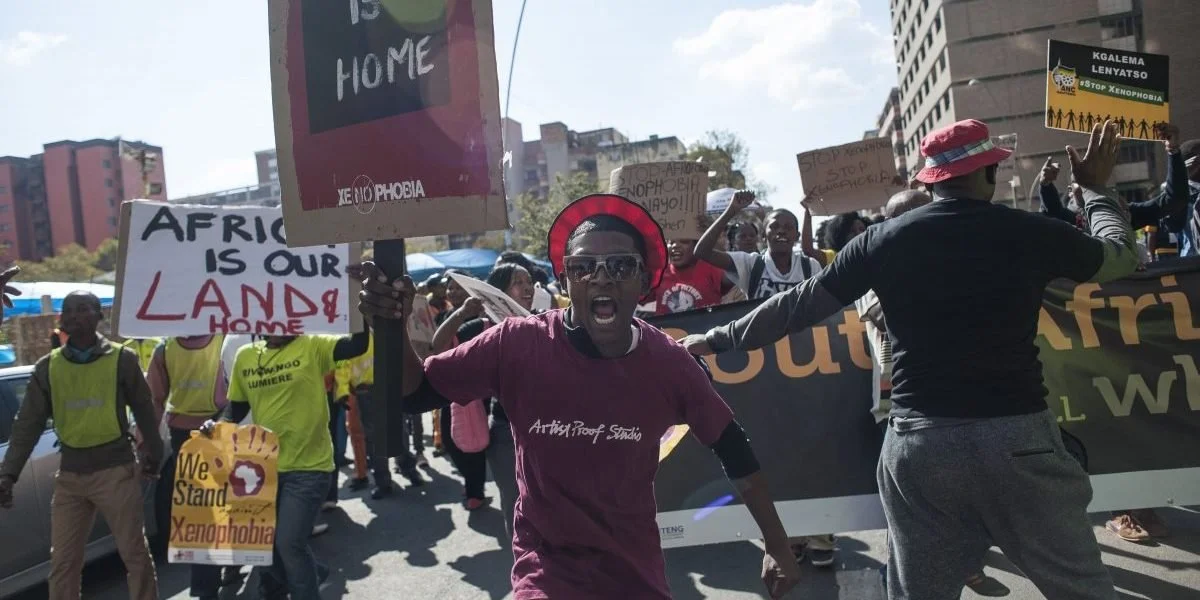
When Economic Frustration Turns Against Foreigners
South Africa is often described as Africa's most industrialized economy. For decades, it has attracted migrants from across the continent seeking opportunity, education, safety, and a better future.
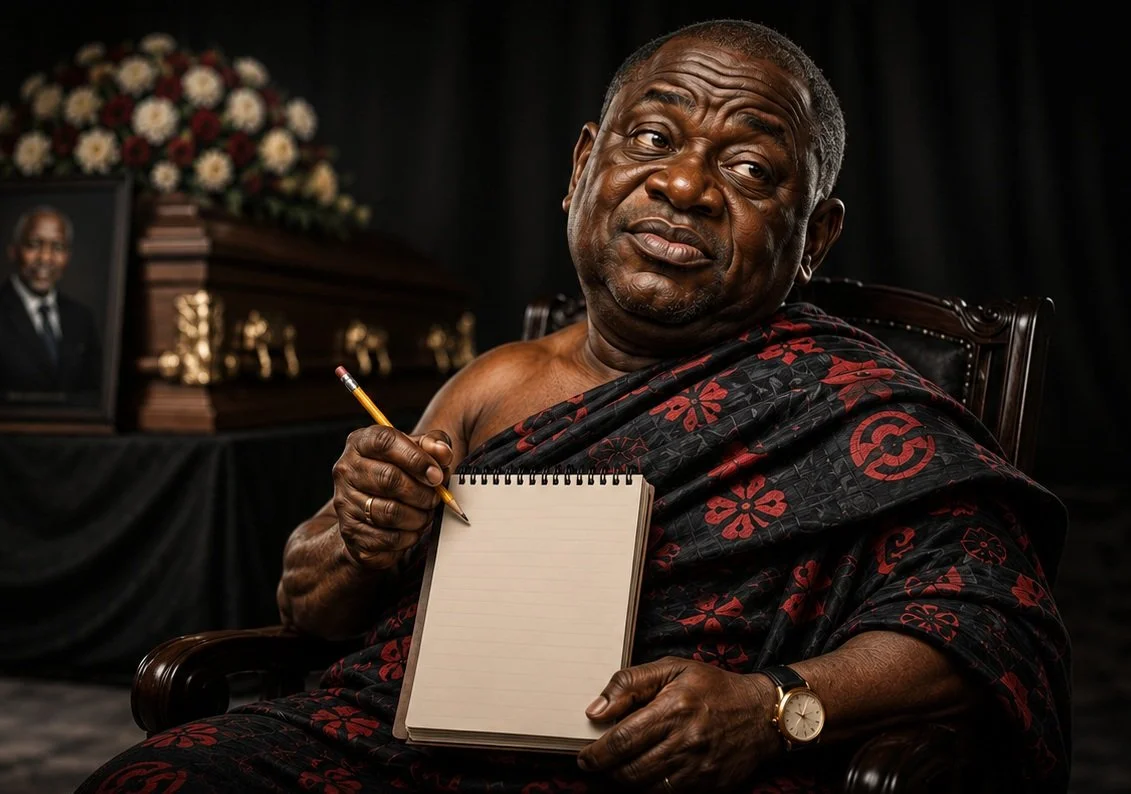
Are Ghana's Large Funerals a Cultural Asset or an Economic Burden?
.Ghana's funeral culture is admired across Africa. But is it becoming too expensive for the country's future?
Subscribe to our newsletter.
Sign up with your email address to receive news and updates.