One Week After the Accra Floods: Counting the Cost and Building a More Resilient Ghana
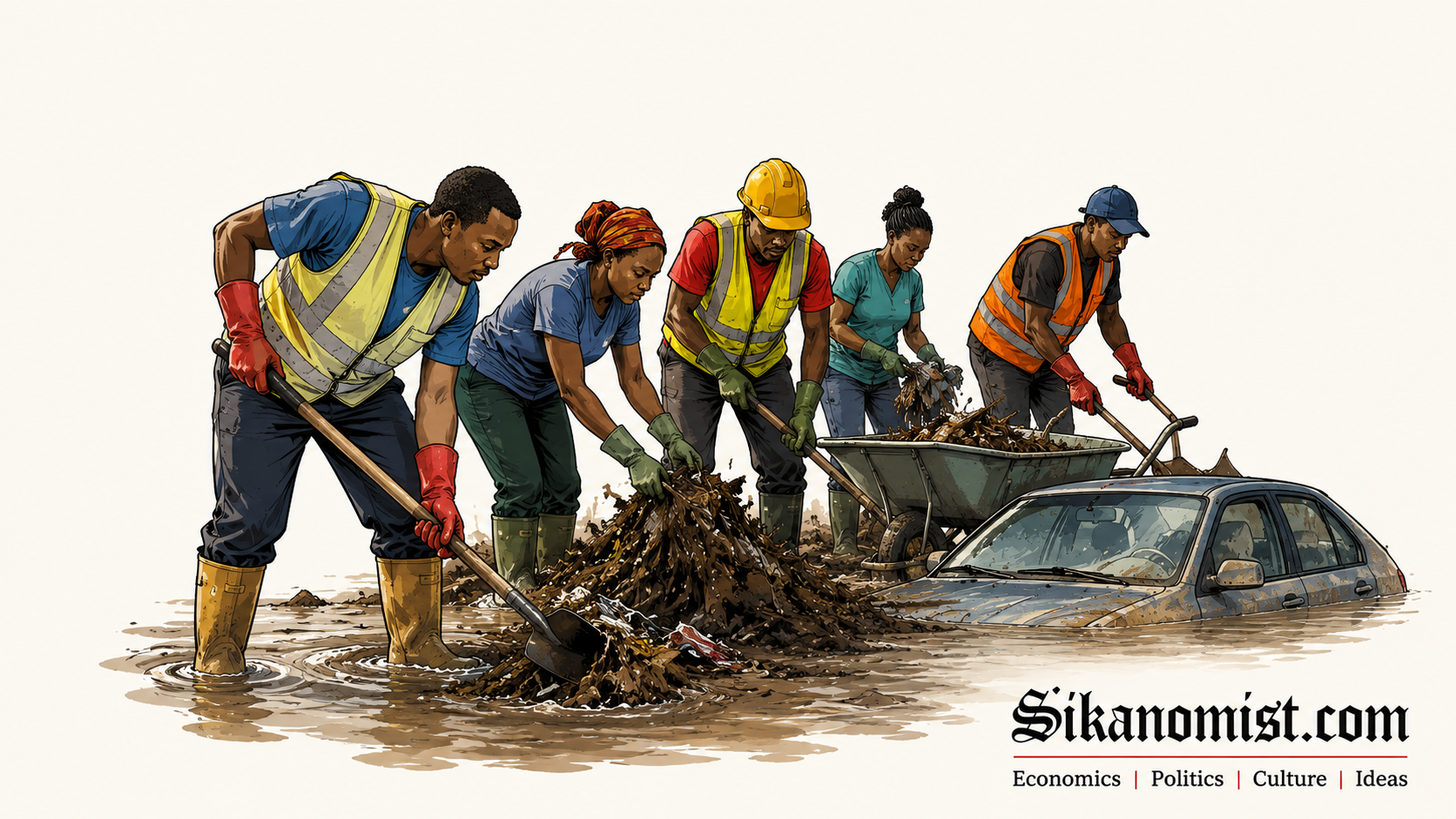
Heavy rainfall is a natural part of Ghana's climate, but the destruction that often follows is not inevitable. One week after the devastating floods that affected parts of Accra, many families are still mourning loved ones, businesses are clearing away damaged stock, and communities are trying to return to normal. While floodwaters may disappear within hours or days, the economic and emotional consequences can remain for months or even years.
Every life lost is a tragedy that cannot be measured in financial terms. Families have lost parents, children, relatives and friends. Homes that once provided safety have been damaged or destroyed. Vehicles have been swept away, household belongings ruined and treasured possessions lost forever. For those affected, recovery is about much more than rebuilding walls; it is about rebuilding lives.
Businesses have also paid a heavy price. Shops, warehouses, restaurants, workshops and small enterprises have suffered damage to buildings, equipment and inventory. Many entrepreneurs who invested years of savings into growing their businesses now face the difficult task of replacing stock, repairing premises and serving customers with limited resources. Some businesses may never fully recover, while others will require months before returning to normal operations.
The wider economy also bears the cost. Floods interrupt transport, delay deliveries, damage roads and bridges, reduce productivity and increase insurance claims where cover exists. Public funds that could have supported education, healthcare or economic development are instead redirected towards emergency response, repairs and reconstruction. These are hidden costs that affect every taxpayer, whether directly impacted by the floods or not.
Climate scientists have warned that extreme weather events are becoming more frequent in many parts of the world. Ghana cannot prevent heavy rainfall, but it can reduce the damage such events cause. This requires long-term planning, disciplined enforcement of regulations and sustained investment in infrastructure rather than temporary solutions after each disaster.
One of the most important priorities is improving urban drainage systems. As cities expand, drainage infrastructure must expand alongside them. Drains should be properly designed, regularly maintained and kept free from waste. A blocked drain may appear to be a minor inconvenience on an ordinary day, but during heavy rainfall it can become the difference between a functioning community and a flooded neighbourhood.
Land-use planning is equally important. Building on waterways, wetlands and flood plains increases the risk of disaster. Development should follow sound planning principles that protect both people and the environment. This requires consistent enforcement of building regulations while providing practical alternatives for communities that need safe and affordable housing.
Waste management also deserves greater attention. Plastic waste and other debris frequently block drains and waterways, reducing their ability to carry stormwater away safely. Keeping cities clean is not only an environmental responsibility but also an economic one. Every blocked drain increases the risk of costly flooding.
Technology can also play a greater role. Modern flood forecasting, rainfall monitoring and early warning systems allow authorities and residents to prepare before severe weather arrives. Better information saves lives, protects businesses and reduces economic losses.
Businesses themselves should also strengthen their resilience. Important records should be backed up digitally, insurance should be considered where available and affordable, and business continuity plans should be developed for emergencies. Preparing for risk is becoming an essential part of modern business management.
The floods also remind us that infrastructure is an investment, not an expense. Well-designed roads, bridges, drainage channels, retention ponds and flood-control systems cost money to build, but they protect lives, preserve businesses and reduce far greater losses in the future. Every cedi invested in prevention can save many more cedis that would otherwise be spent on disaster recovery.
There is also an opportunity to rethink how Ghana develops its cities. Future urban planning should place greater emphasis on resilience, green spaces, water retention areas and modern drainage networks that can cope with growing populations and changing weather patterns. Cities that are designed to manage water effectively are not only safer but also more attractive to investors and businesses.
One week after the floods, the immediate headlines may begin to fade, but the lessons must not. Recovery is essential, but prevention is even more important. Ghana should not allow each flood to become another chapter in a recurring story of loss and reconstruction. Instead, every disaster should strengthen the country's determination to build smarter, plan better and invest more wisely.
The true measure of a nation is not only how it responds to tragedy, but also how well it learns from it. If the painful experiences of the past week lead to stronger infrastructure, better planning and greater public responsibility, then Ghana can honour those affected by building safer communities for future generations.
Reader Question
What is the single most important action Ghana should take to reduce the impact of future floods: better drainage, stricter planning enforcement, improved waste management, more flood-control infrastructure or stronger public education? Why?