
The Proposed Ghanafo Compact
The Ghanafo Compact is a proposed 25-year national development plan to mobilise and invest at least GH₵5 trillion in Ghana’s economy to create jobs, raise incomes and improve everyday life.
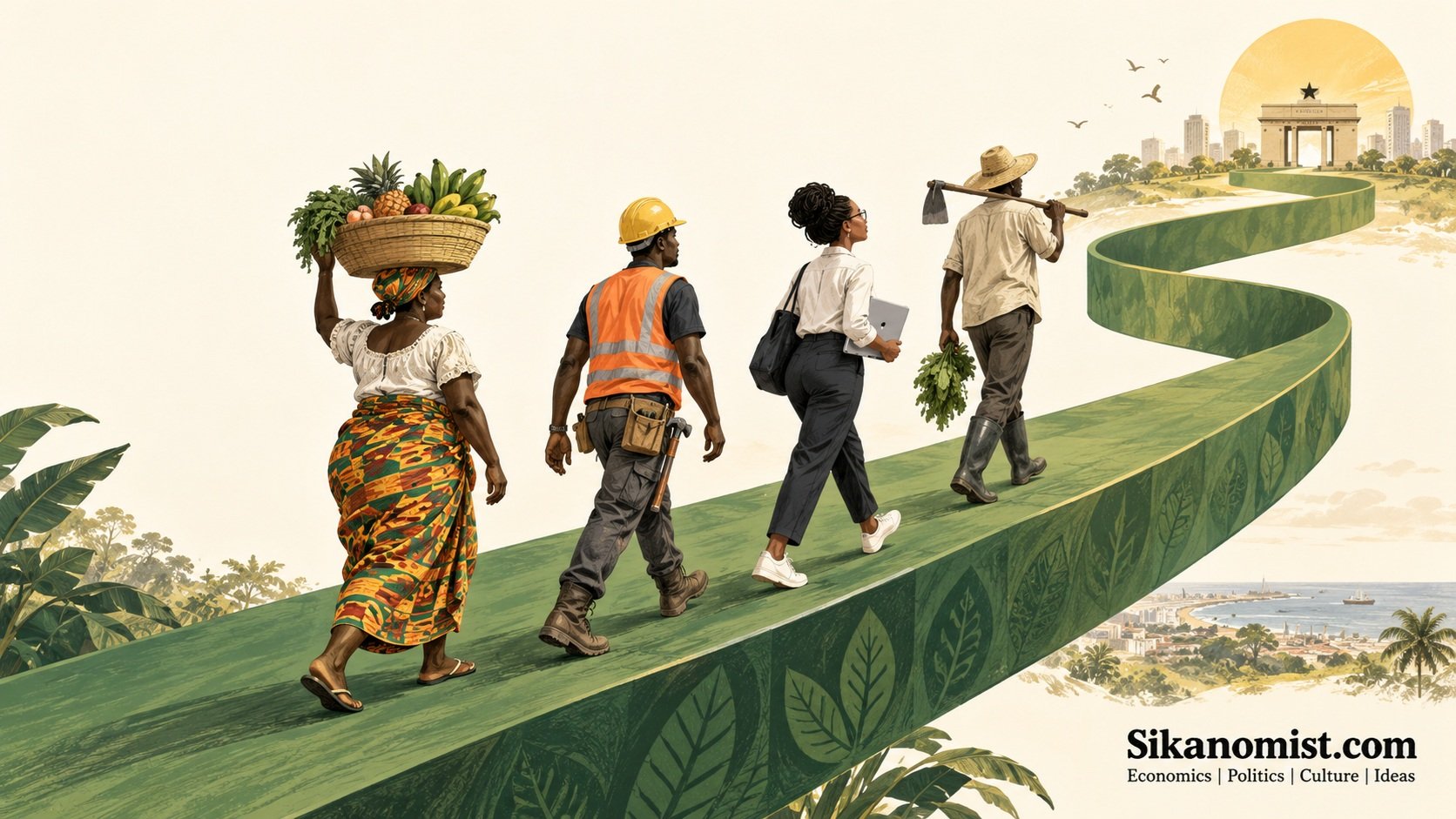
Ghana’s Economy Is Growing. How Can More Ghanaians Grow With It?
Ghana’s economy grew by 6.0% in the second quarter of 2026. Turning that expansion into wider prosperity requires productive jobs, stronger small businesses and investment in food, housing, transport and the everyday needs of people living in Ghana.
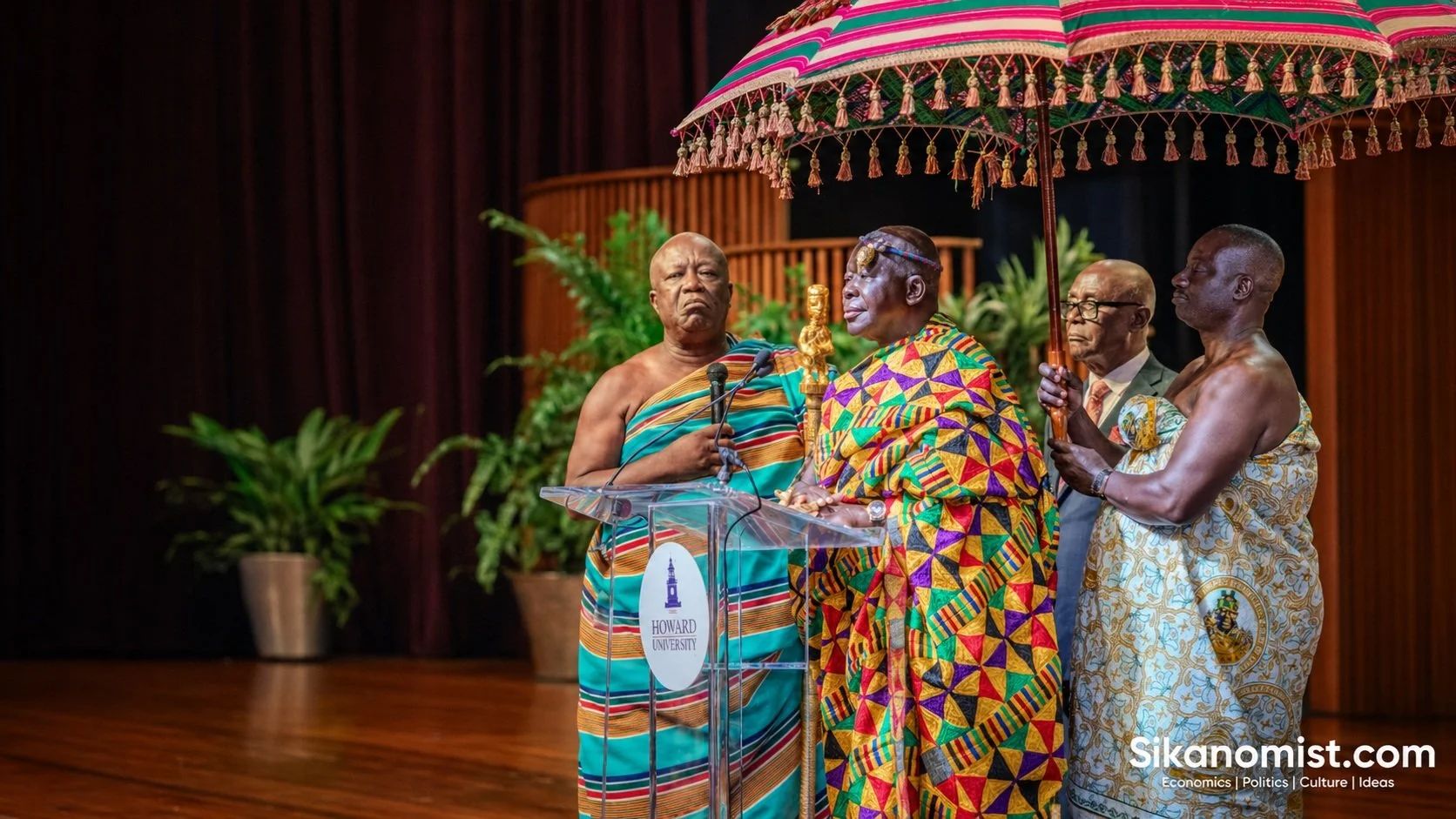
The Asantehene at Howard: Diaspora Pride Must Build Lasting Institutions
The Asantehene’s Howard University address challenged Ghana to turn cultural reconnection and diaspora pride into lasting educational, professional and economic institutions.

Dolly Parton Is Gone, but Her Kindness Remains—Ghanaian Stars Should Study Her Legacy
Dolly Parton turned talent and celebrity into something larger than personal success. Through songwriting, business, literacy programmes and support for scientific research, she showed how fame can become lasting public service. Her legacy challenges Ghanaian stars to build institutions that continue serving others after the applause ends.
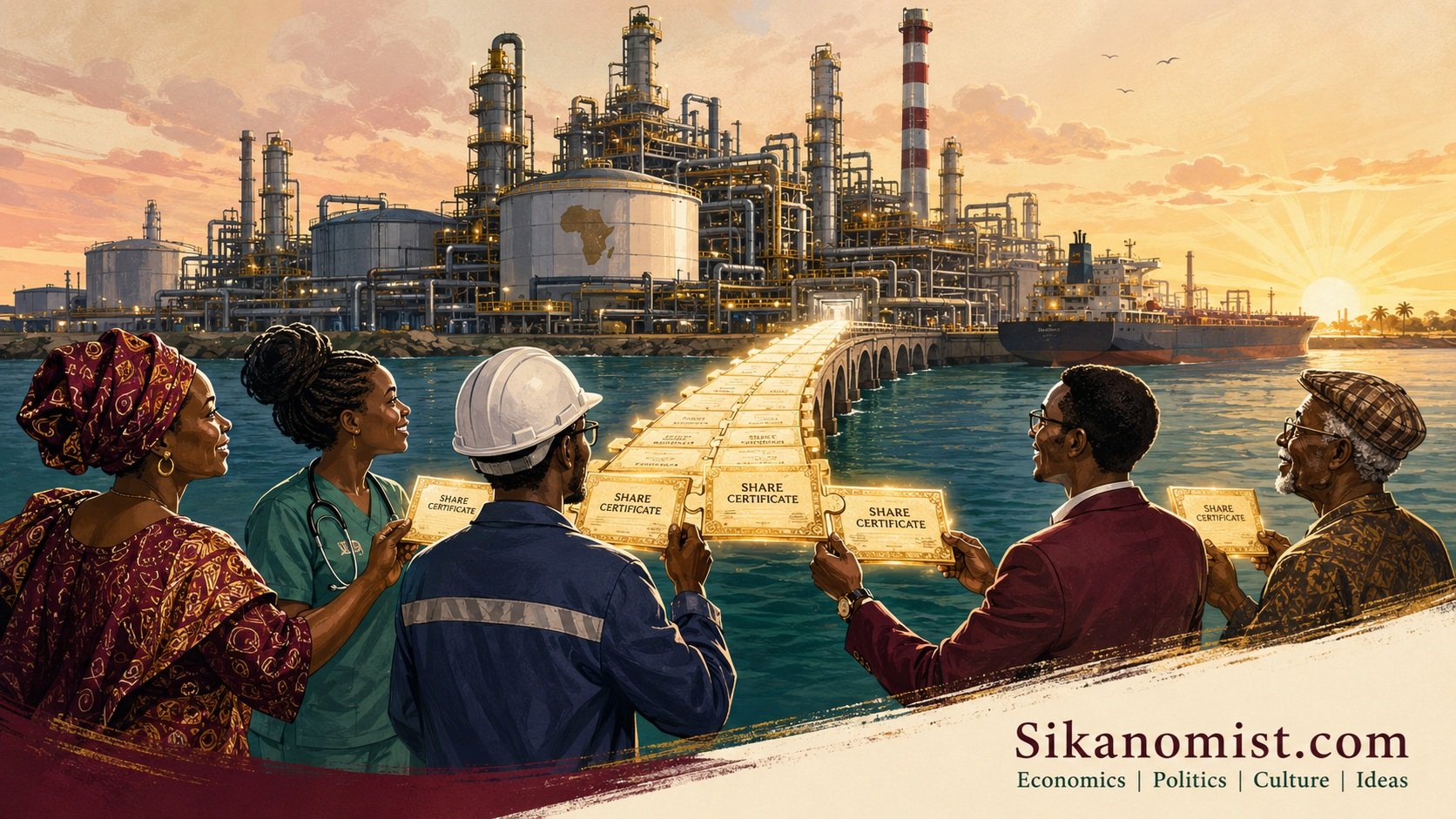
Dangote’s IPO Could Open a New Age of African Industrial Ownership
Dangote Group has demonstrated that African enterprise can build industry on a global scale. Its proposed refinery IPO could now broaden public ownership, mobilise African savings for productive investment and challenge Ghana to build industrial companies that other Africans will also want to own.
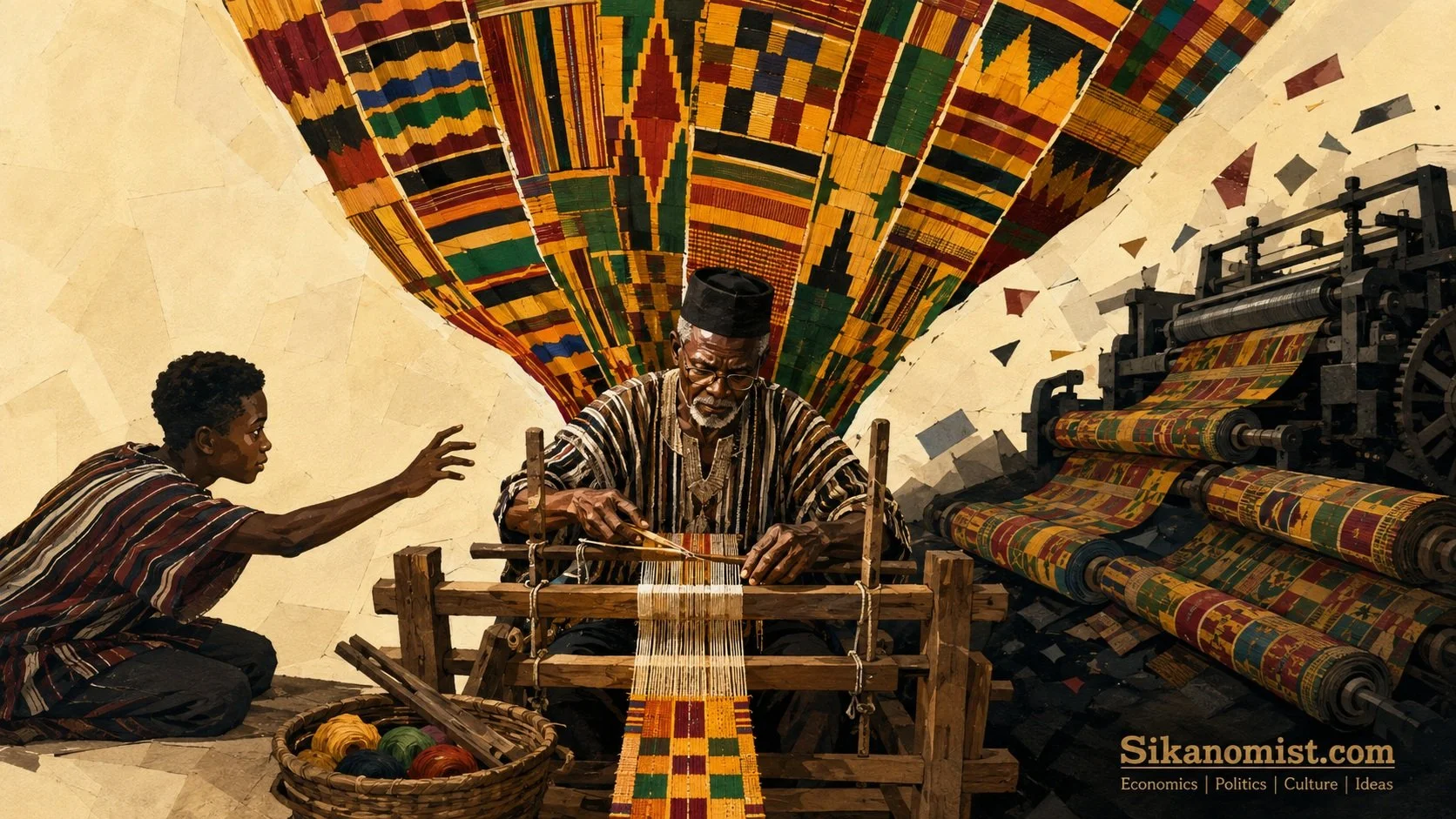
Ghana Must Protect the Weaver Behind the Kente
Ghana celebrates Kente as a symbol of identity, dignity and African pride, yet the traditional weavers behind it face rising costs, mass-produced imitations and weak protection for their designs. Preserving Kente requires Ghana to protect the artisans, knowledge and communities that keep the tradition alive.
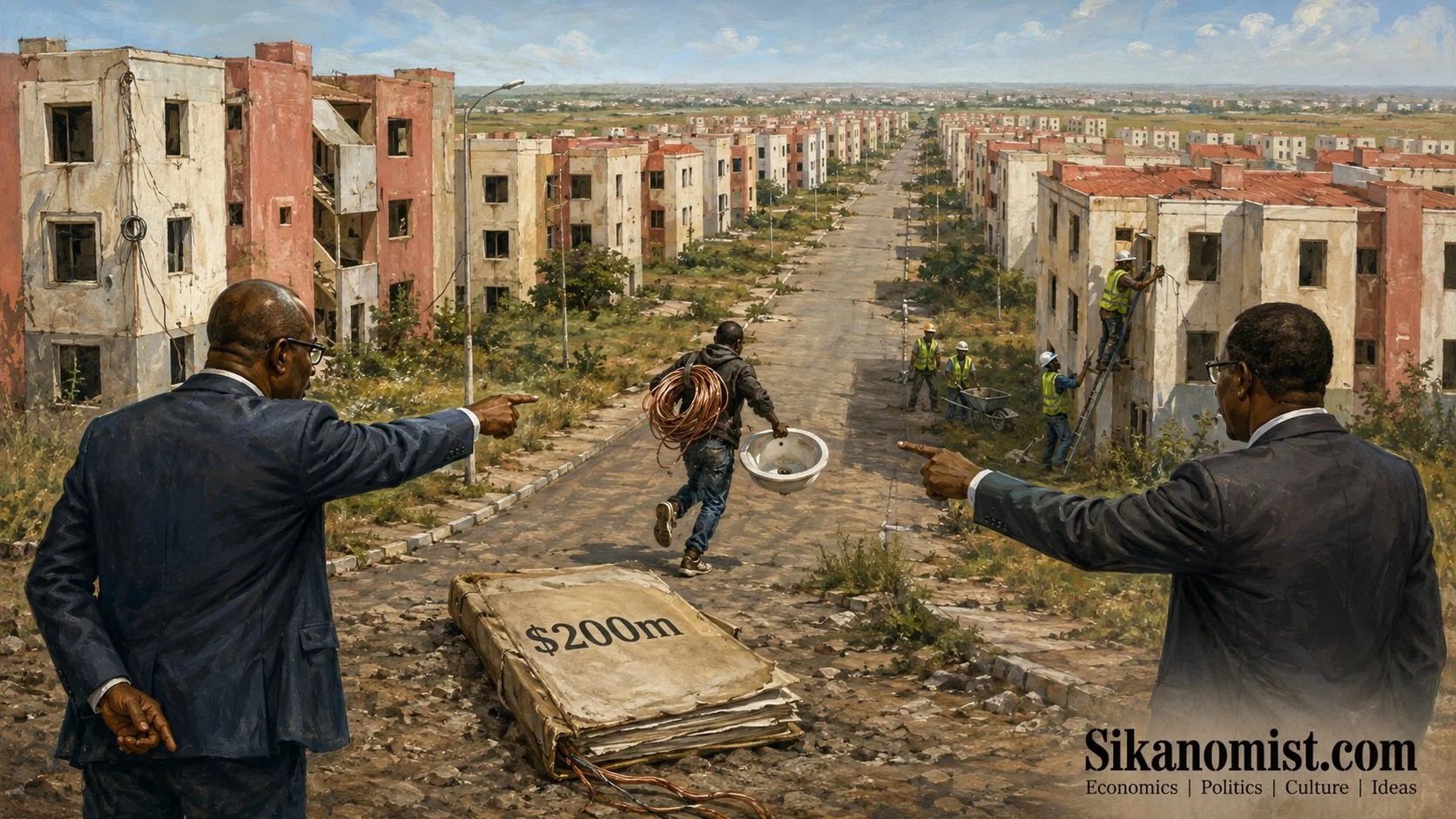
Saglemi and the Blame Game: The State Failed Before the Looters Arrived
Completing Saglemi is welcome, but blaming those who stole fittings cannot conceal the political and administrative failures that left a US$200 million public investment unfinished and exposed. Both NDC and NPP administrations must account for the project, its loan repayments and years of abandonment.
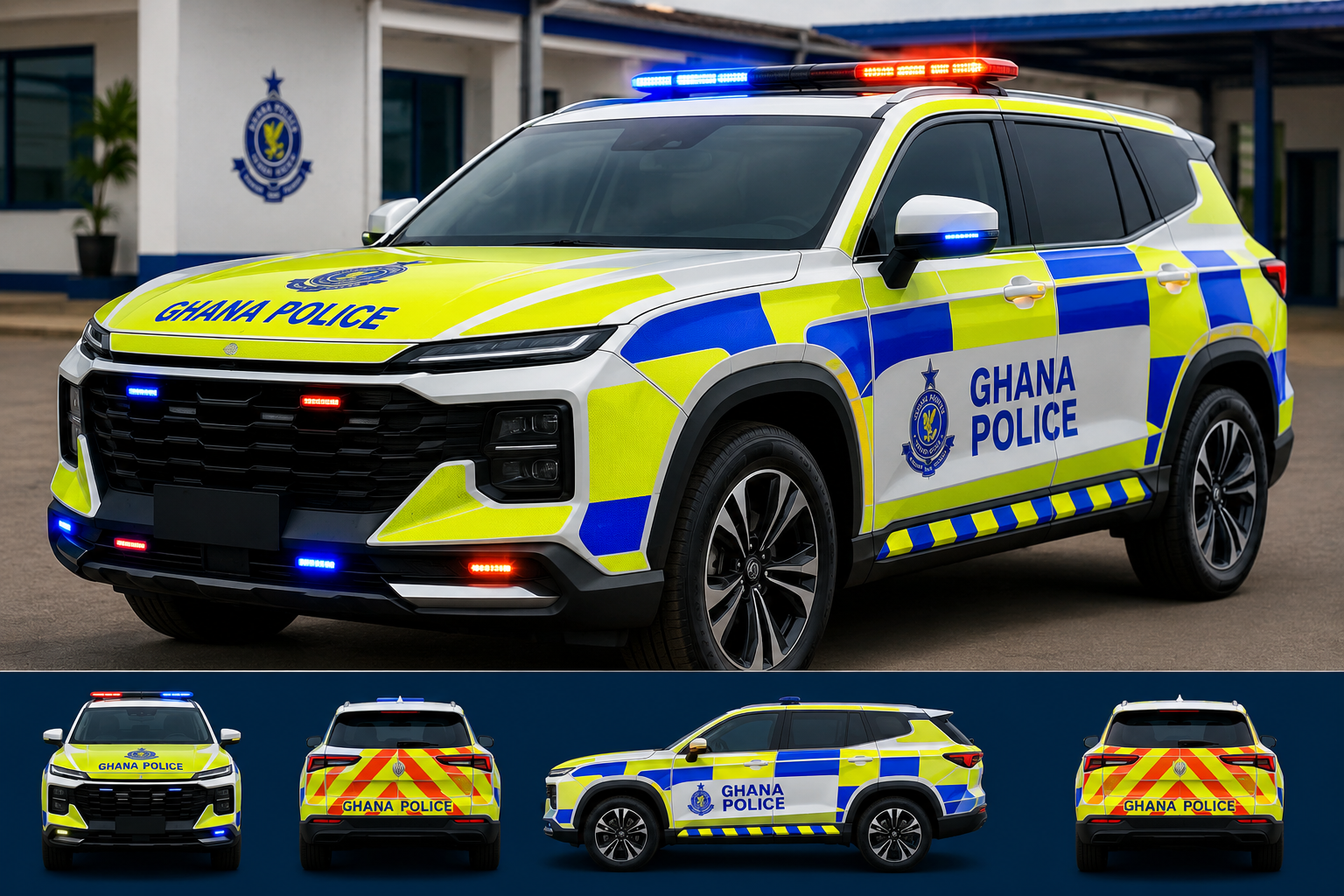
Why Ghana Police Vehicles Should Be Brighter and More Visible
Discover how brighter vehicle colours, reflective markings and modern emergency vehicle designs can improve officer safety, reduce roadside accidents and strengthen public confidence in the Ghana Police Service.
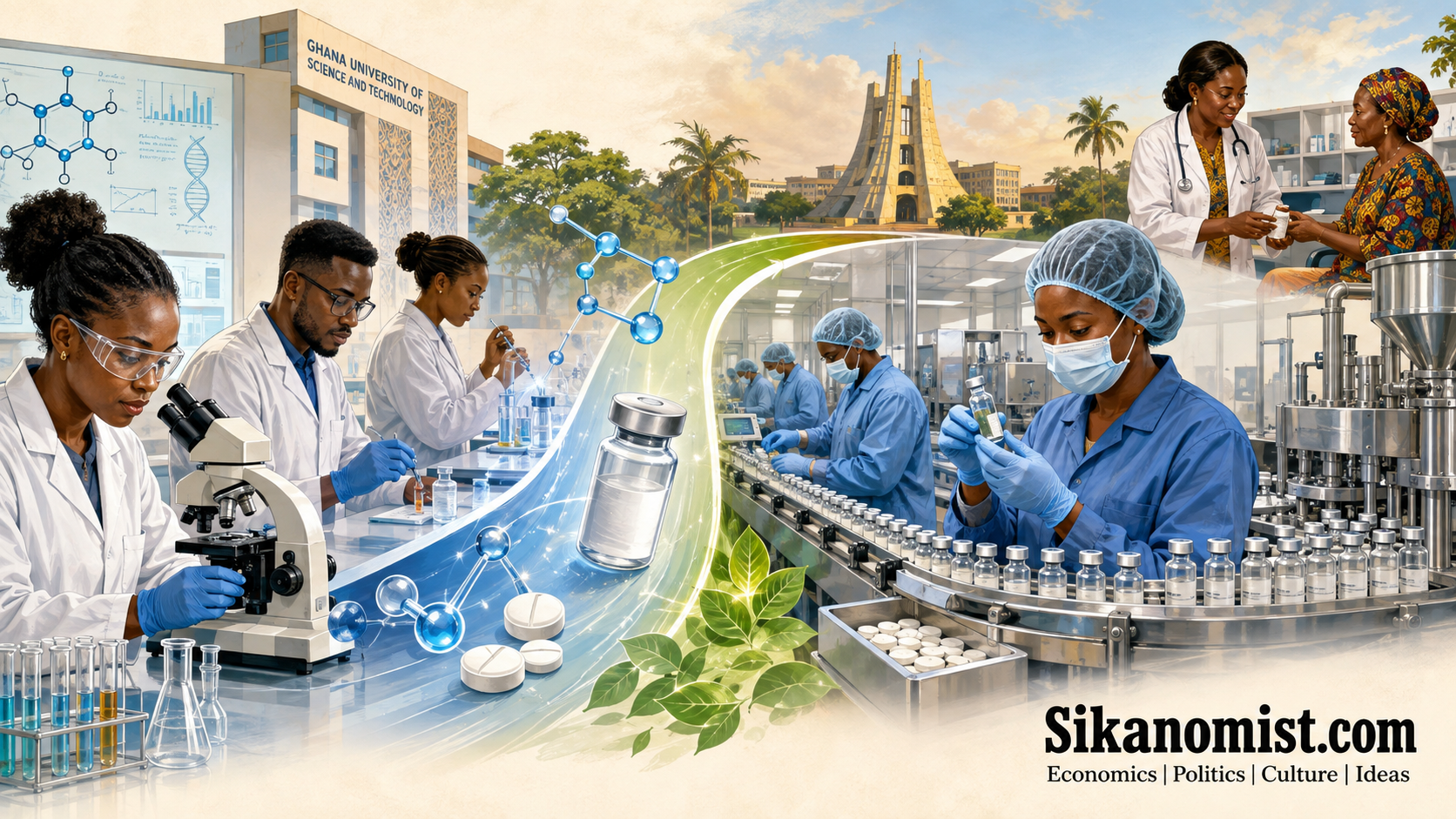
Ghana Must Turn Research into Medicines, Jobs and Industry
Ghana possesses the scientists, universities and pharmaceutical companies needed to solve important health problems. The country must now build a reliable path that turns promising research into approved medicines, competitive factories, skilled employment and better healthcare.
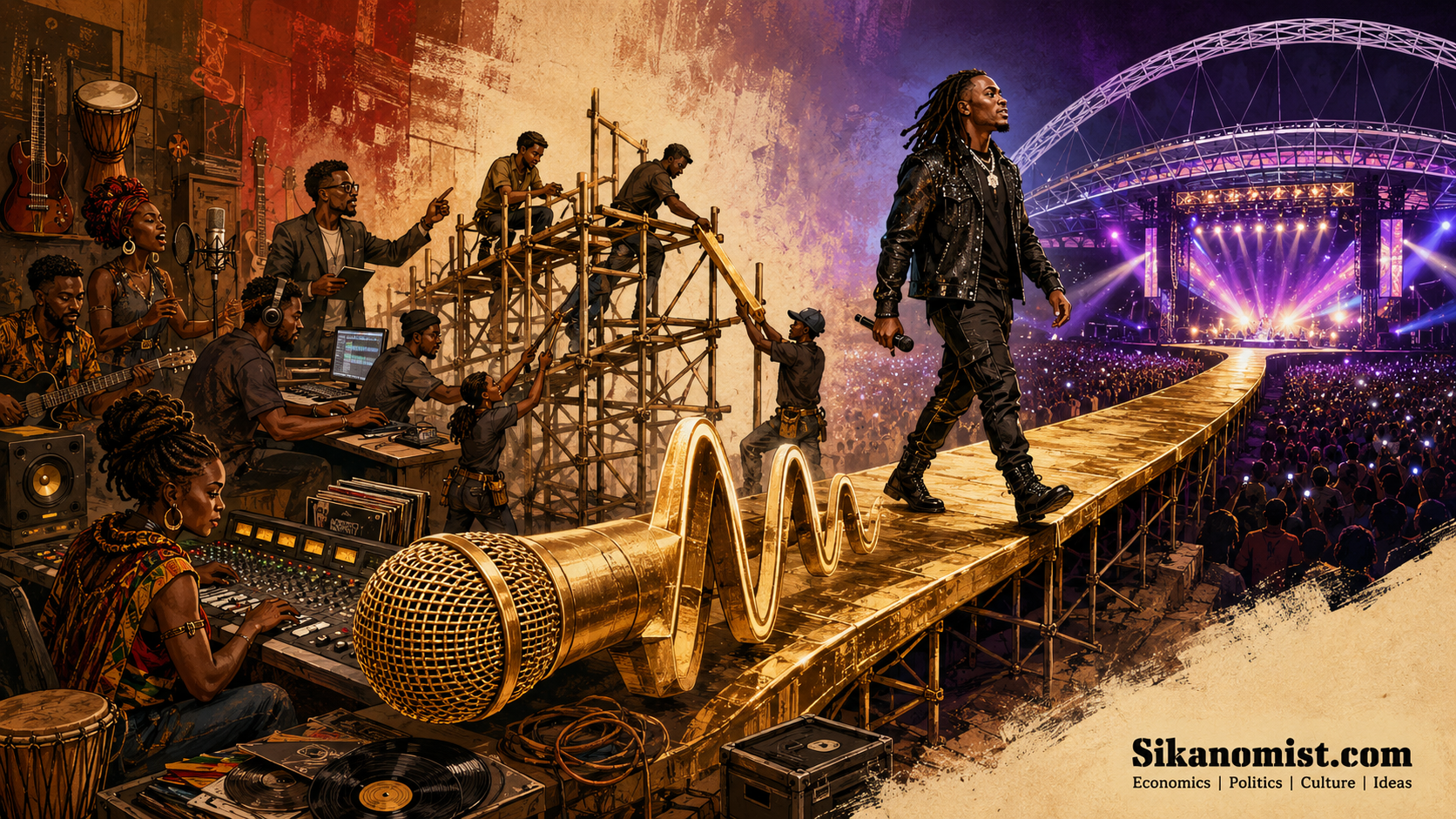
Stonebwoy at Wembley Is a Victory—But Ghana Must Build an Industry Bigger Than Its Stars
Stonebwoy’s historic BHIM Festival at London’s OVO Arena Wembley demonstrated the global power of Ghanaian music. But individual brilliance cannot substitute for a functioning creative industry. Ghana must build the management, royalty, production, financing and international-marketing systems capable of turning musical success into sustainable jobs and national prosperity.
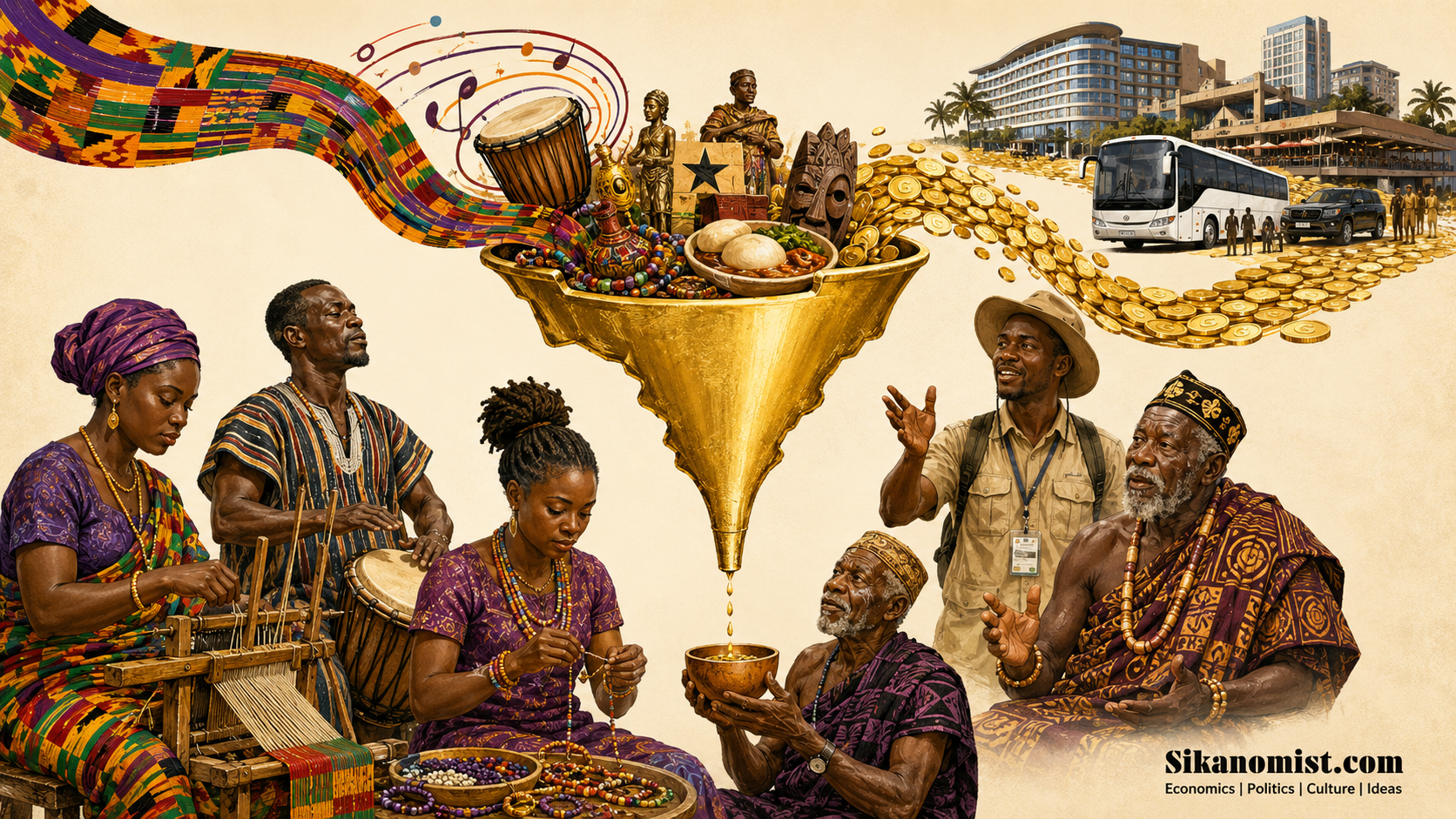
Ghana’s Culture Is Making Billions—But Is the Money Reaching Its Custodians?
Ghana’s tourism sector is attracting more visitors and generating billions of dollars, but national success cannot be measured by arrivals and revenue alone. The country must determine whether the communities, artists, artisans and traditional custodians who preserve its cultural attractions are receiving a fair share of the prosperity.
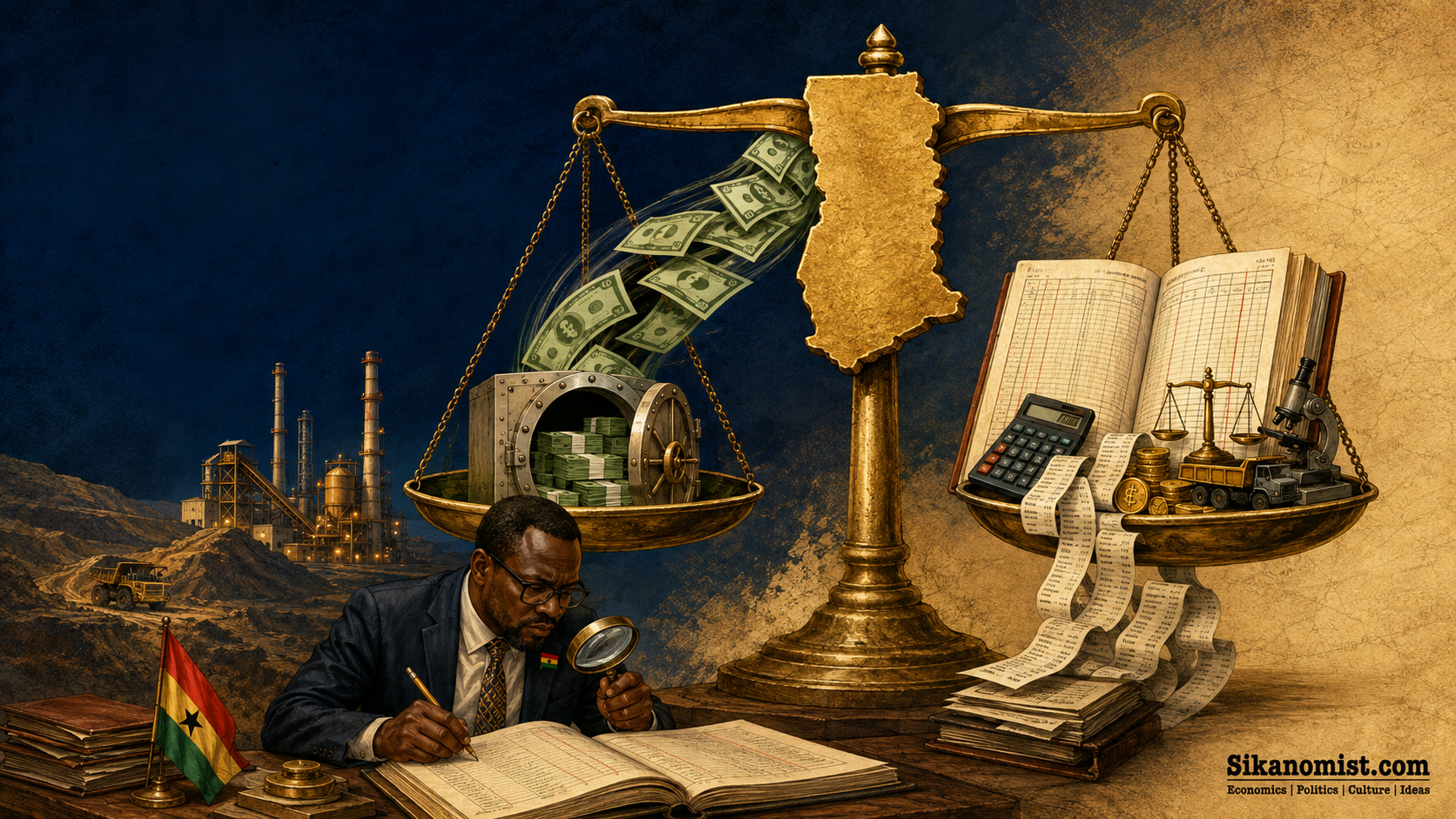
GoldBod Has Brought the Dollars—Now Ghana Must Count the Cost
GoldBod has helped bring more of Ghana’s gold trade and foreign exchange into the formal economy. But export earnings are not profits, GoldBod’s accounts are not the Bank of Ghana’s accounts, and economic stability does not eliminate the need to establish the programme’s complete public cost.
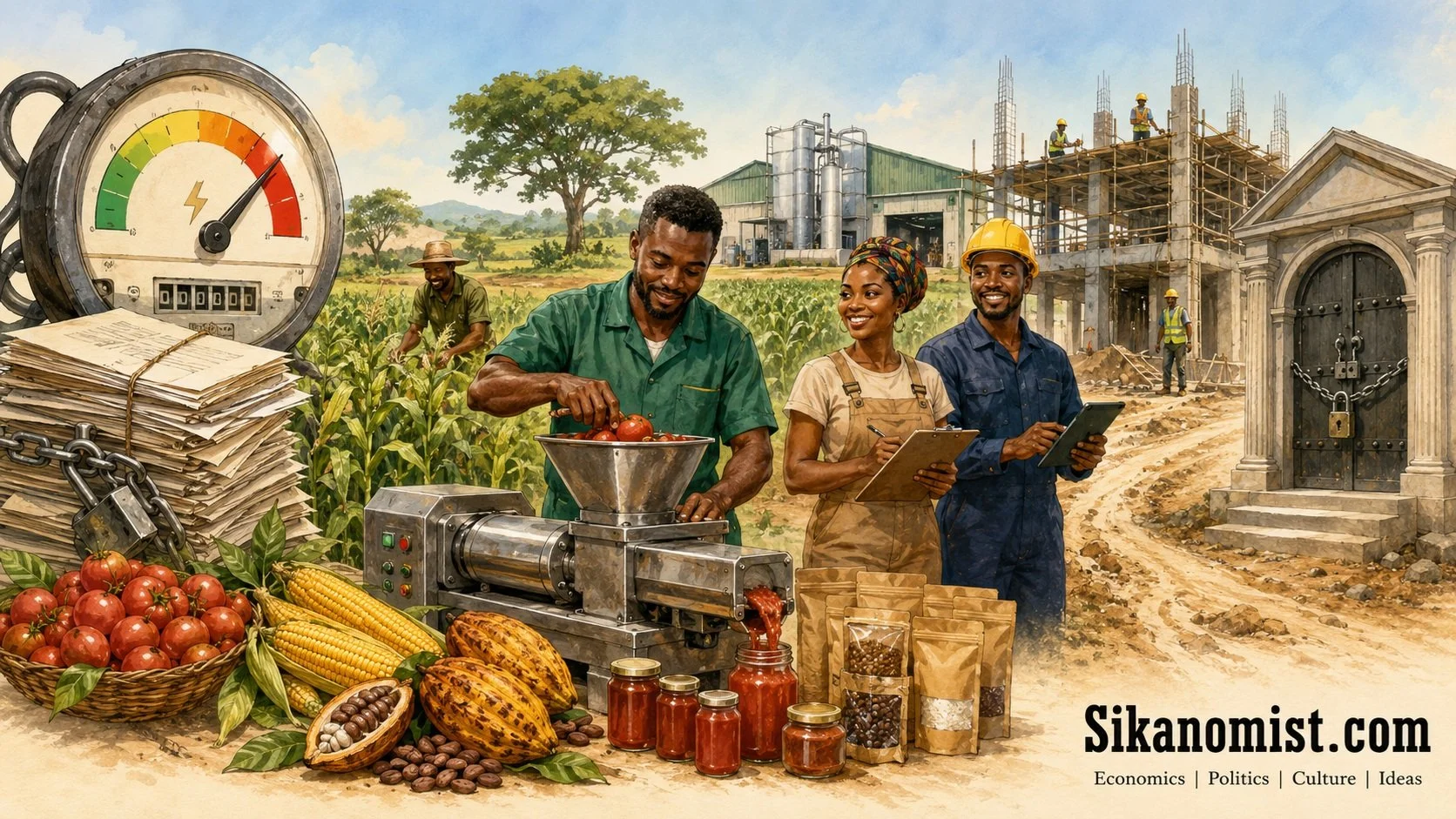
Ghana Cannot Create Jobs While It Remains Expensive to Produce
Ghana’s improving inflation, currency stability and economic indicators are important, but they will mean little unless they reduce the cost of farming, manufacturing and doing business. The country’s next economic test is to transform stability into greater production, stronger businesses and quality employment.
Ghana’s Constitution Must Not Be Changed in the Dark
Ghana’s proposed constitutional referendum must not become another contest between the NDC and NPP. The governing party must not control the process, and the opposition must not reject reforms merely for political advantage. Before voting, every Ghanaian must understand what is being changed, why it matters and how it could affect the country for generations.
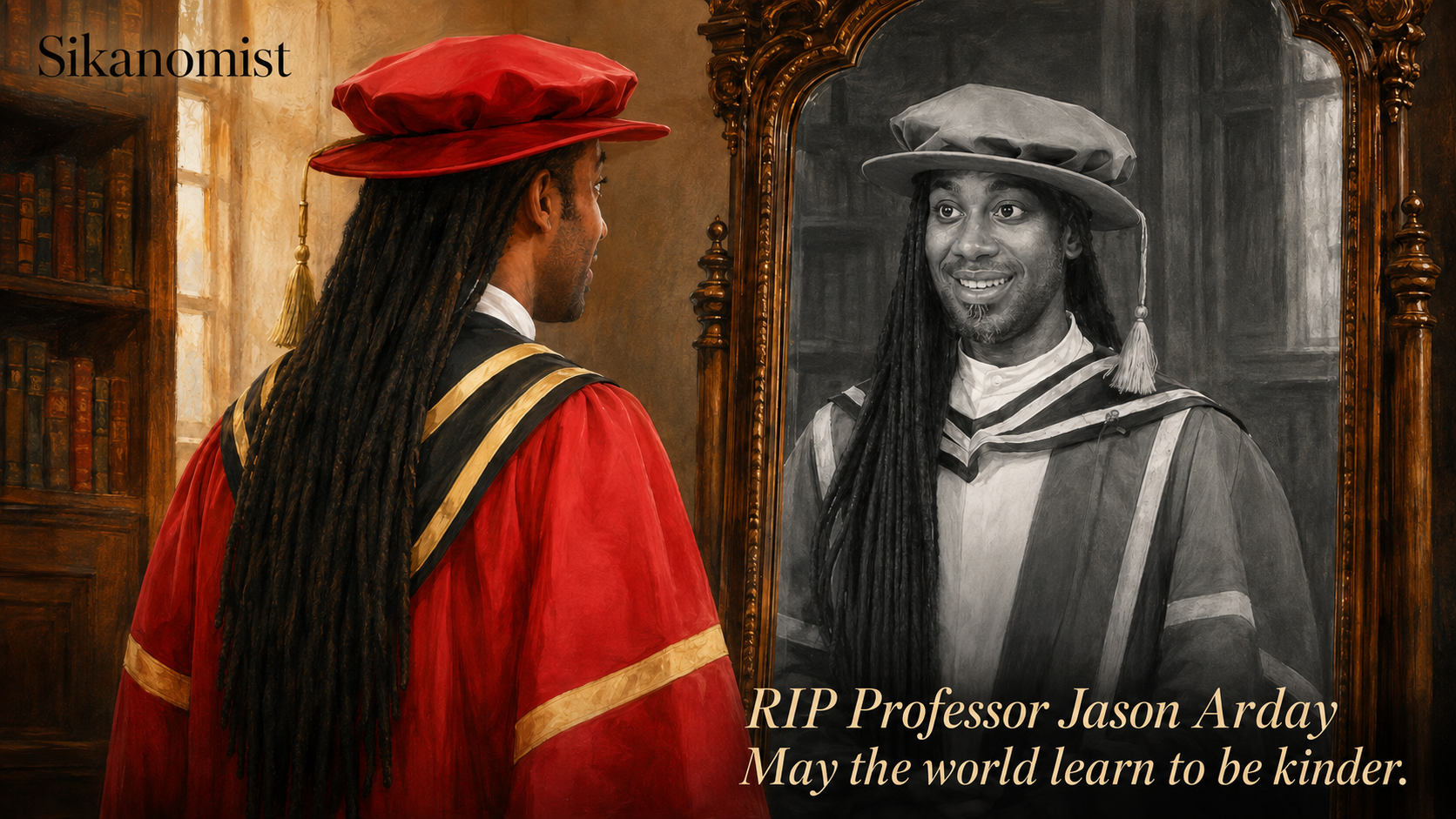
Jason Arday Is Gone. Ghanaians Abroad Must Learn to Stand Closer
The death of Professor Jason Arday should compel Ghanaians abroad to examine how well we support one another when celebration turns into controversy. A strong community must be present not only when one of its members succeeds, but also when that person is accused, overwhelmed, mistaken or falling apart.
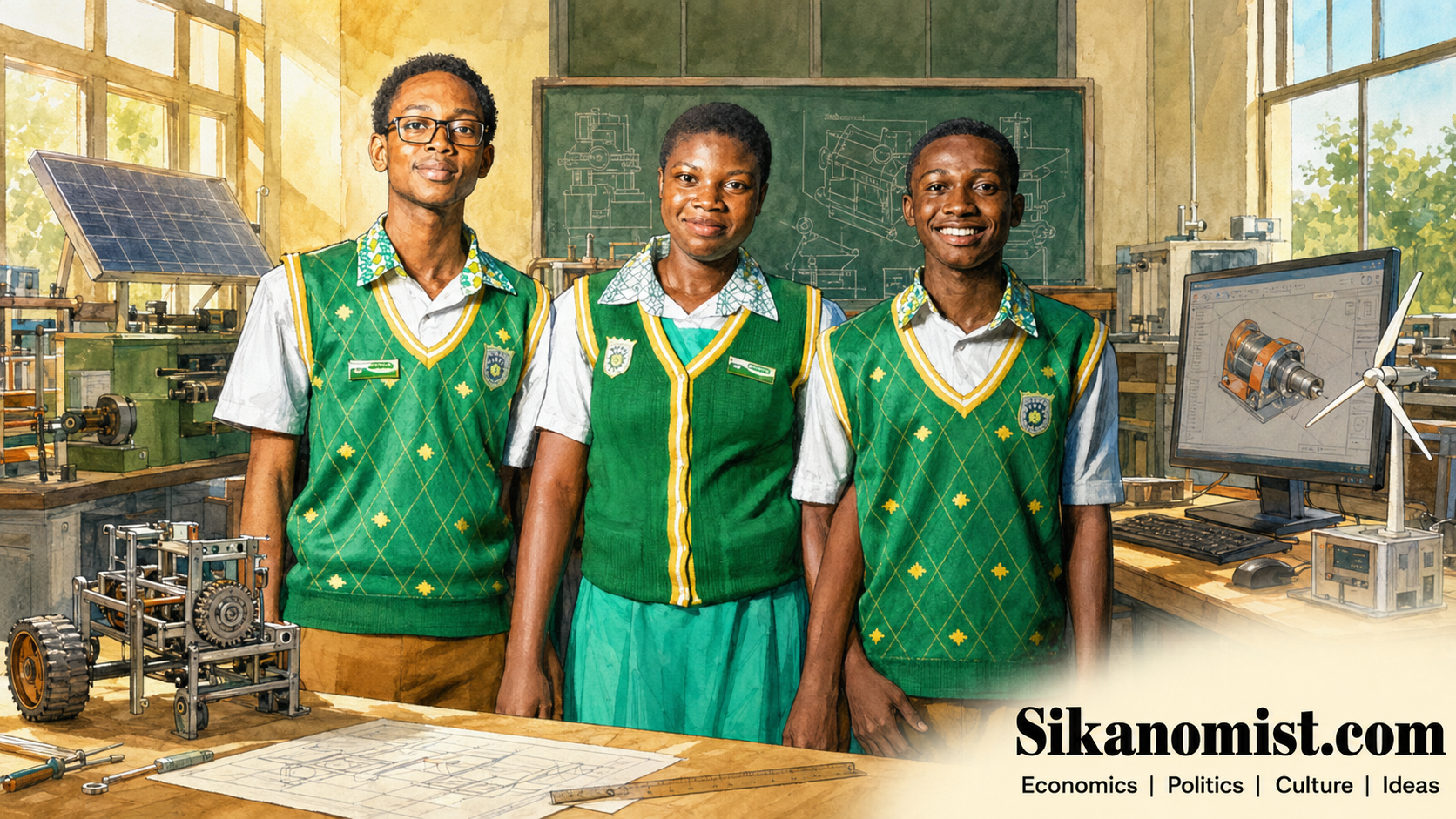
At 35, Kumasi Senior High Technical School Shows Ghana the Education It Need
As Kumasi Senior High Technical School marks its 35th anniversary, its story offers Ghana more than an occasion for celebration. It reminds us that secondary education must unite academic knowledge, technical competence, character and practical problem-solving if the country is to prepare young people for the future.
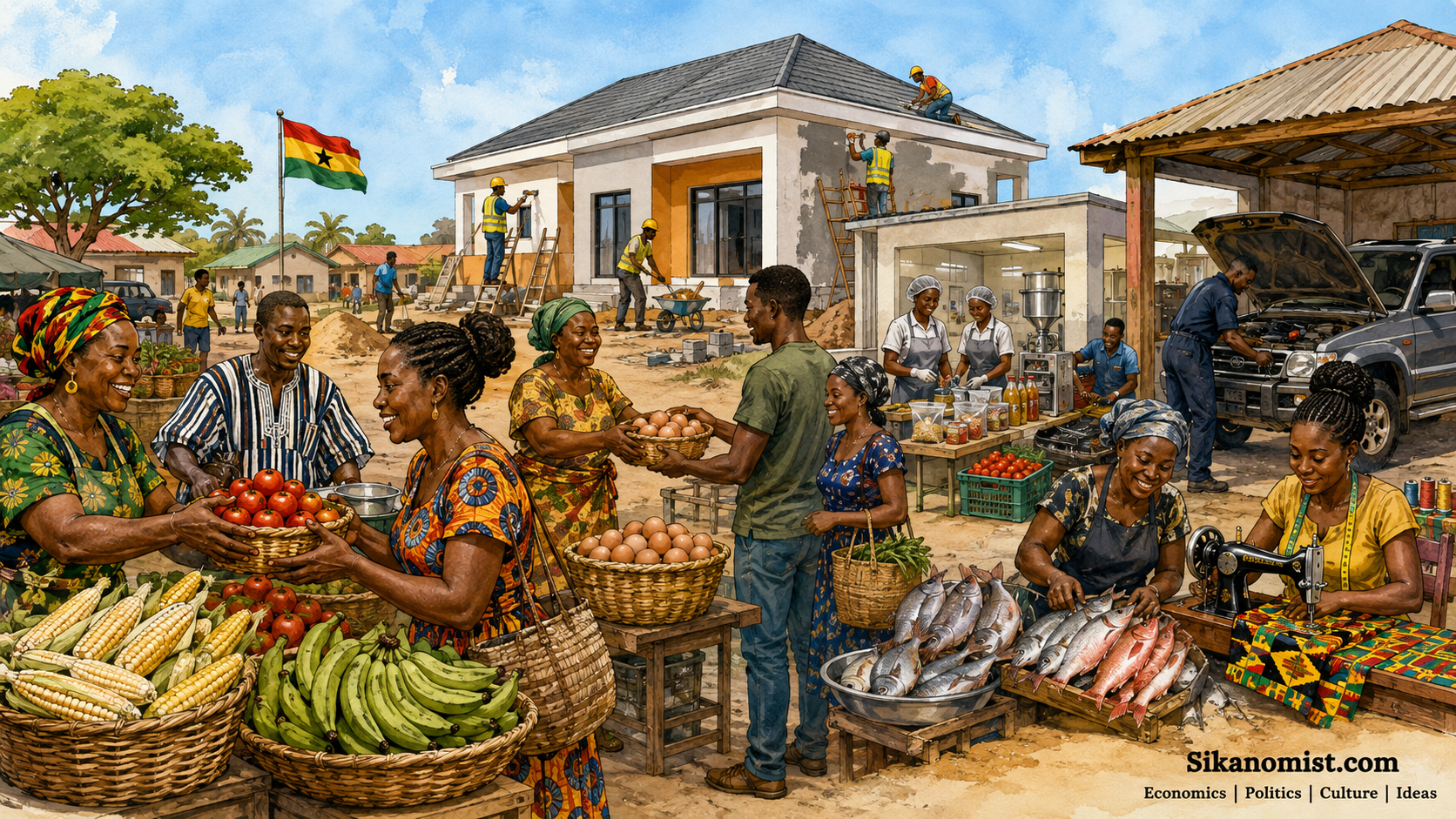
Ghana’s Economy Is More Than What It Exports
Ghana’s exports are important, but they are not the whole economy. The country’s economic strength must also be judged by the homes it builds, the food it produces, the services it provides and the opportunities it creates for everyone living within its borders.
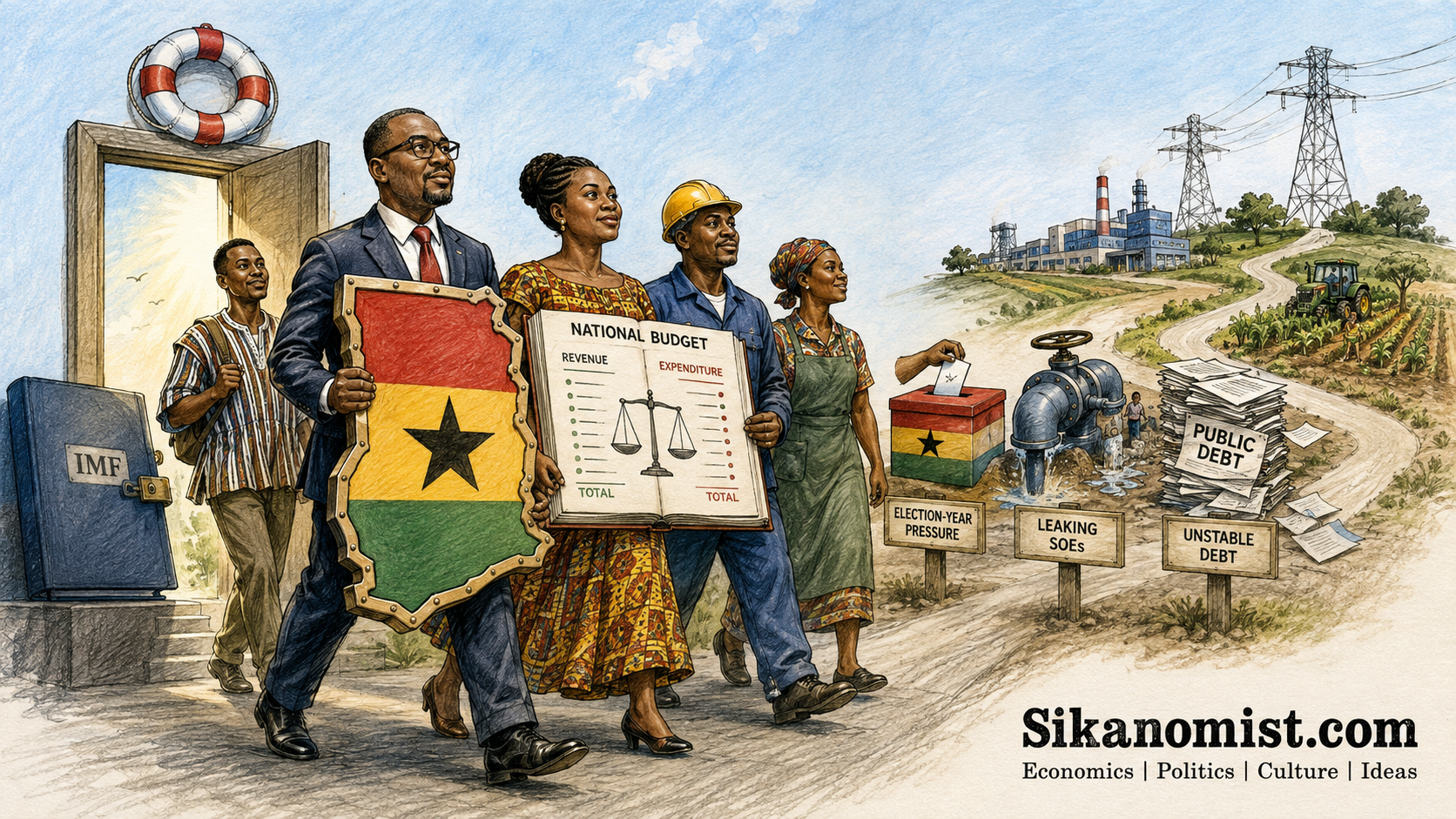
Ghana Has Completed Its IMF Bailout—But the Hardest Test Begins Now
Ghana has completed the final review of its US$3 billion IMF-supported programme after achieving lower inflation, stronger growth, improved reserves and a better debt outlook. But leaving the lending programme does not mean the country has escaped the habits that caused the crisis. The true test is whether Ghana can maintain discipline, protect institutions and create jobs without waiting for another economic emergency.
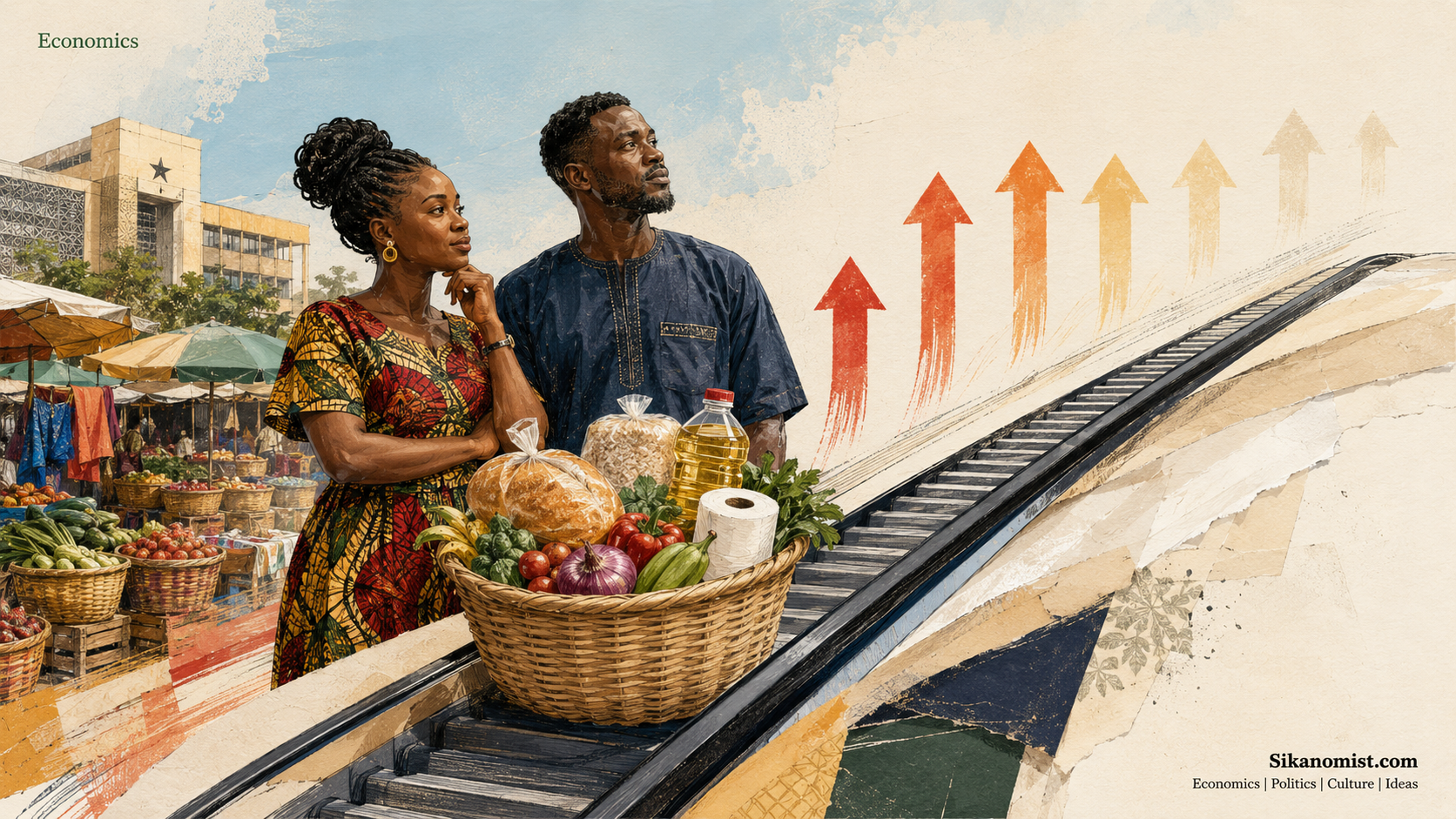
Inflation Is Falling, but Prices Are Not Going Backwards
Ghana’s falling inflation is encouraging, but it does not mean prices are returning to their previous levels. This article explains the difference between slower price increases and falling prices—and why the real recovery will be measured by stronger purchasing power, affordable borrowing, better jobs and improved household living standards.
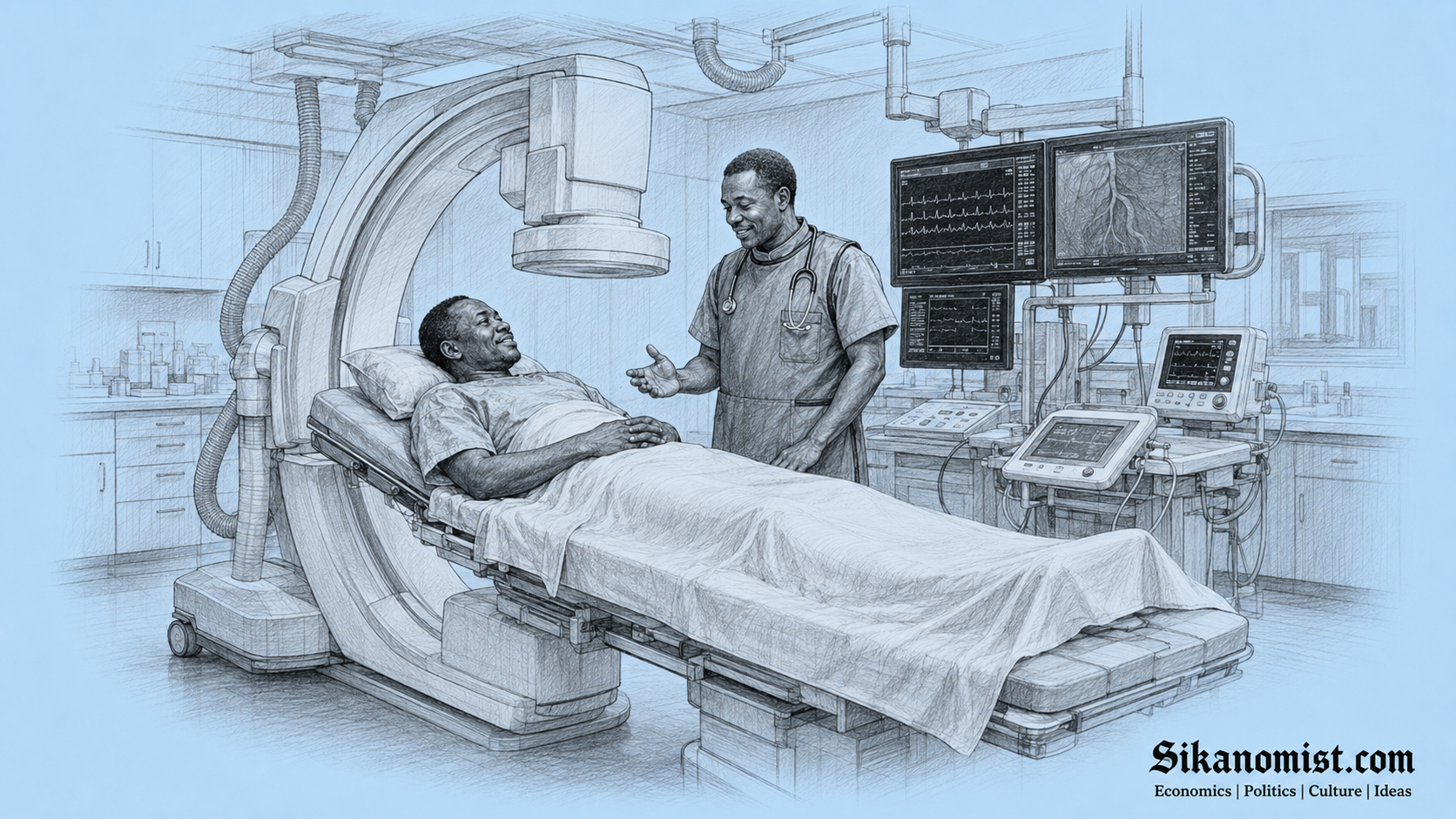
Save the Ghana Medical Trust Fund from Political Branding
The Ghana Medical Trust Fund could save thousands of lives, but the “MahamaCares” nickname risks politicising it. Here is why Ghana should retire the nickname and protect this vital national initiative.
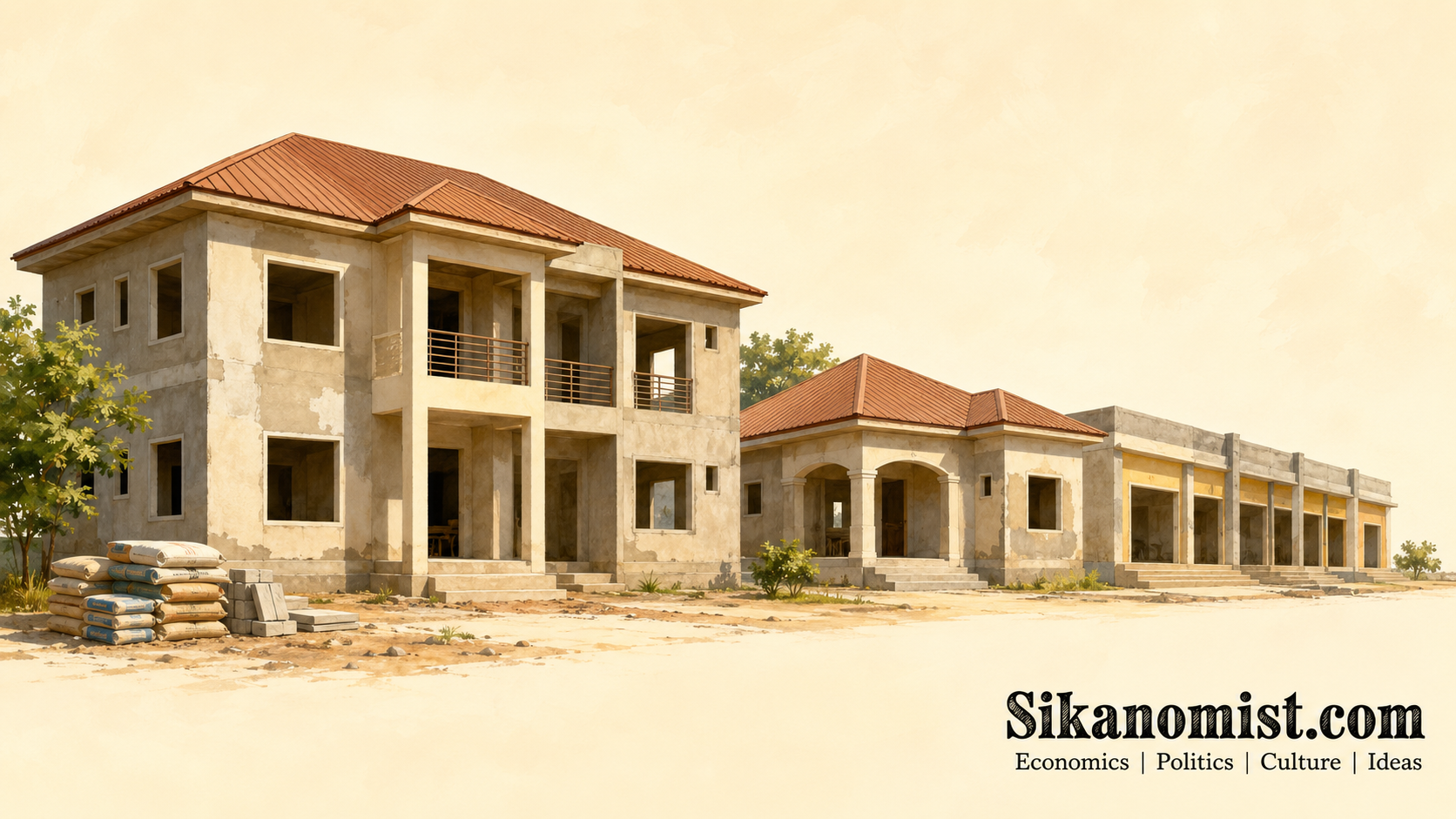
The Locked Capital in Ghana’s Economy
Across Ghana, hundreds of thousands of uncompleted buildings hold enormous private and public investment without providing accommodation or generating income. A disciplined completion-finance programme could unlock these dormant assets, increase housing supply, reduce pressure on rents and create thousands of jobs.
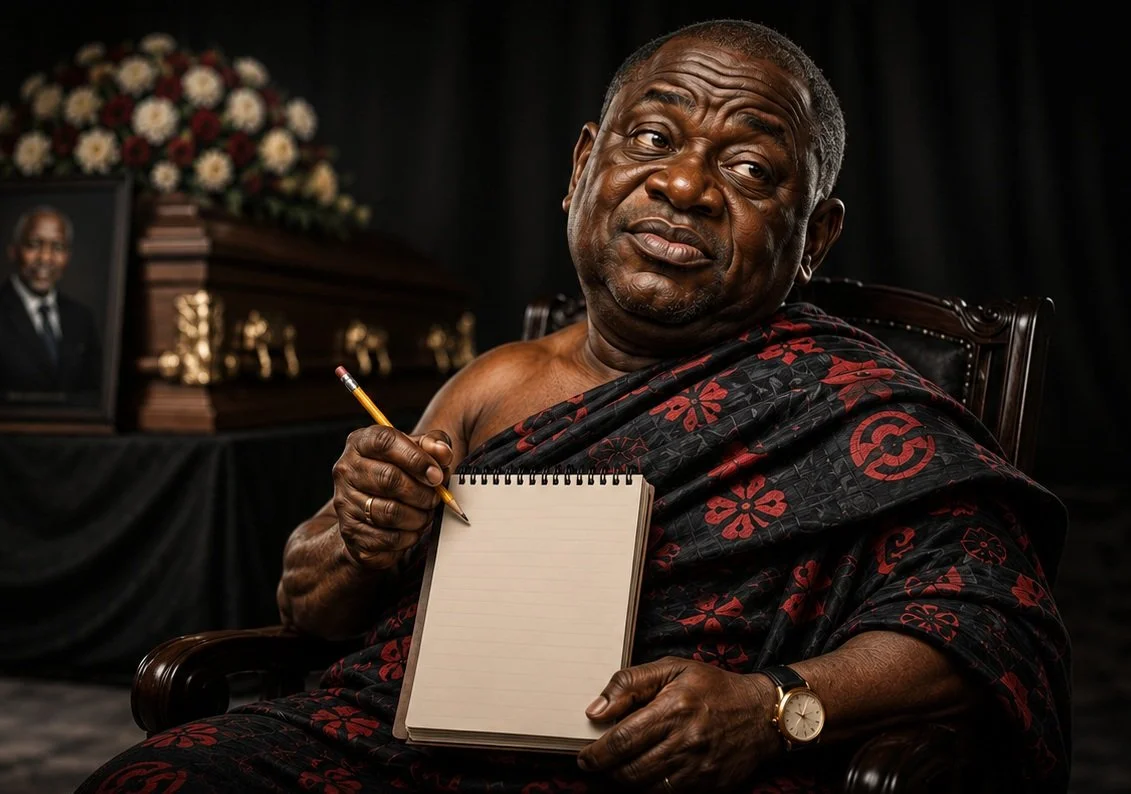
Are Ghana's Large Funerals a Cultural Asset or an Economic Burden?
.Ghana's funeral culture is admired across Africa. But is it becoming too expensive for the country's future?
Subscribe to our newsletter.
Sign up with your email address to receive news and updates.