Nana Ama Bonsu and the Continuing Strength of Asante Traditional Leadership
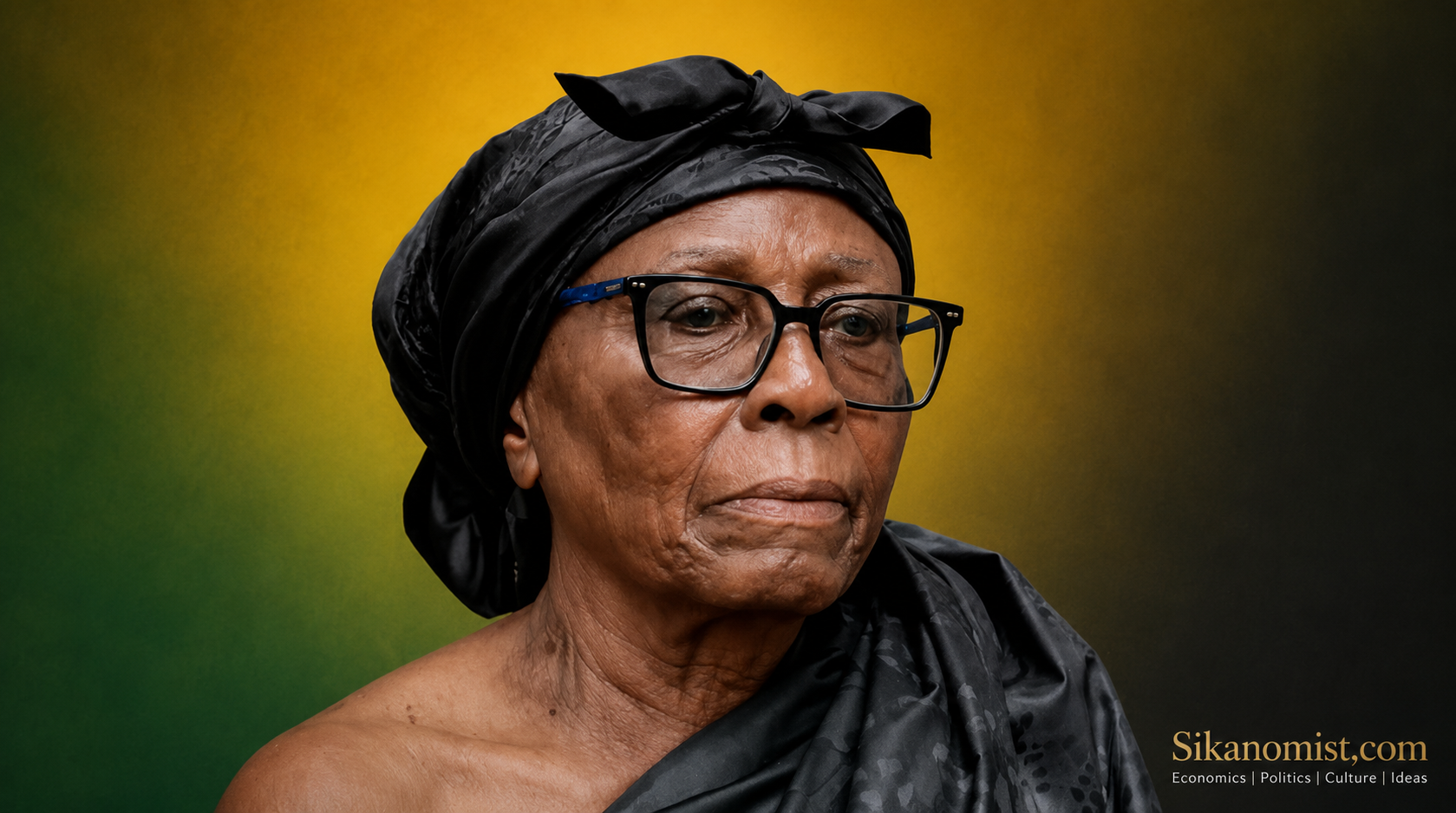
Nana Ama Bonsu, the new Asantehemaa
The Asante Kingdom has entered a new chapter with the official outdooring of Nana Ama Bonsu as the new Asantehemaa, the Queen Mother of Asante. According to the information made public, the traditional ceremony took place on Monday, July 6, 2026, at the Manhyia Palace in Kumasi, one of the most important centres of traditional authority in Ghana.
Her public presentation marks a significant moment in the history of Asanteman. Nana Ama Bonsu succeeds the late Nana Konadu Yiadom III, who served as the 14th Asantehemaa until her passing in 2025. With her outdooring, Nana Ama Bonsu becomes the 15th Asantehemaa, continuing a royal line that stretches back to the foundations of the Asante Kingdom.
The Asantehemaa is not an ordinary traditional title. It is one of the most respected and influential positions within Asanteman. The Queen Mother is a custodian of royal lineage, culture, womanhood and continuity. Her role is deeply connected to the identity of the Asante people and to the preservation of customs that have guided the kingdom for centuries.
One of the most important responsibilities of the Asantehemaa is her role in the selection and nomination of an Asantehene when the Golden Stool becomes vacant. This shows how central the office is to the political and spiritual life of the Asante Kingdom. The Asantehemaa does not only represent motherhood; she represents wisdom, legitimacy, memory and continuity.
Beyond the royal succession process, the Asantehemaa also plays an important advisory role in traditional governance. She supports the leadership of Asanteman, helps protect custom, and gives voice to the interests of women, children and the wider community. In a changing Ghana, such traditional institutions remain important because they connect modern society to its roots.
The outdooring of Nana Ama Bonsu also brings an end to the period of transition that followed the passing of Nana Konadu Yiadom III. Nana Konadu Yiadom III herself was installed by Asantehene Otumfuo Osei Tutu II after the passing of Nana Afia Kobi Serwaa Ampem II, the mother of the Asantehene and one of the longest-serving queen mothers in Asante history.
The continuity from Nana Afia Kobi Serwaa Ampem II to Nana Konadu Yiadom III, and now to Nana Ama Bonsu, reminds Ghana and the world that Asante traditional leadership is built on memory, order and sacred responsibility. It is not merely about ceremony. It is about the survival of a people’s identity through generations.
In many African societies, especially in Ghana, traditional authority still plays a strong role in community life. Chiefs and queen mothers are expected to help preserve culture, settle disputes, support development, protect moral values and provide guidance in times of uncertainty. The Asantehemaa’s office is one of the clearest examples of how women have long held power and influence in African traditional governance.
The rise of Nana Ama Bonsu as the new Asantehemaa is therefore more than a royal event. It is a reminder that Ghana’s traditional institutions still matter. They are not relics of the past. They are living systems of leadership, identity and social order. In a time when many societies are losing their sense of history, the Asante Kingdom continues to show the value of tradition when it is properly preserved and respected.
It is also important that the younger generation learns the meaning of such institutions. Many young Ghanaians may see durbars, stools, palaces and royal ceremonies only as cultural displays. But behind these customs are deep systems of governance, family identity, social responsibility and historical memory. The Asantehemaa’s role teaches that leadership must be rooted in service, wisdom and respect for the people.
As further details about the background and profile of Nana Ama Bonsu are expected from the Manhyia Palace, many people in Ghana and beyond will be watching with interest. Her reign begins at a time when traditional leadership is being asked to remain relevant in a modern democratic society. The challenge will be to preserve the dignity of the stool while also supporting the progress of the people.
The chronological line of Asantehemaa, from Nana Nyarko Kusiamoa in 1695 to Nana Ama Bonsu in 2026, tells a powerful story of continuity. It shows that Asanteman has always understood the importance of women in leadership, royal legitimacy and cultural preservation.
From Nana Nyarko Kusiamoa who was the first Asantehemaa to now Nana Ama Bonsu, the story of the Asantehemaa is the story of a kingdom that values continuity, womanhood and sacred duty. The following are the chronological list of all confirmed Asantehemaa:
Nana Nyarko Kusiamoa (1695–1722)
Nana Nkatia Abamo (1722–1740)
Nana Akua Afriyie (1740–1768)
Nana Konadu Yiadom I (1768–1809)
Nana Akosua Adoma (1809–1819)
Nana Ama Serwaa (1819–1828)
Nana Yaa Dufie (1828–1836)
Nana Afia Sapon (1836–1857)
Nana Afua Kobi I (1857–1884)
Nana Yaa Akyaa (1884–1917)
Nana Konadu Yiadom II (1917–1945)
Nana Ama Serwaa Nyarko (1945–1977)
Nana Afia Kobi Serwaa Ampem II (1977–2016)
Nana Konadu Yiadom III (2016–2025)
Nana Ama Bonsu (Enstooled in 2026)
Traditionally, Asanteman follows the right customary processes in choosing a stool name for a new Asantehemaa. As Nana Ama Bonsu begins this new journey, the people of Asanteman and Ghana as a whole will look to her reign with respect, hope and expectation.
The Sikanomist congratulates Nana Ama Bonsu on her outdooring as the new Asantehemaa. May her reign help preserve the dignity of Asanteman, strengthen the place of women in leadership, and inspire the younger generation to value Ghana’s rich traditional heritage.
Reader question:
What can Ghana’s modern leadership learn from the continuity, dignity and responsibility of the Asantehemaa institution?