Ghana, South Africa and the Diplomacy We Should Not Abandon
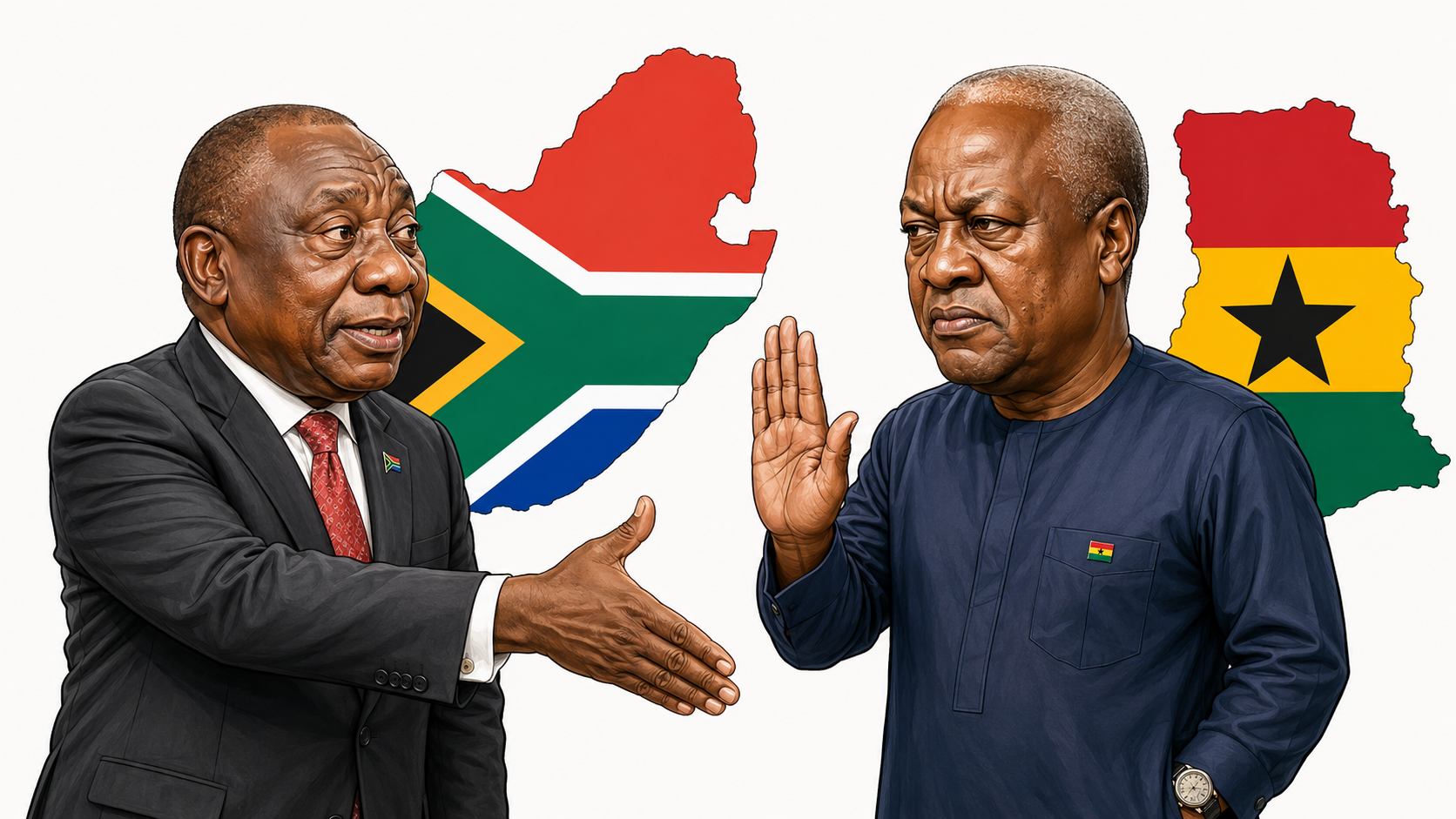
Reports that the Government of Ghana declined a proposed state visit by South African President Cyril Ramaphosa have raised an important national question. At the centre of the matter is not only diplomacy, but the safety, dignity and future of Ghanaians living in South Africa.
According to the report, the proposed visit was declined because of growing concerns over recent xenophobic attacks in South Africa, including attacks that have affected Ghanaian nationals. The report further claims that about 1,000 Ghanaians have been repatriated, with hundreds more registered to return home. It also refers to the death of a Ghanaian, although South African officials are said to dispute Ghana’s account of the circumstances surrounding that death.
Because the matter is sensitive and the full facts are still not entirely clear, it is important to speak with care. If the report is true, then Ghana’s concern for the safety of its citizens abroad is understandable. No responsible government should treat the lives of its citizens lightly. Ghanaians in South Africa deserve protection, respect and justice, just as South Africans in Ghana deserve the same.
However, even in moments of tension, diplomacy must not be abandoned. In fact, it is during difficult moments that diplomacy becomes most necessary.
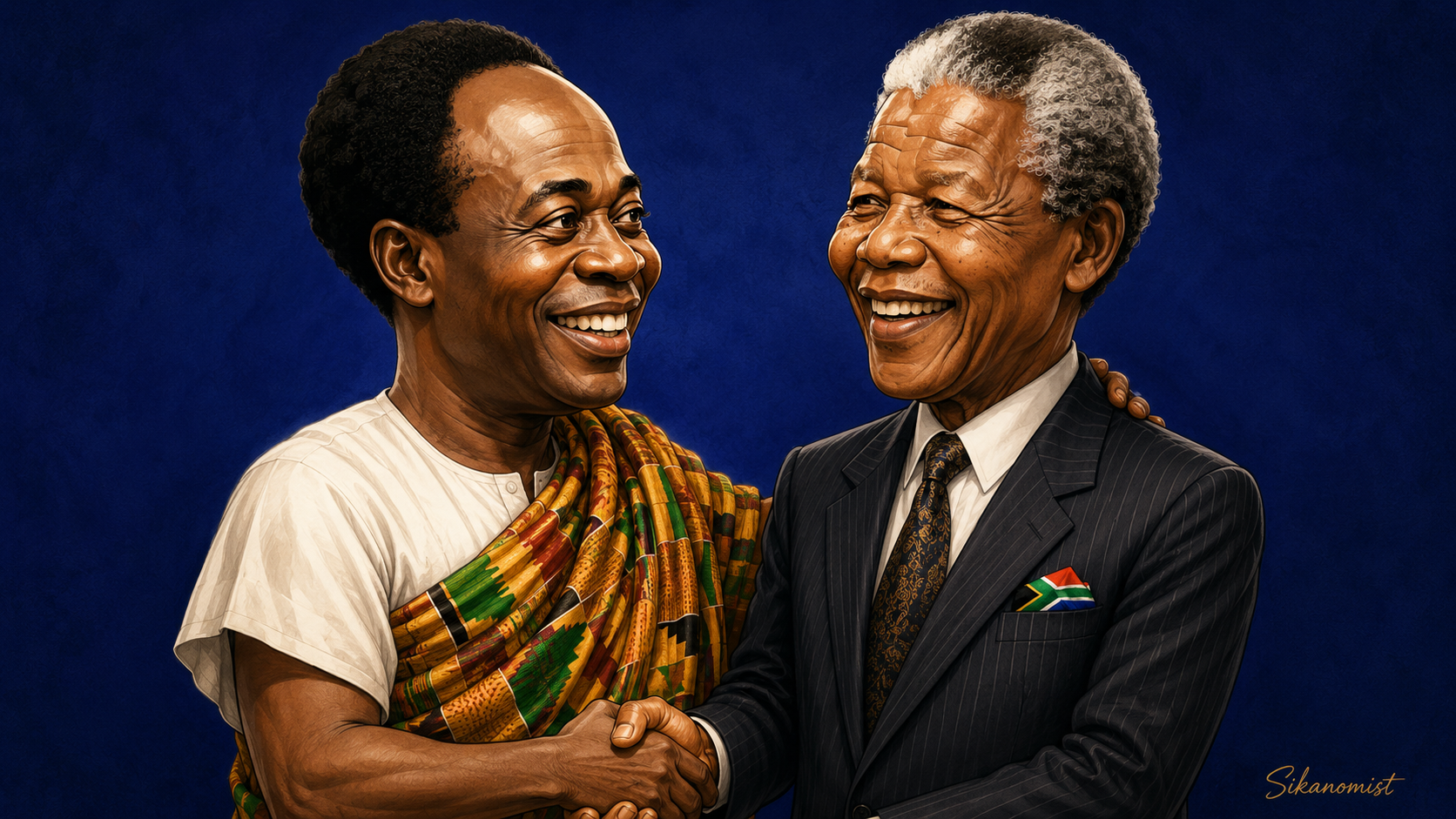
Ghana and South Africa are two of Africa’s most important countries. Both nations carry historical weight, economic influence and continental responsibility. Ghana represents one of the great voices of Pan-Africanism. South Africa represents one of the great struggles against apartheid and racial injustice. These two countries should not allow violence, misunderstanding or economic disagreement to weaken a relationship that ought to serve the greater African good.
If President Ramaphosa truly requested to visit Ghana, the Government of Ghana could have allowed the visit while making Ghana’s concerns clear, firm and public. A state visit does not mean silence. A diplomatic welcome does not mean surrender. Ghana could have used the occasion to speak directly to South Africa’s leadership about the protection of Ghanaians and other African migrants.
Such a visit could also have allowed Ghanaians to express their feelings peacefully. In a democracy, citizens must be allowed to demonstrate within the law. If many Ghanaians are angry about attacks on their fellow citizens in South Africa, their voices should not be hidden. Their pain should be heard. A peaceful demonstration during the visit would have sent a powerful message: Ghana respects diplomacy, but Ghana will not ignore the suffering of its people.
This approach would have shown maturity. It would have told South Africa that Ghana remains a friend, but not a silent friend. It would have told the world that Ghana believes in dialogue, but also in justice. It would have told Ghanaians abroad that their country sees them, hears them and will defend their dignity.
There is also the economic side of the matter. Reports suggest that a South African mining company operating in Ghana may have its lease expiring and may be seeking renewal. It has also been suggested that Ghana may prefer Ghanaian mining companies to take over certain mining interests. If this is part of the background to the proposed visit, then Ghana still had an opportunity to be clear and firm.
The Government of Ghana could have received the South African President and politely made its position known. Ghana could have said that while South African investment has played a role in the country, there comes a time when Ghanaian companies must be given a stronger chance to own, manage and benefit from Ghana’s natural resources. That is not hostility. That is national development.
A country that owns gold, manganese, bauxite, lithium and other valuable resources must gradually build the capacity of its own citizens and companies to participate meaningfully in the mining sector. Foreign investment is welcome, but Ghana cannot remain forever in a position where others take the lead while Ghanaians watch from the side. If a lease has expired and Ghana believes a Ghanaian companies can now take over, that position should be defended with confidence.
But even such a disagreement should be handled through diplomacy. Ghana can say no to a mining renewal without closing the door to South Africa. Ghana can protect its resources while still protecting friendship. Ghana can prioritise Ghanaian companies while still respecting foreign partners. Mature diplomacy is not about giving everybody what they want. It is about disagreeing without destroying the relationship.
The bigger issue is the safety of African citizens across Africa. It is painful that in a continent which speaks proudly about unity, African migrants are sometimes attacked in another African country. Xenophobia is not only a South African problem. It is a warning to the whole continent. It shows how unemployment, poverty, weak public services and political frustration can be wrongly redirected against foreigners.
South Africa must do more to protect African migrants within its borders. No Ghanaian, Nigerian, Zimbabwean, Malawian, Congolese or any other African should be hunted, insulted or attacked simply because they are trying to survive in another African country. At the same time, African governments must work together to reduce the economic pressures that push their citizens to migrate in desperation.
Ghana also has a duty to protect South Africans in Ghana. If Ghana demands that Ghanaians must be safe in South Africa, then Ghana must also guarantee the safety of South Africans who live, work or invest here. Justice cannot be one-sided. The principle must be simple: protect our citizens abroad, and protect foreign nationals at home.
That is why diplomacy matters. A state visit could have become a platform for a new Ghana–South Africa understanding. The two governments could have announced stronger protections for citizens, better consular support, faster investigation of attacks, and a joint mechanism to address migration-related tensions. They could also have discussed trade, mining, investment, youth employment and the future of African cooperation.
Africa needs Ghana and South Africa to work together, not drift apart. The continent already has too many divisions: Anglophone and Francophone, north and south, rich and poor, migrant and local. The task of leadership is not to deepen these divisions, but to reduce them.
If Ghana declined the visit because it feared a hostile reception, that concern is not without reason. Public anger can become difficult to manage. But leadership is not only about avoiding tension. It is also about guiding national emotion towards constructive action. The anger of citizens can be respected without allowing it to become lawless. A peaceful protest, strong diplomatic words and a firm government position could have achieved more than silence or distance.
Ghana must always protect its citizens. That principle is non-negotiable. But Ghana must also remember its historic role as a country of Pan-African leadership. We cannot speak of African unity only when times are easy. We must practise it when emotions are high, when misunderstandings are deep and when hard conversations must be held.
The Government of Ghana should demand clear assurances from South Africa. It should insist on justice for affected Ghanaians. It should ask for concrete measures to prevent further attacks. It should also make it clear that Ghanaian economic interests, including mining opportunities for Ghanaian companies, must be respected.
But Ghana should also keep the diplomatic door open.
If President Ramaphosa’s visit was truly requested, Ghana could have turned it into a moment of truth: a moment to welcome him respectfully, allow Ghanaians to speak peacefully, and tell South Africa face to face that friendship must come with responsibility.
Africa does not need more diplomatic coldness. Africa needs honest conversations between nations that respect each other. Ghana and South Africa must protect each other’s citizens, strengthen fair economic cooperation and show the continent that disagreement can be handled with wisdom.
The lesson is simple: Ghana must be firm, but not closed. South Africa must listen, but not become defensive. Both nations must rise above anger and use diplomacy to build a safer, fairer and more united Africa.
Readers question:
Should Ghana have allowed the South African President’s visit and used the occasion to speak firmly, or was declining the visit the right diplomatic message?