Why Traditional Festivals Still Matter in Modern Ghana
From Akwasidae to Homowo, Ghana’s traditional festivals continue to preserve history, strengthen communities, support local economies, and keep cultural identity alive in a rapidly changing world.
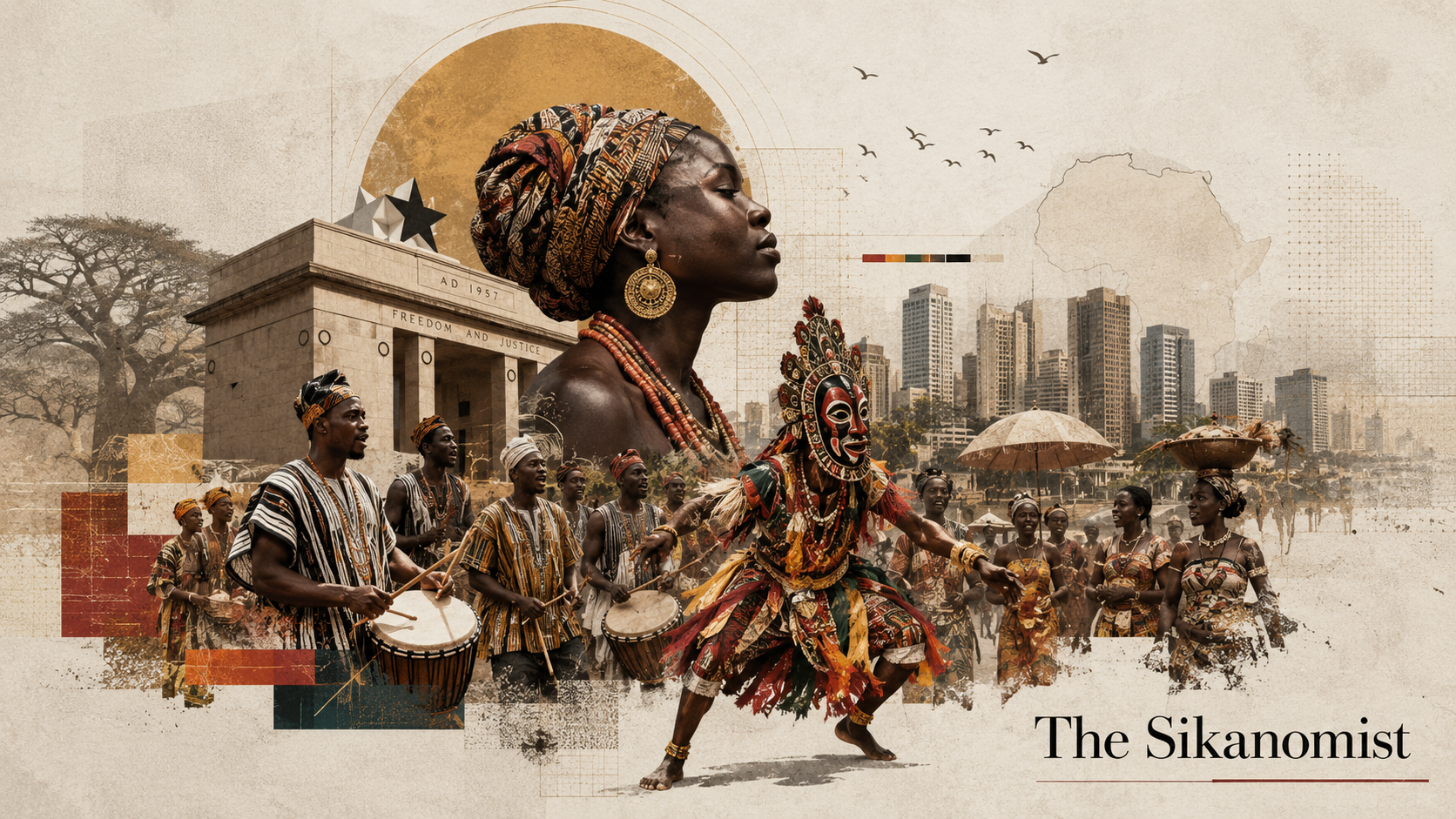
Ghana is changing rapidly. Cities are expanding, technology is transforming daily life, and younger generations are increasingly connected to the wider world. Yet amid all this change, traditional festivals continue to attract thousands of people every year.
From Akwasidae in Ashanti to Homowo in Greater Accra, Hogbetsotso in the Volta Region, Damba in Northern Ghana, and Kundum in the Western Region, these celebrations remain some of the most important events in Ghanaian society.
The question is simple: why do these festivals still matter in the twenty-first century?
A Living Connection to History
Many Ghanaians know their ethnic identity, but festivals help communities remember the stories behind that identity.
Every festival carries memories of migration, struggle, victory, survival, and community achievement. Through traditional ceremonies, music, drumming, dancing, and storytelling, younger generations learn where they come from and how their ancestors shaped the present.
Without these traditions, much of Ghana's cultural history could gradually disappear.
Strengthening Community Bonds
Modern life can be isolating. People move away from their hometowns for education and work. Families become scattered across the country and abroad.
Festivals provide a rare opportunity for people to return home, reconnect with relatives, old friends, and community leaders.
For many communities, festivals are not only celebrations but also family reunions that strengthen social ties and a sense of belonging.
Supporting Local Economies
Traditional festivals are also economic events.
Hotels fill with visitors. Restaurants receive more customers. Transport operators carry travelers from cities to towns and villages. Traders sell food, clothing, crafts, and souvenirs.
A successful festival can inject significant income into a local economy within a few days.
For many small businesses, festival periods are among the busiest and most profitable times of the year.
Promoting Ghana to the World
Ghana's cultural heritage is one of its greatest assets.
Traditional festivals attract tourists, researchers, photographers, and members of the Ghanaian diaspora. They offer visitors an authentic experience of Ghanaian culture that cannot be replicated elsewhere.
In a competitive global tourism market, festivals help distinguish Ghana from other destinations.
Preserving Identity in a Global Age
Globalization brings many opportunities, but it can also create pressure for cultures to become more alike.
Traditional festivals remind Ghanaians that modernization does not require abandoning cultural identity.
A society can embrace technology, innovation, and economic growth while still preserving its customs, languages, and traditions.
Looking Ahead
Traditional festivals are more than colourful celebrations. They are institutions that preserve history, strengthen communities, support local economies, and promote Ghana's cultural identity.
As Ghana continues to modernize, the challenge is not whether festivals should survive, but how they can evolve while remaining true to their cultural roots.
The future of Ghana will be shaped not only by what the country builds, but also by what it chooses to remember.
The Sikanomist
Economics • Politics • Culture • Ideas