The Cost of Short-Term Thinking
Why Great Nations Think Beyond the Next Election, the Next Quarter, and the Next Crisis.
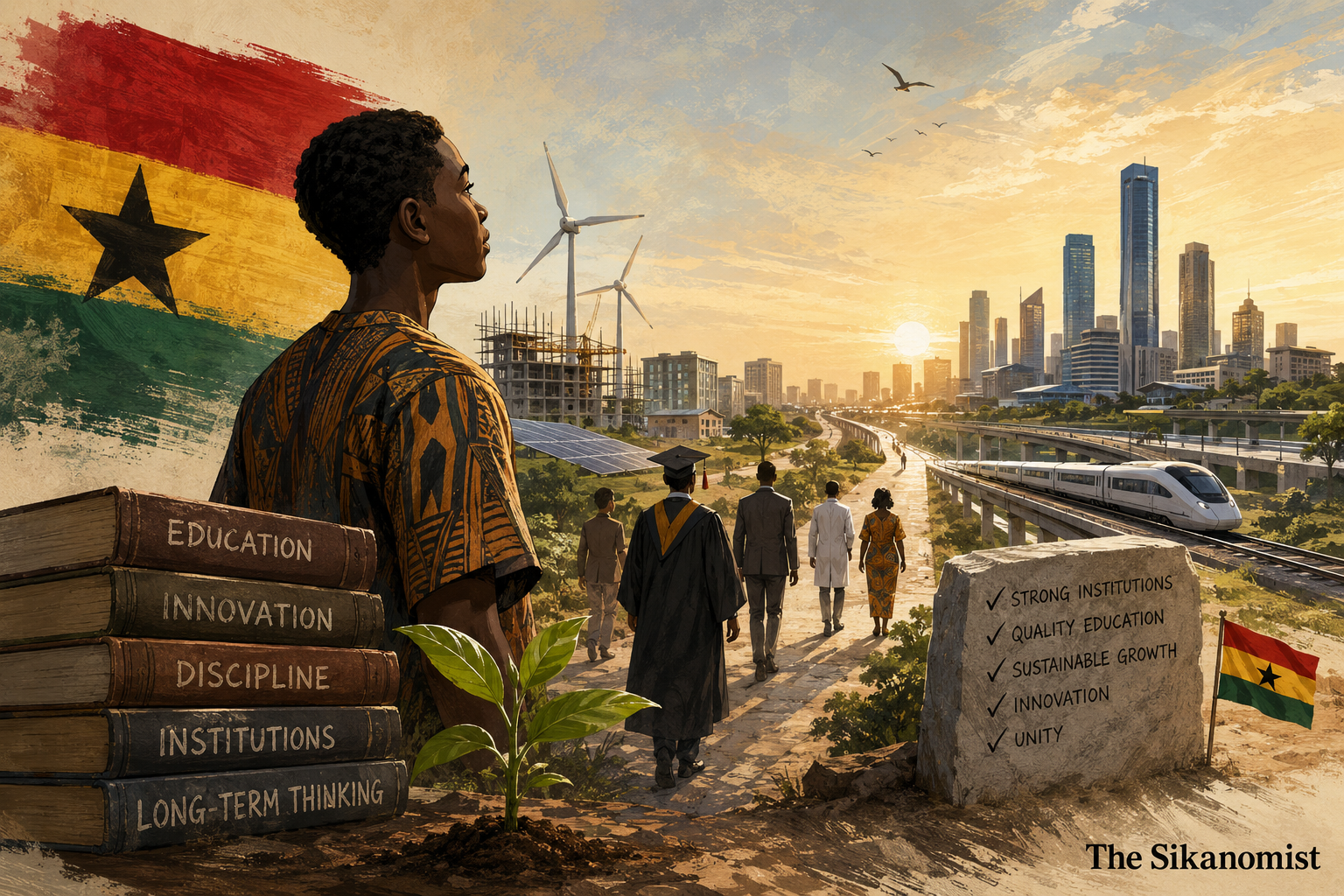
Every society faces a choice. It can focus on today's problems alone, or it can solve today's problems while preparing for tomorrow.
The difference between successful nations and struggling nations is often not intelligence, natural resources, or even money. It is the ability to think long-term.
Singapore did not become prosperous overnight. South Korea did not become a technological powerhouse in a decade. Rwanda's transformation did not happen by accident.
Leaders, businesses, and citizens in these countries made decisions whose benefits would only be seen years later. They invested in education before seeing a skilled workforce. They built infrastructure before industries arrived. They strengthened institutions before crises emerged. They planted trees whose shade they might never sit under.
In many developing countries, however, short-term thinking remains a major challenge. Politicians often focus on projects that produce immediate applause rather than long-term impact. Businesses sometimes prioritize quick profits over sustainable growth.
Citizens may demand instant solutions to problems that require patience and planning. The result is a cycle of temporary fixes. Roads are repaired but not maintained. Policies are introduced but not sustained. Programs change whenever governments change. Plans are announced but rarely completed.
Ghana is not immune to this challenges yet there are encouraging signs across the country, entrepreneurs are building businesses designed to last generations. Universities continue to produce talented young people. Technology startups are emerging. Infrastructure continues to expand. Many young Ghanaians are beginning to think globally while remaining rooted in local realities.
The question is whether the nation can deepen this culture of long-term thinking.
What if every major project were evaluated not only for its immediate benefits but also for its impact twenty years from now?
What if political debates focused more on future competitiveness than daily controversies?
What if families invested as much energy in education, savings, and entrepreneurship as they do in consumption?
The future is not something that simply arrives. It is something that is built. The countries that thrive in the coming decades will not necessarily be the richest today but they will be the ones that consistently make decisions with tomorrow in mind because the future belongs to those who prepare for it long before it arrives and for Ghana, the challenge is clear: Can we become a nation that thinks beyond the next election, the next budget, and the next crisis?
Reader Question:
What is one decision Ghana can make today that would have the greatest positive impact twenty years from now?