The Hidden Power of Local Manufacturing: Why Making More in Ghana Matters
From food processing to furniture and textiles, producing more goods in Ghana could strengthen the economy, create jobs, and build long-term prosperity.
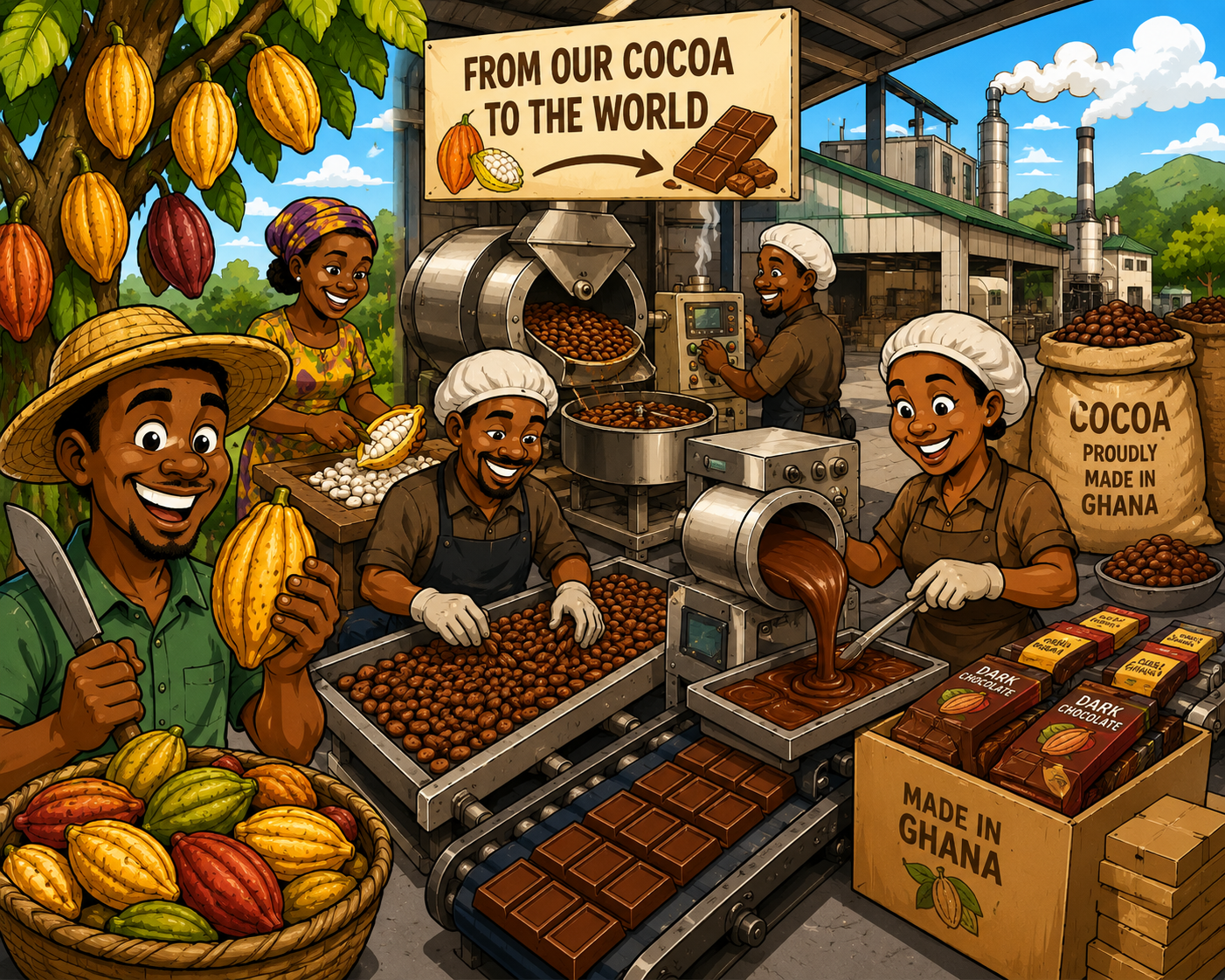
When people think about a strong economy, they often picture towering office buildings, busy financial centres or the latest technology. Yet one of the most reliable signs of a prosperous nation is something much simpler: its ability to make the goods its people use every day. Whether it is processed food, clothing, furniture, medicines or household products, manufacturing has long been a foundation of economic growth around the world. For Ghana, expanding local manufacturing could become one of the country's greatest opportunities over the coming decades.
Ghana has no shortage of natural resources or entrepreneurial talent. The country produces cocoa, cashew, shea nuts, timber, gold and many agricultural products that are recognised around the world. Too often, however, these resources leave the country with little or no processing before returning as finished products at much higher prices. This means that much of the value, employment and industrial expertise is created elsewhere rather than within Ghana.
Local manufacturing changes this picture. Instead of exporting raw cocoa beans alone, Ghana can produce more chocolate and other cocoa-based products. Instead of exporting timber mainly in its raw form, more furniture and high-quality wood products can be manufactured locally. Agricultural produce can be processed into packaged foods with longer shelf lives, reducing waste while creating products that can be sold both at home and abroad. Every additional stage of production creates new opportunities for businesses, workers and investors.
The benefits extend well beyond factories themselves. Manufacturing creates demand for transport companies, packaging firms, engineers, designers, accountants, software developers and maintenance specialists. It encourages universities and technical institutions to develop practical skills that match the needs of industry. In turn, these stronger connections between education and business help prepare young people for rewarding careers while supporting innovation across the economy.
One of Ghana's greatest advantages is its youthful population. Every year, thousands of young men and women complete secondary school, technical training or university. Many are ambitious, creative and eager to contribute to the country's development. A growing manufacturing sector can provide a wider range of skilled jobs while encouraging entrepreneurship in areas such as machinery maintenance, logistics, product design and quality control. Rather than relying heavily on imported goods, more young people could help create products proudly made in Ghana.
Manufacturing can also strengthen economic resilience. Countries that produce a broader range of essential goods are often better prepared when global supply chains are disrupted by conflicts, natural disasters or economic shocks. Ghana experienced some of these challenges in recent years, when rising global prices affected the cost of imported products. Producing more goods locally cannot eliminate every external pressure, but it can reduce dependence on imports and provide greater stability over time.
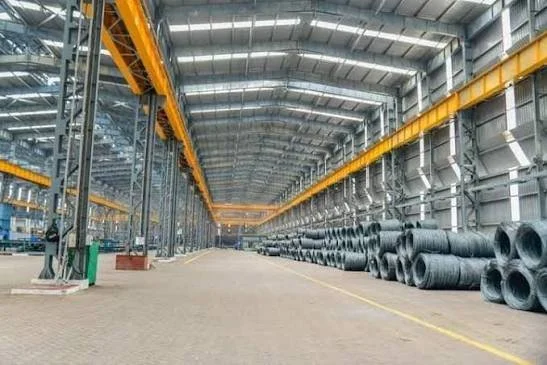
This does not mean that Ghana should aim to manufacture everything. Modern economies thrive through trade, and imports will always play an important role. The goal is not self-sufficiency at all costs but greater balance. Ghana should focus on industries where it has clear advantages, such as agro-processing, pharmaceuticals, building materials, textiles, furniture and light manufacturing. By building competitive industries in these areas, the country can increase exports while meeting more domestic demand.
Achieving this vision will require sustained commitment. Reliable electricity, efficient transport networks, access to affordable finance and consistent government policies remain essential. Businesses also need confidence that regulations will be predictable and that investments made today will be supported over many years. Public and private sector collaboration will therefore be vital in creating an environment where manufacturers can compete successfully both within Africa and on the global stage.
Consumers also have an important part to play. Supporting well-made Ghanaian products helps local businesses grow, encourages higher quality standards and keeps more money circulating within the national economy. Choosing locally manufactured goods where they offer good value is not simply a patriotic gesture; it is an investment in jobs, skills and future opportunities.
The future of Ghana's economy will not depend on a single industry or one major project. It will be shaped by thousands of businesses, millions of workers and countless everyday decisions. Every factory that opens, every product that is improved and every entrepreneur who adds value to Ghana's resources contributes to a stronger and more diversified economy. Manufacturing may not always attract dramatic headlines, but its long-term impact can transform nations.
As Ghana continues its journey towards higher levels of development, making more products within its own borders represents more than an economic ambition. It is an opportunity to create lasting prosperity, strengthen resilience and build an economy where more of the country's wealth is generated by the creativity, skill and determination of its own people.
Reader Reflection
If Ghana produced more of the goods we use every day, how could that change opportunities for businesses, workers and future generations?