Building the Future with the Past: Ibrahim Mahama's Art Speaks Beyond Borders
Artists: Ibrahim Mahama
How one Ghanaian artist is transforming reclaimed history into a global conversation about memory, identity, and the future.
On 12 June 2026, one of Ghana's most celebrated contemporary artists, Ibrahim Mahama, unveiled a remarkable new public artwork in Denmark. The installation, titled Labyrinths, now stands outside the Museum of Art in Public Space (MAPS) in the town of Køge, inviting visitors to reflect on history, community, and the possibilities of the future.
What makes this artwork extraordinary is not only its scale but also the materials from which it is built. Mahama created Labyrinths using reclaimed bricks taken from several historic Danish buildings, including Fredensborg Castle, Our Lady's Abbey, Vestre Prison, the Natural History Museum of Denmark, and even the museum building itself. These bricks once formed part of places associated with monarchy, religion, justice, education, and public life. Instead of allowing these materials to disappear into history, Mahama has given them a new purpose.
For Ibrahim Mahama, materials are never merely objects. Every brick, sack, railway track, or wooden board carries a story. They reflect the lives of the people who made them, used them, and lived alongside them. Through his art, Mahama reminds us that ordinary materials can become extraordinary records of human experience.
This philosophy has become one of the defining characteristics of his work. International audiences know him for creating monumental installations using reclaimed objects such as jute sacks, shoeshine boxes, railway tracks, train carriages, and blackboards. These materials tell stories of labour, migration, trade, colonial history, and economic transformation—subjects that continue to shape societies across Africa and the wider world.
The installation in Denmark also became a community project. More than one thousand children and young people from Køge Municipality participated in workshops inspired by Mahama's ideas. They were encouraged to think about memory, identity, and the objects that matter in their own lives. Many left personal marks on the reclaimed bricks, allowing their own stories to become part of the artwork itself.
In doing so, Labyrinths became more than an exhibition. It became a conversation between generations. It connected historical buildings with modern communities, local experiences with global ideas, and individual memories with a shared future.
The project also launches Tomorrow's Public Art, a new initiative by MAPS that will invite leading international artists to create public artworks each year. The programme aims to explore how art can transform public spaces into places where communities imagine new possibilities for society.
For Ghana, Mahama's achievement is a reminder that our artists are increasingly contributing to conversations that reach far beyond national borders. Ghanaian creativity is no longer confined to galleries in Accra or Kumasi. It is shaping cultural landscapes across Europe, North America, Asia, and beyond.
His success also highlights an important lesson about culture itself. Progress does not always require abandoning the past. Sometimes the future is built by understanding, preserving, and creatively reimagining what has already come before. Old materials can tell new stories. Forgotten objects can inspire fresh ideas. History can become a foundation for innovation rather than simply a record of what has been lost.
In an age when many societies are rapidly changing, Mahama's work reminds us that culture is not static. It evolves through imagination. It grows when communities participate. It becomes stronger when people find new ways to honour memory while creating something entirely original.
As Ghana continues to develop its own museums, cultural institutions, and public spaces, projects such as Labyrinths demonstrate how art can do more than decorate cities. It can encourage reflection, strengthen identity, bring communities together, and inspire future generations to see familiar objects—and familiar stories—in completely new ways.
Ibrahim Mahama's latest work is therefore not only a landmark in Denmark. It is also another milestone in the growing global influence of Ghanaian culture.
Reader Question
If an artwork could be created from materials that tell Ghana's story, what objects would you choose, and what story should they tell future generations?
Image 01
brahim Mahama's artwork transforms reclaimed bricks into a powerful symbol of memory, history, and renewal. By arranging materials salvaged from historic buildings into a monumental sculptural form, the installation invites viewers to reflect on how the past can shape the future. It demonstrates that ordinary objects carry extraordinary stories, reminding us that culture, identity, and human experience can be preserved, reimagined, and passed on to future generations through art.
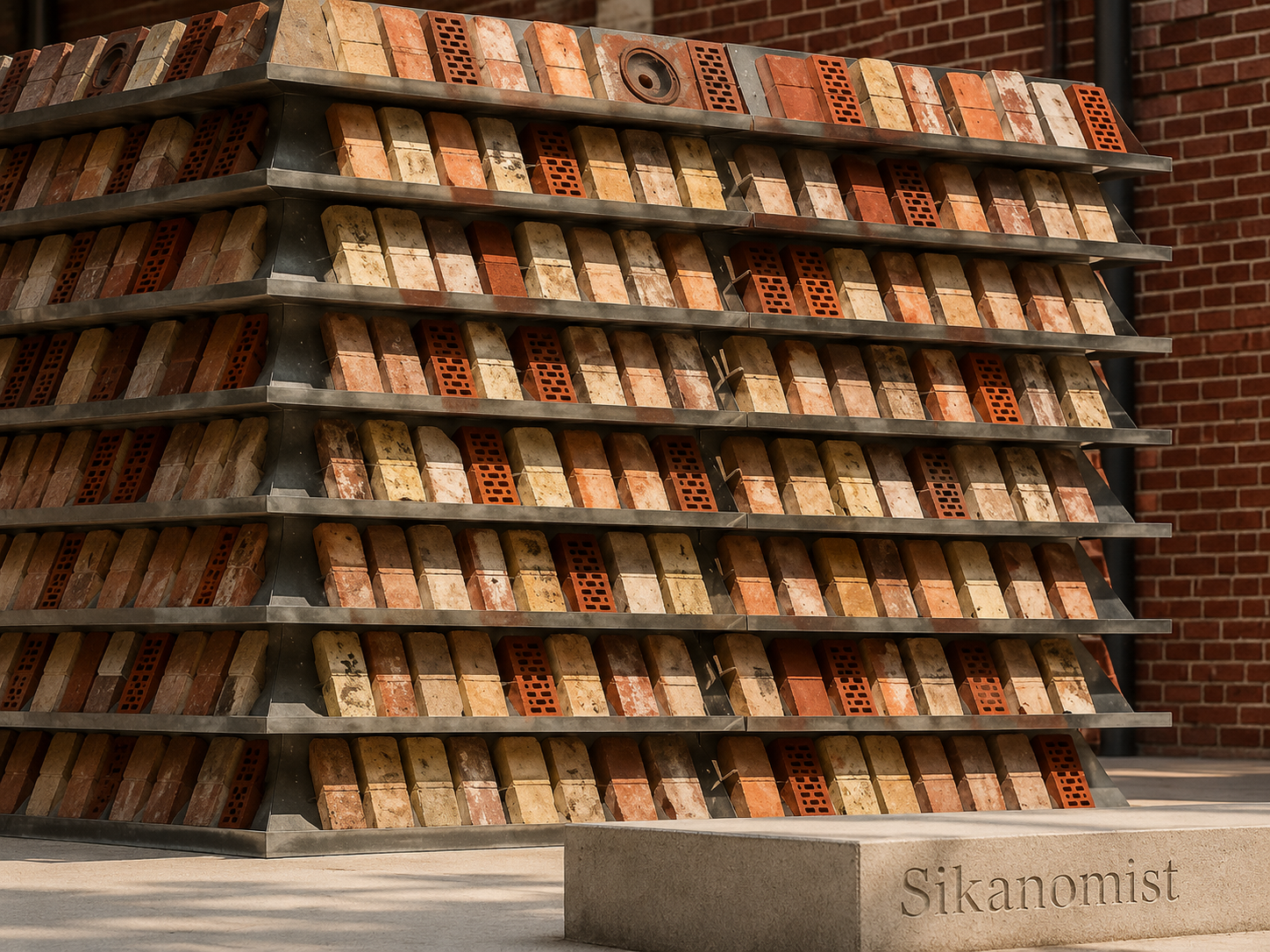
Image 02
This close-up detail of Ibrahim Mahama's artwork highlights a reclaimed brick marked by the touch and memories of those who have interacted with it. The image symbolises how ordinary materials can preserve personal histories and collective identity, reminding us that every object carries a story. Through this simple yet powerful gesture, Mahama invites us to reflect on memory, community, and the importance of preserving the past while inspiring future generations.
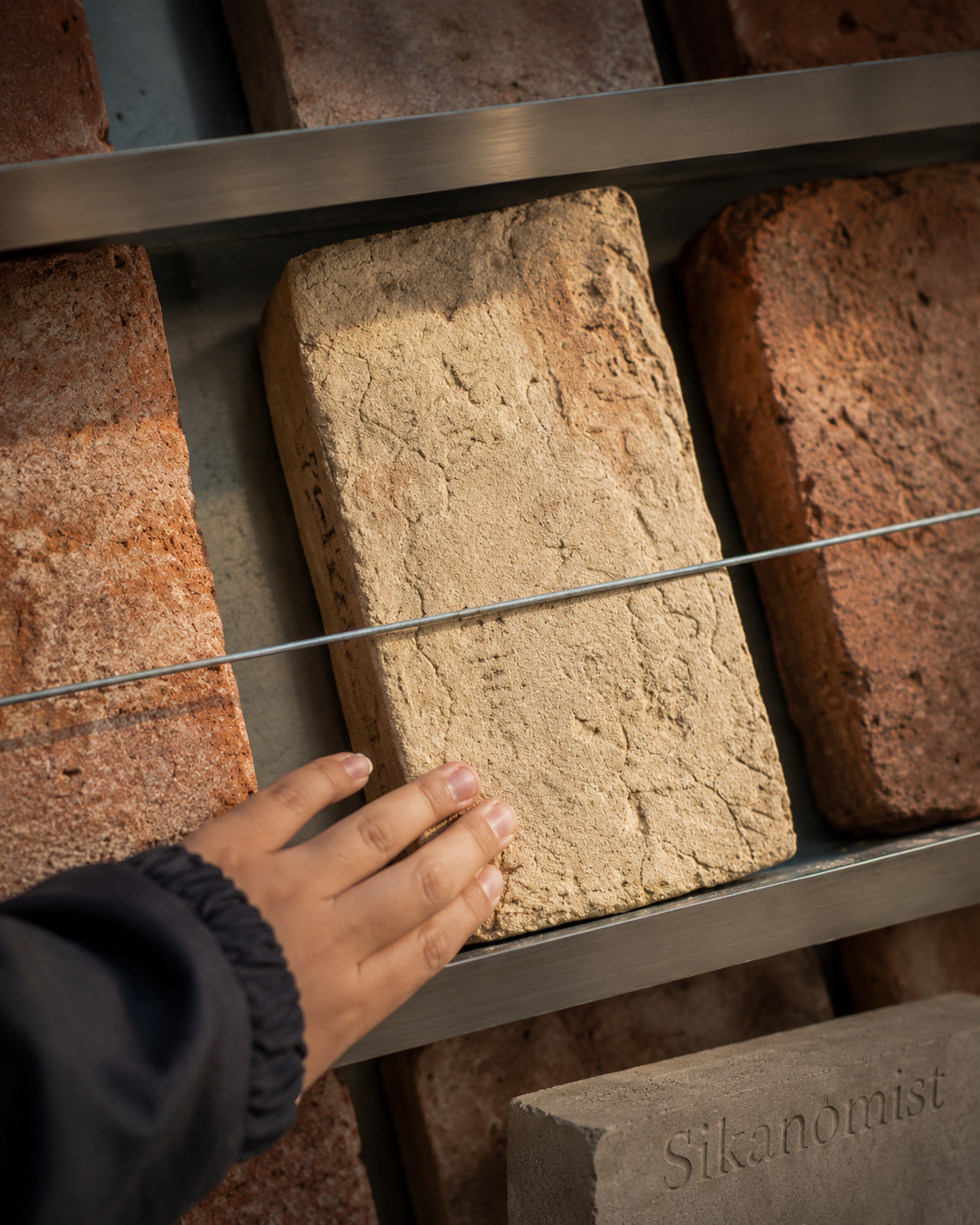
Image 03
This close-up of Ibrahim Mahama's Labyrinths reveals the beauty and significance of reclaimed bricks arranged in a striking architectural composition. Each weathered brick represents a fragment of history, carrying the marks of time, labour, and human experience. Together, they form a powerful reminder that the materials of the past can be reimagined into works of art that preserve memory, celebrate culture, and inspire future generations.
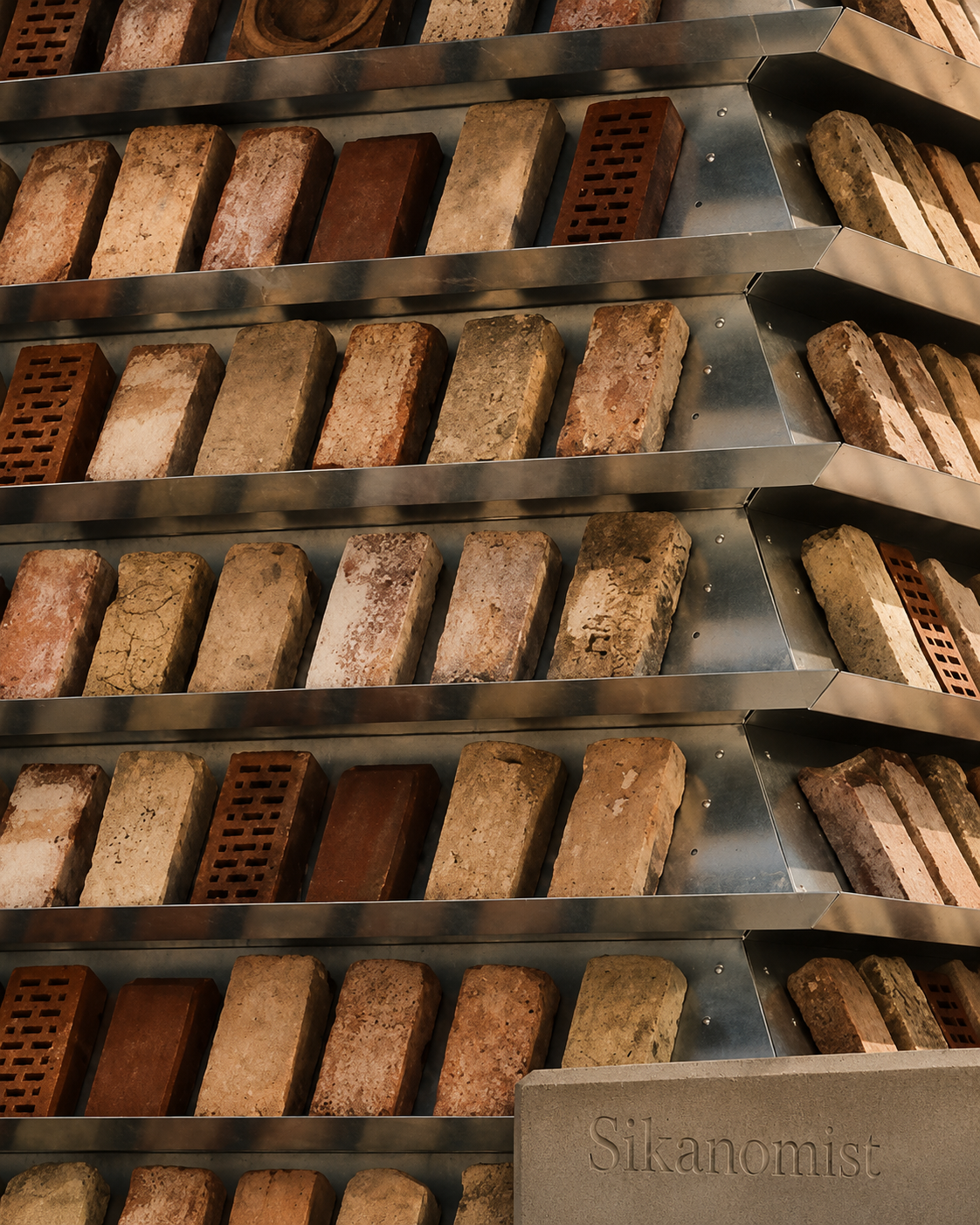
Image 04
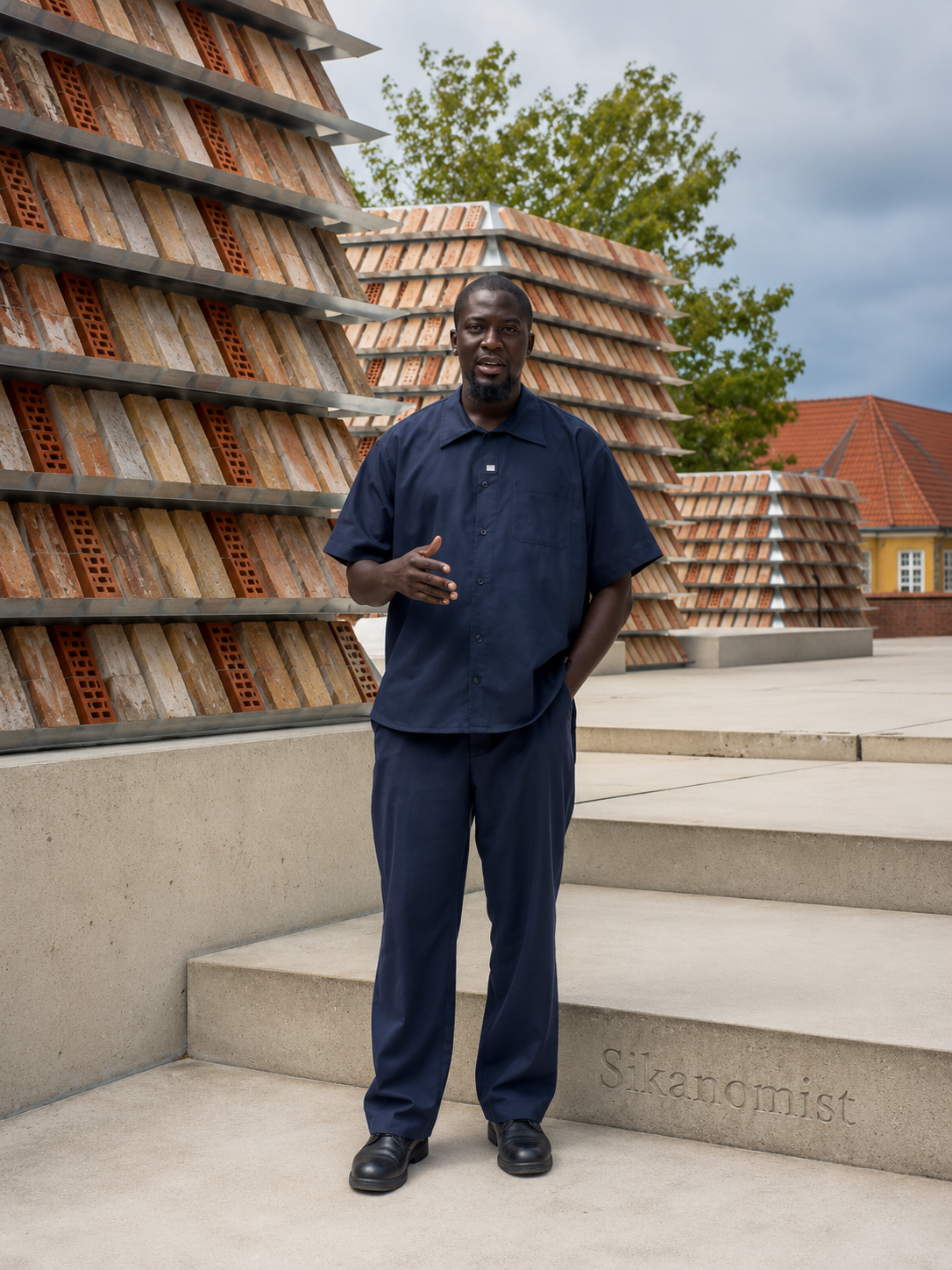
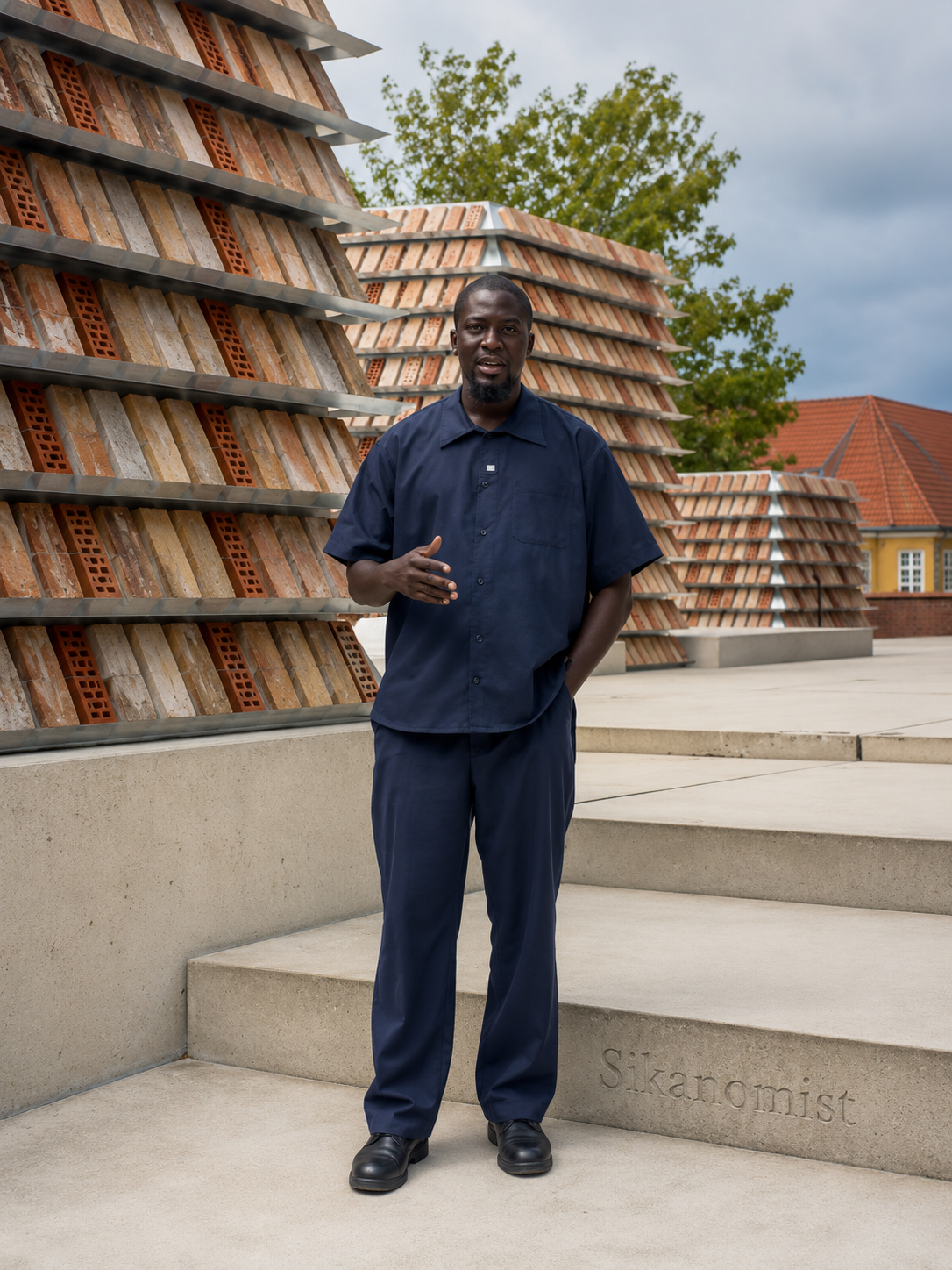
This photograph captures Ghanaian artist Ibrahim Mahama standing alongside his monumental installation, Labyrinths, a work that transforms reclaimed bricks into a powerful reflection on history, memory, and identity. By giving new life to materials from historic buildings, Mahama demonstrates how art can preserve the past while inspiring fresh conversations about community, culture, and the future, showing that even the simplest materials can carry profound human stories.