The Cost of Short-Term Thinking
Why Great Nations Think Beyond the Next Election, the Next Quarter, and the Next Crisis
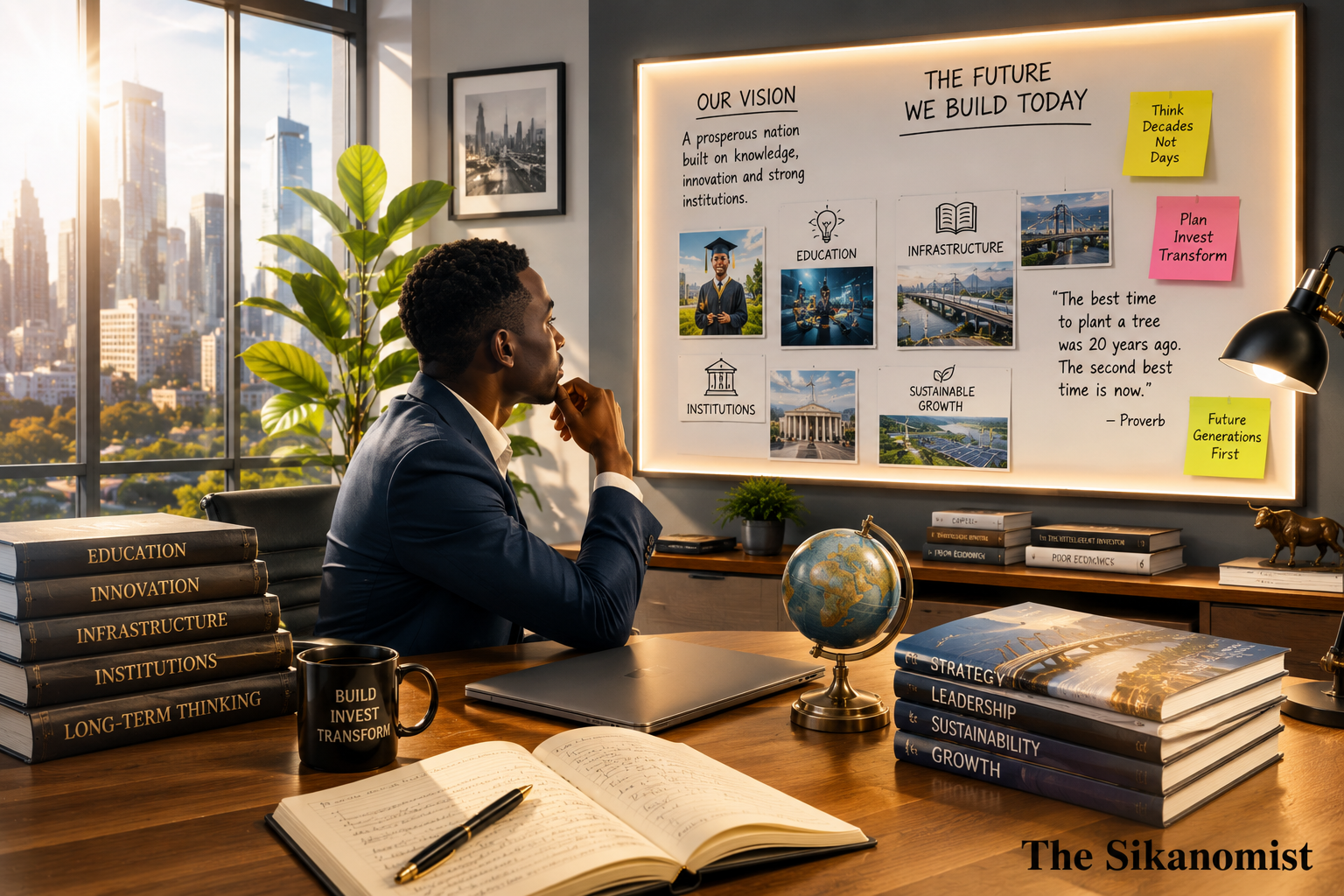
The future is built long before it arrives.
Every road, school, business, institution, and thriving city that exists today was once an idea in the mind of someone who was willing to think beyond the present moment. The nations that have transformed themselves from poverty to prosperity did not do so through luck alone. They succeeded because they cultivated a culture of long-term thinking—a willingness to make sacrifices today in order to create a better tomorrow.
This may sound obvious, yet throughout history one of humanity's greatest challenges has been the temptation to prioritise immediate rewards over lasting progress. Individuals seek quick gains, businesses chase short-term profits, and politicians often focus on policies that deliver immediate popularity rather than enduring benefits. The result is a world where many societies remain trapped in cycles of reaction rather than preparation.
The cost of short-term thinking is rarely visible at first. In fact, it can often feel rewarding. A government may postpone difficult reforms to avoid public criticism. A company may neglect investment in innovation to boost current profits. A family may consume everything it earns rather than saving for the future. In each case, the immediate outcome appears positive. The hidden costs, however, emerge years later.
History provides countless examples of countries that prospered because they were willing to think decades ahead. Singapore, which gained independence in 1965 with few natural resources, focused relentlessly on education, public institutions, infrastructure, and long-term economic planning. South Korea invested heavily in human capital, technology, and industrial development despite immense challenges following the Korean War. Today, both countries are recognised among the world's most successful economies.
Their achievements were not the result of perfect policies or flawless leadership. Rather, they reflected a consistent commitment to preparing for the future. Leaders understood that meaningful progress often requires patience. Citizens accepted that development is a long journey rather than a quick destination.
The same lesson applies to Ghana.
For much of its post-independence history, Ghana has been admired for its political stability, democratic traditions, and entrepreneurial spirit. The country possesses significant natural resources, a youthful population, and a strategic location within West Africa. Yet despite these advantages, many of the challenges confronting Ghana today have roots in decisions made years or even decades ago.
The quality of education, the strength of institutions, the condition of infrastructure, and the competitiveness of industries are not determined overnight. They are the result of long-term choices accumulated over generations. Every nation eventually lives with the consequences of its past decisions.
This is why discussions about development should extend beyond the next election cycle. Political competition is an essential feature of democracy, but national progress depends on continuity. Roads require maintenance long after ribbon-cutting ceremonies have ended. Educational reforms need years before their benefits appear in the workforce. Investments in science, technology, and innovation may take decades to transform an economy.
Countries that consistently change direction every few years often struggle to achieve sustained development. By contrast, nations that maintain a broad consensus around key national priorities tend to make steady progress regardless of which political party happens to be in power.
Long-term thinking is not only a responsibility for governments. Businesses also play a crucial role.
Many of the world's most successful companies invest heavily in research, training, and innovation despite the costs involved. They understand that future competitiveness depends on actions taken today. The same principle applies to entrepreneurs and small businesses across Ghana. While short-term survival is often necessary, sustainable growth requires planning, investment, and a willingness to think beyond immediate returns.
Families face similar choices. Parents who prioritise education, discipline, and financial planning are effectively making long-term investments in future generations. The benefits may not appear immediately, but they often shape opportunities for decades to come.
Perhaps the most important area where long-term thinking matters is institution-building.
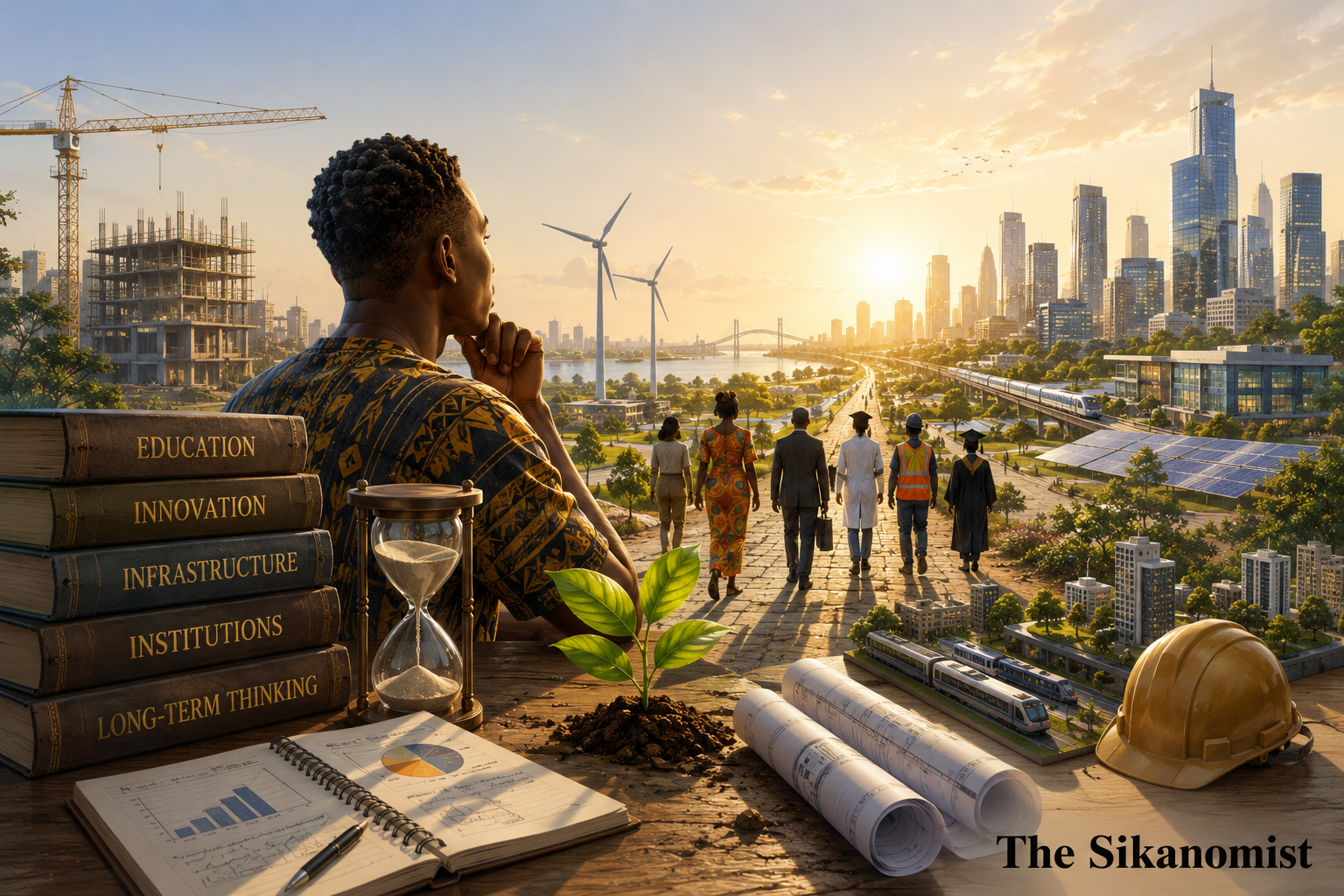
Strong institutions create stability and predictability. They enable businesses to invest with confidence, encourage citizens to trust public systems, and provide continuity during periods of political change. While infrastructure projects are visible and often attract attention, institutions are the invisible foundations upon which prosperous societies are built.
Around the world, countries with strong institutions tend to enjoy higher levels of economic growth, better public services, and greater resilience during crises. Institutions may not generate headlines, but they often determine whether a nation's progress endures.
Fortunately, there are reasons for optimism.
Across Ghana, young entrepreneurs are creating innovative businesses. Technology hubs are emerging. Universities continue to produce talented graduates. New opportunities are being created through digital transformation, regional trade, and expanding global connections. A generation of ambitious young people is increasingly thinking beyond traditional limitations.
These developments suggest that Ghana's future remains full of promise.
Yet potential alone is never enough. Every generation inherits opportunities and responsibilities. The challenge is not merely to dream about a better future but to build it deliberately. This requires leaders who prioritise national development over short-term political advantage, businesses that invest for the long term, and citizens who recognise that progress often demands patience and persistence.
The future belongs to those who prepare for it.
A nation that invests in education today creates a stronger workforce tomorrow. A nation that strengthens its institutions today creates greater stability tomorrow. A nation that embraces innovation today creates prosperity tomorrow.
The question facing Ghana—and indeed every nation—is therefore simple:
Are we making decisions for the next election, the next quarter, and the next crisis, or are we making decisions for the next generation?
The answer will shape not only the future we imagine but the future we ultimately create.
Reader Question
What is one decision Ghana could make today that would have the greatest positive impact twenty years from now?